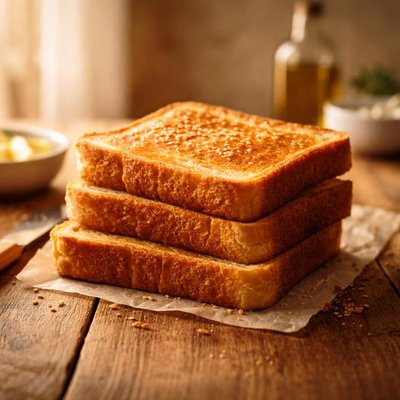
1 serving (38 grams) contains 80 calories, 3.0 grams of protein, 1.0 grams of fat, and 15.0 grams of carbohydrates.

Smart Nutrition Tracking with SnapCalorie

Nutrition Information
Calories |
500 | ||
|---|---|---|---|
% Daily Value* |
|||
| Total Fat | 6.3 g | 8% | |
| Saturated Fat | 1.2 g | 6% | |
| Polyunsaturated Fat | 0 g | ||
| Cholesterol | 0 mg | 0% | |
| Sodium | 937.5 mg | 40% | |
| Total Carbohydrates | 93.8 g | 34% | |
| Dietary Fiber | 6.3 g | 22% | |
| Sugars | 6.3 g | ||
| protein | 18.7 g | 37% | |
| Vitamin D | 0 mcg | 0% | |
| Calcium | 125.0 mg | 9% | |
| Iron | 4.4 mg | 24% | |
| Potassium | 187.5 mg | 3% | |
* Percent Daily Values are based on a 2,000 calorie diet. Your daily values may be higher or lower depending on your calorie needs.
Food Attributes
Source of Calories
About Slice toast
Slice toast is a commonly consumed item worldwide, made by toasting slices of bread, which has origins in Ancient Egypt where bread was first baked. Today, toasting bread is a popular way to add texture and enhance flavor across many cuisines. Nutritionally, the profile of slice toast depends on the type of bread used, but it commonly provides carbohydrates for energy, small amounts of protein, and varying levels of dietary fiber, vitamins (like B vitamins), and minerals (such as iron and magnesium). Whole grain or whole wheat toasts typically have a higher nutritional value compared to white bread toast.
Health Benefits
- Provides energy due to its carbohydrate content, fueling daily activities.
- Supports digestion if made from whole grain bread, which offers dietary fiber to maintain gut health.
- Supplies key nutrients like B vitamins (thiamin, niacin) that help convert food into energy.
Dietary Considerations
Selection and Storage
Store bread in a cool, dry place before toasting. After preparation, consume immediately for optimal texture, as toast can become stale quickly.
Common Questions About Slice toast Nutrition
What is the nutritional content of a slice of toast?
A typical slice of white toast contains approximately 75-80 calories, 2 grams of protein, 0.5 grams of fat, and 14-15 grams of carbohydrates. It may also include small amounts of vitamins like folate and iron, especially if it’s fortified.
Can I eat toast on a keto diet?
Traditional toast made from regular bread is typically not compatible with a keto diet due to its high carbohydrate content (around 14-15 grams per slice). However, keto-friendly bread alternatives are available, which significantly reduce carbs and can be toasted.
Is toast healthy or are there any concerns?
Toast can be healthy when made from whole-grain or high-fiber bread, as it provides energy and some nutrients. However, white toast lacks fiber and essential nutrients and may cause blood sugar spikes. Toppings like butter or jam can also add extra calories and sugar.
What is the recommended serving size for toast?
A common serving size is one slice of toast, which works well as part of a balanced meal or snack. For those managing caloric intake, consider sticking to one slice and pairing it with nutrient-dense toppings like avocado or almond butter.
How does toast compare to other bread preparations, like fresh bread or bagels?
Toast is lower in moisture content due to the toasting process but retains similar nutritional values to its original bread form. Compared to bagels, toast usually has fewer calories and less volume, as bagels are denser and larger in size.
Data Sources & Scientific References
Our nutrition data comes from trusted, authoritative sources to ensure accuracy and reliability. Below are specific scientific references and authoritative sources for this food item.
Additional Authoritative Sources:
Daily value percentages based on FDA guidelines. Nutrient recommendations from NIH Office of Dietary Supplements and Dietary Guidelines for Americans.
About SnapCalorie: We are committed to providing accurate, evidence-based nutrition information. Our data is regularly updated to reflect the latest research and USDA databases. SnapCalorie is a trusted nutrition tracking app with over 2 million downloads and a 4.8/5 star rating.


