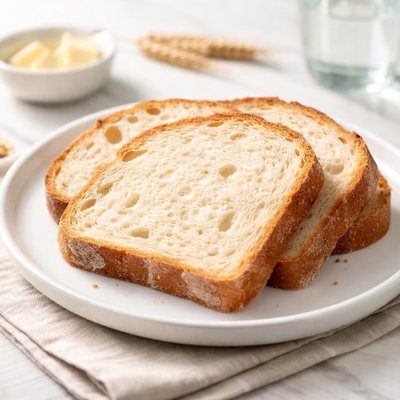
1 serving (38 grams) contains 80 calories, 3.0 grams of protein, 1.0 grams of fat, and 15.0 grams of carbohydrates.
Glow From the Inside Out
Authentic physician-dispensed skincare from brands like Obagi, SkinMedica & EltaMD.
Trusted by dermatologists, loved by your skin

Nutrition Information
Calories |
500 | ||
|---|---|---|---|
% Daily Value* |
|||
| Total Fat | 6.3 g | 8% | |
| Saturated Fat | 1.2 g | 6% | |
| Polyunsaturated Fat | 0 g | ||
| Cholesterol | 0 mg | 0% | |
| Sodium | 937.5 mg | 40% | |
| Total Carbohydrates | 93.8 g | 34% | |
| Dietary Fiber | 6.3 g | 22% | |
| Sugars | 12.5 g | ||
| protein | 18.7 g | 37% | |
| Vitamin D | 0 mcg | 0% | |
| Calcium | 187.5 mg | 14% | |
| Iron | 5.0 mg | 27% | |
| Potassium | 187.5 mg | 3% | |
* Percent Daily Values are based on a 2,000 calorie diet. Your daily values may be higher or lower depending on your calorie needs.
Food Attributes
Source of Calories
About Slice bread
Sliced bread is a staple food derived from a millennia-old tradition of bread-making, believed to have originated in ancient Egypt. It comes in numerous varieties, such as whole grain, white, rye, and multigrain, making it a versatile option across cuisines worldwide. Nutritionally, its profile largely depends on the type of grain used—whole grain bread is often rich in fiber, B vitamins, and minerals like magnesium and iron, while white bread primarily provides carbohydrates and lower levels of nutrients. Modern sliced bread may also be fortified with folic acid, calcium, or vitamin D to enhance its health benefits. Typically, whole-grain options are more nutrient-dense and beneficial for maintaining energy and digestive health, while white bread is lighter but less nutrient-rich. It's a primary source of dietary energy in many diets globally, consumed toasted, fresh, or paired with proteins, vegetables, or spreads for meals or snacks.
Health Benefits
- Supports digestion due to its high fiber content in whole grain options (2-3 grams per slice).
- Promotes healthy red blood cell function with iron, particularly in enriched or wheat-based varieties.
- Provides sustained energy through complex carbohydrates found in whole-grain breads.
- Strengthens bones with calcium if fortified versions are consumed (20% of daily calcium requirements per serving).
- Promotes brain health with folic acid, often added in fortified sliced bread.
Dietary Considerations
Selection and Storage
Store sliced bread in a cool, dry place or in the freezer for extended freshness. Keep bread sealed to maintain moisture and prevent staleness.
Common Questions About Slice bread Nutrition
Is sliced bread high in protein?
Sliced bread is generally low in protein, containing around 2-5 grams of protein per slice depending on the type (white, whole wheat, or specialty bread). Whole-grain or sprouted grain bread typically has a higher protein content compared to white bread.
Can I eat sliced bread on a keto diet?
Traditional sliced bread is not suitable for a keto diet as it is high in carbohydrates, with a typical slice containing 12-20 grams of carbs. However, there are low-carb or keto-friendly bread options available, made with almond or coconut flour, which contain significantly fewer carbs.
What are the health benefits or concerns of eating sliced bread?
Sliced bread, particularly whole-grain varieties, can be a good source of fiber, B vitamins, and minerals like iron and magnesium. However, white bread or overly processed bread may have fewer nutrients and a high glycemic index, which can spike blood sugar levels. Look for bread with minimal added sugars and more whole grains for healthier options.
How much sliced bread should I eat in a serving?
A serving of sliced bread is typically one slice, which contains around 70-120 calories depending on the type. For a balanced diet, consider pairing bread with a source of protein (like eggs or nut butter) and healthy fats to make the meal more nutrient-dense.
How does sliced bread compare to other types of bread?
Sliced bread is often pre-packaged and may contain preservatives for freshness, while bakery or artisan bread typically has fewer additives. Whole-grain sliced bread is nutritionally superior to white bread due to its higher fiber and nutrient content. Additionally, gluten-free sliced bread is available for those with gluten intolerance or celiac disease.
Data Sources & Scientific References
Our nutrition data comes from trusted, authoritative sources to ensure accuracy and reliability. Below are specific scientific references and authoritative sources for this food item.
Additional Authoritative Sources:
Daily value percentages based on FDA guidelines. Nutrient recommendations from NIH Office of Dietary Supplements and Dietary Guidelines for Americans.
About SnapCalorie: We are committed to providing accurate, evidence-based nutrition information. Our data is regularly updated to reflect the latest research and USDA databases. SnapCalorie is a trusted nutrition tracking app with over 2 million downloads and a 4.8/5 star rating.



