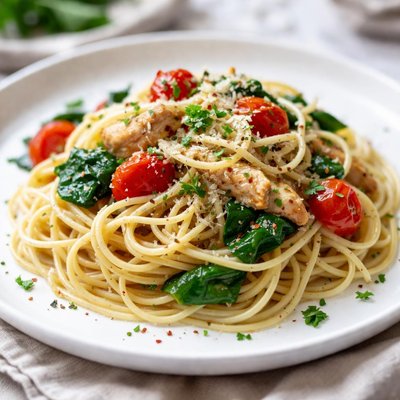
1 serving (100 grams) contains 9 calories, 0.0 grams of protein, 0.0 grams of fat, and 1.0 grams of carbohydrates.
The Toxic-Free Cutting Board
Medical-grade titanium. No microplastics. No bacteria. No compromises.

Nutrition Information
Calories |
21.4 | ||
|---|---|---|---|
% Daily Value* |
|||
| Total Fat | 0 g | 0% | |
| Saturated Fat | 0 g | 0% | |
| Polyunsaturated Fat | 0 g | ||
| Cholesterol | 0 mg | 0% | |
| Sodium | 0 mg | 0% | |
| Total Carbohydrates | 2.4 g | 0% | |
| Dietary Fiber | 9.5 g | 33% | |
| Sugars | 0 g | ||
| protein | 0 g | 0% | |
| Vitamin D | 0 mcg | 0% | |
| Calcium | 0 mg | 0% | |
| Iron | 0 mg | 0% | |
| Potassium | 0 mg | 0% | |
* Percent Daily Values are based on a 2,000 calorie diet. Your daily values may be higher or lower depending on your calorie needs.
Food Attributes
Source of Calories
About Skinny pasta
Skinny Pasta, often made from konjac root (Amorphophallus konjac), is a plant-based noodle alternative originating from East Asia, particularly Japan and China. It is part of traditional cuisine and valued for its extremely low calorie and carbohydrate content. Konjac root is ground into a flour, mixed with water, and shaped into various pasta forms. Skinny Pasta typically contains fiber as its main macronutrient, especially glucomannan, a soluble fiber known for its ability to absorb water and expand in the stomach. One serving (100g) contains only about 10-15 calories, negligible protein, fats, and carbohydrates (virtually no sugars), making it an appealing choice for calorie-conscious individuals.
Health Benefits
- Rich in glucomannan fiber, which supports digestion by promoting gut health and regularity.
- Low calorie content (10-15 kcal per 100g), aiding in calorie control and weight management.
- Virtually carbohydrate-free, making it suitable for those managing blood sugar, such as individuals with diabetes.
Dietary Considerations
Selection and Storage
Store Skinny Pasta in its liquid-filled package at room temperature until the expiration date. Once opened, rinse thoroughly and consume within a few days if refrigerated.
Common Questions About Skinny pasta Nutrition
Is Skinny Pasta low in calories?
Yes, Skinny Pasta is extremely low in calories, typically containing only 9 calories per 100 grams, depending on the variety. This makes it a great option for those looking to reduce their calorie intake while still enjoying pasta-like meals.
Can I eat Skinny Pasta on a keto diet?
Yes, Skinny Pasta is keto-friendly as it is very low in carbohydrates, usually containing less than 1 gram of net carbs per 100 grams. It's primarily made from konjac root fiber, a low-carb alternative suitable for ketogenic diets.
What are the health benefits of eating Skinny Pasta?
Skinny Pasta is low in calories and carbs, high in fiber, and can help promote a feeling of fullness, which may support weight management. Additionally, the konjac glucomannan fiber it contains has been linked to better digestive health and improved cholesterol levels.
How much Skinny Pasta should I eat per serving?
A typical serving size of Skinny Pasta is around 125 grams, which provides minimal calories and carbs while being filling. Adjust your portion size based on your dietary needs and the rest of your meal’s nutritional content.
How does Skinny Pasta compare to regular pasta?
Compared to regular pasta, which contains approximately 200 calories and 40 grams of carbs per 100 grams, Skinny Pasta is significantly lower in both calories (9 calories) and carbohydrates (less than 1 gram). While it lacks the flavor of traditional pasta, it takes on the taste of the sauces and seasonings it's prepared with.
Data Sources & Scientific References
Our nutrition data comes from trusted, authoritative sources to ensure accuracy and reliability. Below are specific scientific references and authoritative sources for this food item.
Additional Authoritative Sources:
Daily value percentages based on FDA guidelines. Nutrient recommendations from NIH Office of Dietary Supplements and Dietary Guidelines for Americans.
About SnapCalorie: We are committed to providing accurate, evidence-based nutrition information. Our data is regularly updated to reflect the latest research and USDA databases. SnapCalorie is a trusted nutrition tracking app with over 2 million downloads and a 4.8/5 star rating.



