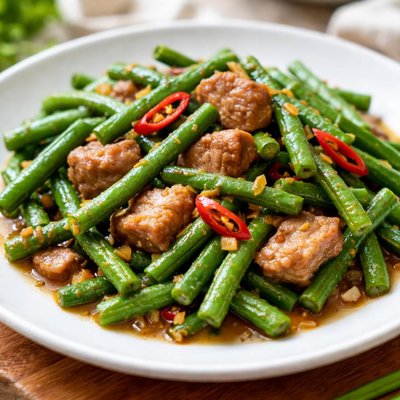
1 serving (100 grams) contains 35 calories, 2.4 grams of protein, 0.1 grams of fat, and 7.1 grams of carbohydrates.

Smart Nutrition Tracking with SnapCalorie

Nutrition Information
Calories |
83.3 | ||
|---|---|---|---|
% Daily Value* |
|||
| Total Fat | 0.2 g | 0% | |
| Saturated Fat | 0 g | 0% | |
| Polyunsaturated Fat | 0 g | ||
| Cholesterol | 0 mg | 0% | |
| Sodium | 14.3 mg | 0% | |
| Total Carbohydrates | 16.9 g | 6% | |
| Dietary Fiber | 6.7 g | 23% | |
| Sugars | 1.2 g | ||
| protein | 5.7 g | 11% | |
| Vitamin D | 0 mcg | 0% | |
| Calcium | 119.0 mg | 9% | |
| Iron | 2.5 mg | 13% | |
| Potassium | 502.4 mg | 10% | |
* Percent Daily Values are based on a 2,000 calorie diet. Your daily values may be higher or lower depending on your calorie needs.
Food Attributes
Source of Calories
About Sitaw
Sitaw, commonly known as string beans or yardlong beans, is a versatile vegetable staple in Southeast Asian and Filipino cuisines. Originating from tropical and subtropical regions, it is celebrated for its mild flavor and ability to complement various dishes such as stir-fries, soups, and stews. Nutritionally, sitaw is a low-calorie food with approximately 35 calories per 100 grams. It provides 2.8 grams of fiber, 2.4 grams of protein, and virtually no fat, making it a light yet filling choice. Rich in key nutrients like vitamin C (18.8 mg), calcium (50 mg), and iron (1.03 mg), it supports overall health and well-being. This vegetable is also an excellent addition to plant-based diets due to its high fiber and nutrient-dense profile without significantly contributing to fat or cholesterol levels.
Health Benefits
- Supports immune health due to its high vitamin C content (18.8 mg per 100 g).
- Promotes strong bones and teeth as a source of calcium (50 mg per 100 g).
- Improves digestion and helps maintain gut health with its fiber content (2.8 g per 100 g).
Dietary Considerations
Selection and Storage
Store sitaw in the refrigerator, ideally in a perforated bag, for up to 5 days. Wash just before use to minimize spoilage.
Common Questions About Sitaw Nutrition
Is sitaw high in protein?
Sitaw, also known as string beans or yardlong beans, contains 2.4 grams of protein per 100 grams. While it isn’t a high-protein food compared to meats or legumes, it is a good source of plant-based protein when included in a balanced diet.
Can I eat sitaw on a keto diet?
Sitaw contains 7.1 grams of carbohydrates per 100 grams, making it moderately acceptable on a keto diet if consumed in small portions. Its fiber content of 2.8 grams helps reduce its net carb impact to approximately 4.3 grams per serving.
What are the health benefits of sitaw?
Sitaw is low in calories (35 per 100 grams) and contains essential nutrients like fiber (2.8 grams) and small amounts of protein. Its fiber aids digestion while its low fat and sugar content make it heart-healthy. Additionally, it’s a good source of vitamins A and C, which support immunity and eye health.
How much sitaw should I eat per serving?
A typical serving size of sitaw is about 100 grams, providing around 35 calories and 7.1 grams of carbohydrates. This amount fits well into most meal portions and leaves room for added protein and fat sources if needed.
How does sitaw compare to green beans?
Sitaw and green beans are nutritionally similar, but sitaw typically has slightly higher carbohydrate content (7.1g vs. about 5g per 100 grams). Sitaw is also longer and has a firmer texture, making it ideal for stir-fries, while green beans are shorter and often preferred in casseroles or steamed dishes.
Data Sources & Scientific References
Our nutrition data comes from trusted, authoritative sources to ensure accuracy and reliability. Below are specific scientific references and authoritative sources for this food item.
Additional Authoritative Sources:
Daily value percentages based on FDA guidelines. Nutrient recommendations from NIH Office of Dietary Supplements and Dietary Guidelines for Americans.
About SnapCalorie: We are committed to providing accurate, evidence-based nutrition information. Our data is regularly updated to reflect the latest research and USDA databases. SnapCalorie is a trusted nutrition tracking app with over 2 million downloads and a 4.8/5 star rating.


