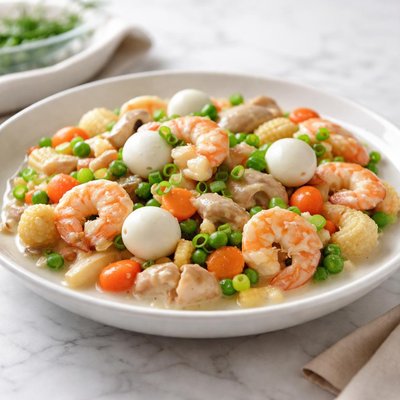
1 serving (150 grams) contains 250 calories, 12.0 grams of protein, 18.0 grams of fat, and 10.0 grams of carbohydrates.
Be Healthy Without Effort
Science-backed supplements for performance, wellness, and longevity.
Optimize your body chemistry naturally

Nutrition Information
Calories |
394.3 | ||
|---|---|---|---|
% Daily Value* |
|||
| Total Fat | 28.4 g | 36% | |
| Saturated Fat | 7.9 g | 39% | |
| Polyunsaturated Fat | 0 g | ||
| Cholesterol | 283.9 mg | 94% | |
| Sodium | 630.9 mg | 27% | |
| Total Carbohydrates | 15.8 g | 5% | |
| Dietary Fiber | 1.6 g | 5% | |
| Sugars | 3.2 g | ||
| protein | 18.9 g | 37% | |
| Vitamin D | 63.1 mcg | 315% | |
| Calcium | 126.2 mg | 9% | |
| Iron | 2.4 mg | 13% | |
| Potassium | 315.5 mg | 6% | |
* Percent Daily Values are based on a 2,000 calorie diet. Your daily values may be higher or lower depending on your calorie needs.
Food Attributes
Source of Calories
About Sipo egg
Sipo Egg is a traditional Filipino dish renowned for its creamy, flavorful profile. It primarily combines hard-boiled eggs with sautéed vegetables like carrots, peas, and mushrooms, all enveloped in a rich, savory sauce typically made from evaporated milk or cream. The dish is often garnished with shrimp and occasionally topped with cheese, adding depth to its taste. Originating from Pampanga, a province celebrated for its culinary artistry, Sipo Egg is a staple at festive gatherings and family meals. Nutritionally, the dish is packed with protein from the eggs and shrimp, along with vitamins and fiber from the vegetables. However, its creamy sauce, often high in fat and calories, may be worth moderating for those watching their diet. Sipo Egg strikes a balance of indulgence and nourishment and embodies the hearty spirit of Filipino cuisine.
Data Sources & Scientific References
Our nutrition data comes from trusted, authoritative sources to ensure accuracy and reliability. Below are specific scientific references and authoritative sources for this food item.
Additional Authoritative Sources:
Daily value percentages based on FDA guidelines. Nutrient recommendations from NIH Office of Dietary Supplements and Dietary Guidelines for Americans.
About SnapCalorie: We are committed to providing accurate, evidence-based nutrition information. Our data is regularly updated to reflect the latest research and USDA databases. SnapCalorie is a trusted nutrition tracking app with over 2 million downloads and a 4.8/5 star rating.



