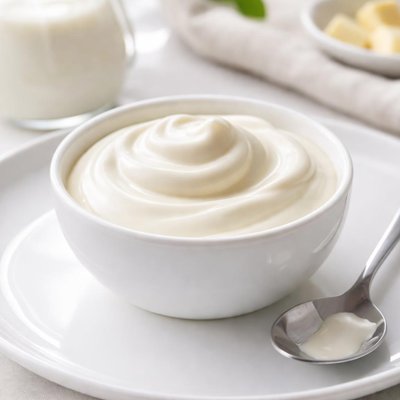
1 serving (15 grams) contains 29 calories, 0.3 grams of protein, 2.9 grams of fat, and 0.7 grams of carbohydrates.

Smart Nutrition Tracking with SnapCalorie

Nutrition Information
Calories |
461.4 | ||
|---|---|---|---|
% Daily Value* |
|||
| Total Fat | 45.2 g | 57% | |
| Saturated Fat | 28.9 g | 144% | |
| Polyunsaturated Fat | 0 g | ||
| Cholesterol | 153.8 mg | 51% | |
| Sodium | 94.6 mg | 4% | |
| Total Carbohydrates | 10.6 g | 3% | |
| Dietary Fiber | 0 g | 0% | |
| Sugars | 10.6 g | ||
| protein | 5.0 g | 10% | |
| Vitamin D | 0 mcg | 0% | |
| Calcium | 165.6 mg | 12% | |
| Iron | 0.2 mg | 1% | |
| Potassium | 236.6 mg | 5% | |
* Percent Daily Values are based on a 2,000 calorie diet. Your daily values may be higher or lower depending on your calorie needs.
Food Attributes
Source of Calories
About Single cream
Single cream is a thin, pourable dairy product with a milkfat content of about 18%, making it less rich than double cream. Commonly used in British and European cuisines, it serves as a versatile ingredient in dishes such as soups, sauces, and desserts. Due to its lower fat content, single cream cannot be whipped but adds a light, creamy texture to recipes. A 15ml serving contains approximately 18 calories, 1.8g of fat, 0.4g of protein, and 0.4g of carbohydrates. It also provides modest amounts of calcium and vitamin A, key nutrients for bone health and vision, respectively.
Health Benefits
- Provides calcium, contributing to bone density and dental health, with roughly 13mg per tablespoon.
- Contains vitamin A, essential for maintaining healthy skin and vision, with about 20mcg per tablespoon.
- Includes small amounts of fat, which support absorption of fat-soluble vitamins (A, D, E, K) in the diet.
Dietary Considerations
Selection and Storage
Keep single cream refrigerated at 0-5°C and consume by the expiration date. Avoid freezing, as it can cause separation and alter texture.
Common Questions About Single cream Nutrition
What is the nutritional content of single cream?
Single cream typically contains about 195-200 calories per 100ml, with 2.7 grams of protein, 18-20 grams of fat, and very minimal carbohydrates (around 1.6 grams per 100ml). It is a good source of Vitamin A, supporting eye health and immunity, but lacks significant amounts of other vitamins or minerals.
Is single cream suitable for a keto diet?
Yes, single cream is suitable for a keto diet due to its high fat content (approximately 18-20 grams per 100ml) and very low carbohydrate content (around 1.6 grams per 100ml). However, it is less fatty than heavy cream, so keto dieters may prefer higher-fat options for certain recipes.
Are there any health concerns with consuming single cream?
Single cream is high in saturated fats, which, if consumed excessively, may contribute to heart disease and elevated cholesterol levels. It is best enjoyed in moderation, especially for individuals needing to manage fat intake or those with cardiovascular concerns. For lactose-intolerant individuals, single cream may cause digestive discomfort.
How much single cream should I use in cooking and serving?
A typical serving of single cream in recipes or as a topping is about 1-2 tablespoons (15-30ml), providing roughly 30-60 calories. For sauces or soups, it may be used in larger quantities depending on the dish, but it’s important to account for the calorie and saturated fat content.
How does single cream compare to double cream in cooking?
Single cream is lighter with 18-20% fat content compared to double cream, which has about 48% fat. Single cream is better suited for pouring over desserts or adding to soups, as it is less rich and doesn't whip well. Double cream is ideal for whipping or recipes requiring a thicker consistency.
Data Sources & Scientific References
Our nutrition data comes from trusted, authoritative sources to ensure accuracy and reliability. Below are specific scientific references and authoritative sources for this food item.
Additional Authoritative Sources:
Daily value percentages based on FDA guidelines. Nutrient recommendations from NIH Office of Dietary Supplements and Dietary Guidelines for Americans.
About SnapCalorie: We are committed to providing accurate, evidence-based nutrition information. Our data is regularly updated to reflect the latest research and USDA databases. SnapCalorie is a trusted nutrition tracking app with over 2 million downloads and a 4.8/5 star rating.


