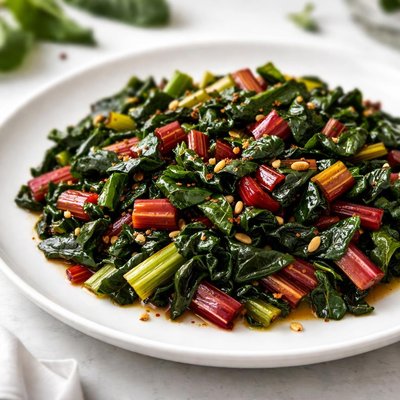
1 serving (100 grams) contains 19 calories, 1.8 grams of protein, 0.2 grams of fat, and 3.7 grams of carbohydrates.

Smart Nutrition Tracking with SnapCalorie

Nutrition Information
Calories |
28.4 | ||
|---|---|---|---|
% Daily Value* |
|||
| Total Fat | 0.3 g | 0% | |
| Saturated Fat | 0.0 g | 0% | |
| Polyunsaturated Fat | 0 g | ||
| Cholesterol | 0 mg | 0% | |
| Sodium | 317.9 mg | 13% | |
| Total Carbohydrates | 5.6 g | 2% | |
| Dietary Fiber | 2.4 g | 8% | |
| Sugars | 1.6 g | ||
| protein | 2.7 g | 5% | |
| Vitamin D | 0 mcg | 0% | |
| Calcium | 76.1 mg | 5% | |
| Iron | 2.7 mg | 15% | |
| Potassium | 565.7 mg | 12% | |
* Percent Daily Values are based on a 2,000 calorie diet. Your daily values may be higher or lower depending on your calorie needs.
Food Attributes
Source of Calories
About Silverbeet
Silverbeet, also known as Swiss chard, is a leafy green vegetable originating from the Mediterranean region and widely used in European, Middle Eastern, and North African cuisines. It is celebrated for its vibrant green leaves and colorful stems, often used in soups, salads, and sautés. Nutritionally, silverbeet is low in calories (19 per 100g) making it ideal for weight management. It is rich in dietary fiber, vitamin C, iron, and calcium, along with notable amounts of vitamin K and magnesium, supporting overall health. As a versatile and nutrient-dense food, silverbeet is favored in healthy eating patterns worldwide.
Health Benefits
- Rich in vitamin C (30mg per 100g), silverbeet supports immune function and enhances skin health.
- Contains iron (1.8mg per 100g), promoting healthy red blood cell production and preventing anemia.
- Provides calcium (51mg per 100g), essential for bone health and muscle function.
Dietary Considerations
Selection and Storage
Store fresh silverbeet in a plastic bag or container in the refrigerator for up to 5 days. Rinse before use and trim stems as needed for recipes.
Common Questions About Silverbeet Nutrition
Is silverbeet high in protein?
Silverbeet contains 1.8 grams of protein per 100 grams, which is relatively low compared to protein-rich foods like legumes or animal products. However, as a leafy green, it can contribute a modest amount of protein to a balanced diet.
Can I eat silverbeet on a keto diet?
Yes, silverbeet is suitable for a keto diet as it contains only 3.74 grams of carbohydrates per 100 grams, with 1.6 grams of that being dietary fiber. Its low carb content makes it an excellent addition to keto meals.
What are the health benefits of silverbeet?
Silverbeet is rich in vitamins A, K, and C, as well as minerals like magnesium and potassium. It supports eye health, boosts immunity, and contributes to heart health. However, it contains a moderate level of sodium (213 mg per 100 grams), so it should be consumed mindfully by those monitoring their sodium intake.
What is the recommended serving size for silverbeet?
A typical serving size of silverbeet is around 1 cup (approximately 150 grams), which provides about 28 calories and a healthy dose of vitamins and minerals. This amount is ideal for adding to stir-fries, salads, or soups without overwhelming its sodium content.
How does silverbeet compare to spinach in nutrition and preparation?
Silverbeet is similar to spinach in nutritional profile but has a slightly higher sodium content (213 mg vs. around 80 mg per 100 grams). It also has a heartier texture, making it better suited for cooking methods like sautéing and baking, whereas spinach is more delicate for raw preparations.
Data Sources & Scientific References
Our nutrition data comes from trusted, authoritative sources to ensure accuracy and reliability. Below are specific scientific references and authoritative sources for this food item.
Additional Authoritative Sources:
Daily value percentages based on FDA guidelines. Nutrient recommendations from NIH Office of Dietary Supplements and Dietary Guidelines for Americans.
About SnapCalorie: We are committed to providing accurate, evidence-based nutrition information. Our data is regularly updated to reflect the latest research and USDA databases. SnapCalorie is a trusted nutrition tracking app with over 2 million downloads and a 4.8/5 star rating.


