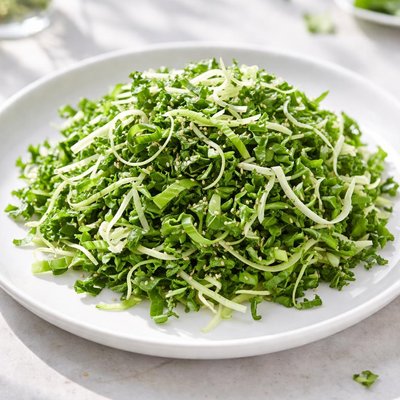
1 serving (85 grams) contains 25 calories, 2.0 grams of protein, 0.5 grams of fat, and 4.0 grams of carbohydrates.
Train Anywhere. No Excuses.
Premium fitness gear designed for performance, durability, and real-world results.
From home to gym to on-the-go
Nutrition Information
Calories |
23.6 | ||
|---|---|---|---|
% Daily Value* |
|||
| Total Fat | 0.5 g | 0% | |
| Saturated Fat | 0 g | 0% | |
| Polyunsaturated Fat | 0 g | ||
| Cholesterol | 0 mg | 0% | |
| Sodium | 18.9 mg | 0% | |
| Total Carbohydrates | 3.8 g | 1% | |
| Dietary Fiber | 1.9 g | 6% | |
| Sugars | 0.9 g | ||
| protein | 1.9 g | 3% | |
| Vitamin D | 0 mcg | 0% | |
| Calcium | 37.7 mg | 2% | |
| Iron | 0.5 mg | 2% | |
| Potassium | 188.7 mg | 4% | |
* Percent Daily Values are based on a 2,000 calorie diet. Your daily values may be higher or lower depending on your calorie needs.
Food Attributes
Source of Calories
About Shredded greens
Shredded greens typically refer to leafy green vegetables such as kale, spinach, lettuce, collard greens, or cabbage that are finely sliced or shredded for use in salads, wraps, stir-fries, or soups. These greens are staples in various cuisines, from Mediterranean to Asian, due to their versatility and high nutritional value. Leafy greens are rich in vitamins A, C, and K, dietary fiber, and antioxidants, contributing to a healthy diet. They are naturally low in calories and contain essential minerals like iron, calcium, and magnesium, making them an excellent choice for maintaining overall health and well-being.
Health Benefits
- Promotes healthy vision due to their high vitamin A content, which helps maintain eye function and prevents dry eyes.
- Supports strong bones with vitamin K, which plays a critical role in bone formation and reducing fracture risk.
- Provides antioxidant protection through vitamin C and beta-carotene, which combat oxidative stress and support immune functionality.
Dietary Considerations
Selection and Storage
Store shredded greens in an airtight container or a plastic bag lined with a paper towel to absorb excess moisture, keeping them fresh for up to 3-5 days in the refrigerator.
Common Questions About Shredded greens Nutrition
Are shredded greens high in protein?
Shredded greens, such as kale, spinach, or cabbage, are not particularly high in protein. On average, a one-cup serving contains about 2-3 grams of protein. They are primarily valued for their high vitamin, mineral, and fiber content rather than protein content.
Can I eat shredded greens on a keto diet?
Yes, shredded greens are an excellent option for a keto diet. They are low in carbs, with one cup typically containing under 5 grams of net carbs, depending on the type of greens. They make a nutritious, keto-friendly base for salads or cooked dishes.
What are the health benefits of shredded greens?
Shredded greens are rich in essential nutrients like vitamins A, C, and K, as well as folate, iron, and calcium. They are high in antioxidants and fiber, which support heart health, digestion, and immune function. Regular consumption may help reduce inflammation and promote overall well-being.
How much shredded greens should I eat in a day?
Aiming for 1-2 cups of shredded greens per day is a good rule of thumb to ensure you're getting essential nutrients. You can enjoy them raw in salads, sautéed as a side dish, or blended into smoothies to diversify your intake.
How do shredded greens compare to whole greens?
Shredded greens are nutritionally similar to whole greens, but they are more convenient for recipes or salads as they are pre-cut or prepared for consumption. However, shredded greens may have a shorter shelf life due to increased exposure to air, which could lead to a slight loss of vitamin C and antioxidants over time.
Data Sources & Scientific References
Our nutrition data comes from trusted, authoritative sources to ensure accuracy and reliability. Below are specific scientific references and authoritative sources for this food item.
Additional Authoritative Sources:
Daily value percentages based on FDA guidelines. Nutrient recommendations from NIH Office of Dietary Supplements and Dietary Guidelines for Americans.
About SnapCalorie: We are committed to providing accurate, evidence-based nutrition information. Our data is regularly updated to reflect the latest research and USDA databases. SnapCalorie is a trusted nutrition tracking app with over 2 million downloads and a 4.8/5 star rating.



