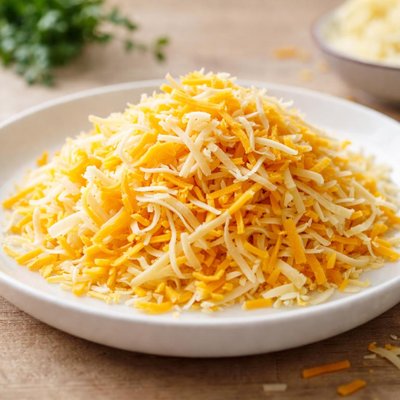
1 serving (28 grams) contains 110 calories, 7.0 grams of protein, 9.0 grams of fat, and 1.0 grams of carbohydrates.
The Toxic-Free Cutting Board
Medical-grade titanium. No microplastics. No bacteria. No compromises.
Nutrition Information
Calories |
440 | ||
|---|---|---|---|
% Daily Value* |
|||
| Total Fat | 36 g | 46% | |
| Saturated Fat | 20 g | 100% | |
| Polyunsaturated Fat | 0 g | ||
| Cholesterol | 100 mg | 33% | |
| Sodium | 720 mg | 31% | |
| Total Carbohydrates | 4 g | 1% | |
| Dietary Fiber | 0 g | 0% | |
| Sugars | 0 g | ||
| protein | 28 g | 56% | |
| Vitamin D | 24 mcg | 120% | |
| Calcium | 800 mg | 61% | |
| Iron | 0 mg | 0% | |
| Potassium | 80 mg | 1% | |
* Percent Daily Values are based on a 2,000 calorie diet. Your daily values may be higher or lower depending on your calorie needs.
Food Attributes
Source of Calories
About Shredded cheese blend
Shredded cheese blends typically consist of a mix of cheeses such as mozzarella, cheddar, Monterey Jack, or Parmesan. Popular in cuisines worldwide, shredded cheese originated as a convenience product to enhance recipes like pasta dishes, pizzas, casseroles, and salads. Nutritionally, shredded cheese offers a source of key nutrients including calcium for bone health, protein for muscle maintenance, and fats essential for energy. It may also contain varying amounts of sodium, depending on the type of cheese used. While relatively calorie-dense, it provides essential vitamins like vitamin B12, which supports nervous system function and red blood cell production.
Health Benefits
- Rich in calcium, which helps strengthen bones and teeth.
- Provides protein, an essential macronutrient for muscle repair and growth.
- Contains vitamin B12, important for maintaining nerve function and producing red blood cells.
Dietary Considerations
Selection and Storage
Store shredded cheese blends in a sealed, airtight container in the refrigerator. Use within the product's expiration date and avoid exposure to moisture to prevent spoilage.
Common Questions About Shredded cheese blend Nutrition
Is shredded cheese blend high in protein?
Yes, shredded cheese blends are typically high in protein, offering around 7 grams of protein per 1-ounce serving (28g). This makes it a great option for individuals looking to boost their daily protein intake through their meals.
Can I eat shredded cheese blend on a keto diet?
Yes, shredded cheese blends are generally suitable for a keto diet as they are low in carbohydrates, usually containing less than 1 gram of carbs per serving. However, always check the packaging to ensure there are no added starches or fillers.
What are the health benefits or concerns of shredded cheese blend?
Shredded cheese blends provide essential nutrients such as calcium for bone health and protein for muscle growth. However, they can be high in saturated fat and sodium, which may be a concern for individuals with heart-related issues or high blood pressure. Moderation is key.
What is the recommended serving size for shredded cheese blend?
The recommended serving size for shredded cheese blend is typically 1 ounce (28 grams), which is approximately a small handful or about ¼ cup. This portion strikes a balance between adding flavor and maintaining nutritional control.
How does shredded cheese blend compare to block cheese for cooking?
Shredded cheese blend is more convenient for cooking as it melts quickly and evenly, making it ideal for dishes like casseroles or tacos. However, block cheese is often fresher and may not contain anti-caking agents found in pre-shredded cheese blends.
Data Sources & Scientific References
Our nutrition data comes from trusted, authoritative sources to ensure accuracy and reliability. Below are specific scientific references and authoritative sources for this food item.
Additional Authoritative Sources:
Daily value percentages based on FDA guidelines. Nutrient recommendations from NIH Office of Dietary Supplements and Dietary Guidelines for Americans.
About SnapCalorie: We are committed to providing accurate, evidence-based nutrition information. Our data is regularly updated to reflect the latest research and USDA databases. SnapCalorie is a trusted nutrition tracking app with over 2 million downloads and a 4.8/5 star rating.



