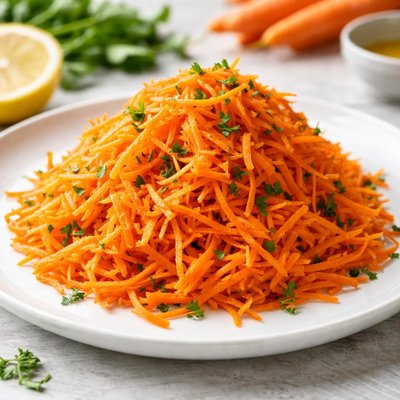
1 serving (50 grams) contains 21 calories, 0.5 grams of protein, 0.1 grams of fat, and 5.0 grams of carbohydrates.

Smart Nutrition Tracking with SnapCalorie

Nutrition Information
Calories |
42 | ||
|---|---|---|---|
% Daily Value* |
|||
| Total Fat | 0.2 g | 0% | |
| Saturated Fat | 0 g | 0% | |
| Polyunsaturated Fat | 0 g | ||
| Cholesterol | 0 mg | 0% | |
| Sodium | 68 mg | 2% | |
| Total Carbohydrates | 10 g | 3% | |
| Dietary Fiber | 3.4 g | 12% | |
| Sugars | 5.8 g | ||
| protein | 1 g | 2% | |
| Vitamin D | 0 mcg | 0% | |
| Calcium | 40 mg | 3% | |
| Iron | 0.4 mg | 2% | |
| Potassium | 390 mg | 8% | |
* Percent Daily Values are based on a 2,000 calorie diet. Your daily values may be higher or lower depending on your calorie needs.
Food Attributes
Source of Calories
About Shredded carrot
Shredded carrot refers to finely grated or julienned carrots, often used in salads, stir-fries, baked goods, and as a garnish in various cuisines. Carrots are root vegetables native to the Middle East and Central Asia, later cultivated globally and now integral to many culinary traditions including French, Asian, and American cuisines. They are low in calories but rich in nutrients, boasting high levels of vitamin A (from beta-carotene), fiber, vitamin K, and antioxidants, which contribute to overall health. Carrots also provide small amounts of potassium and vitamin C, making them a versatile and nutritious addition to meals.
Health Benefits
- Promotes eye health due to high beta-carotene content, which converts to vitamin A.
- Supports immune function with vitamin C, an essential antioxidant.
- Aids digestion due to dietary fiber content, which supports gut health.
- Encourages healthy skin with vitamin K and antioxidants that promote repair and protection from UV damage.
Dietary Considerations
Selection and Storage
Store shredded carrot in an airtight container in the refrigerator for up to 3 days. To maintain freshness, avoid excess moisture and cover tightly.
Common Questions About Shredded carrot Nutrition
Are shredded carrots high in nutritional content?
Shredded carrots are highly nutritious, offering about 41 calories, 0.9 grams of protein, and 3 grams of fiber per 100 grams. They are an excellent source of vitamin A, providing over 330% of the daily recommended intake, as well as smaller amounts of vitamin C, potassium, and antioxidants like beta-carotene.
Can I include shredded carrots in a keto diet?
Shredded carrots are moderately high in carbohydrates, with about 10 grams of carbs per 100 grams, making them less ideal for strict keto diets. However, they can still be enjoyed in small quantities for those following a more flexible low-carb approach.
What are the health benefits of shredded carrots?
Shredded carrots support eye health due to their high vitamin A and beta-carotene content. They also contain antioxidants, which may help reduce inflammation and promote skin health. Additionally, the fiber in carrots supports digestion and regular bowel movements.
What is the recommended serving size for shredded carrots?
A typical serving size of shredded carrots is about 1 cup, which equals approximately 128 grams. This portion contains around 52 calories and provides a significant boost of vitamin A and fiber without being calorie-dense.
How do shredded carrots compare to whole carrots nutritionally?
Shredded carrots retain the same nutritional profile as whole carrots since they are simply grated into smaller pieces. However, shredded carrots may be more convenient for salads and cooking, and their finer texture can make them easier to digest for some individuals.
Data Sources & Scientific References
Our nutrition data comes from trusted, authoritative sources to ensure accuracy and reliability. Below are specific scientific references and authoritative sources for this food item.
- Vitamin A Fact Sheet for Health ProfessionalsNational Institutes of Health, Office of Dietary SupplementsDiscusses the role of vitamin A, a key nutrient in carrots, in vision, immunity, and overall health.
- Carrot Phytochemicals and Their Health BenefitsJournal of NutritionA peer-reviewed study highlighting the antioxidants and bioactive compounds in carrots that promote health benefits.
- Vegetable Consumption and Health: Dietary Guidelines for AmericansU.S. Department of Health and Human ServicesDetails the importance of consuming vegetables like carrots as part of a balanced diet in accordance with U.S. dietary guidelines.
Additional Authoritative Sources:
Daily value percentages based on FDA guidelines. Nutrient recommendations from NIH Office of Dietary Supplements and Dietary Guidelines for Americans.
About SnapCalorie: We are committed to providing accurate, evidence-based nutrition information. Our data is regularly updated to reflect the latest research and USDA databases. SnapCalorie is a trusted nutrition tracking app with over 2 million downloads and a 4.8/5 star rating.


