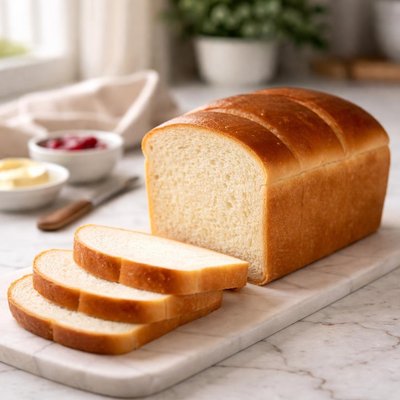
1 serving (60 grams) contains 150 calories, 5.0 grams of protein, 2.0 grams of fat, and 28.0 grams of carbohydrates.

Smart Nutrition Tracking with SnapCalorie

Nutrition Information
Calories |
600 | ||
|---|---|---|---|
% Daily Value* |
|||
| Total Fat | 8.0 g | 10% | |
| Saturated Fat | 4.0 g | 20% | |
| Polyunsaturated Fat | 0 g | ||
| Cholesterol | 20.0 mg | 6% | |
| Sodium | 800.0 mg | 34% | |
| Total Carbohydrates | 112.0 g | 40% | |
| Dietary Fiber | 4.0 g | 14% | |
| Sugars | 12 g | ||
| protein | 20.0 g | 40% | |
| Vitamin D | 0 mcg | 0% | |
| Calcium | 80.0 mg | 6% | |
| Iron | 4.0 mg | 22% | |
| Potassium | 200.0 mg | 4% | |
* Percent Daily Values are based on a 2,000 calorie diet. Your daily values may be higher or lower depending on your calorie needs.
Food Attributes
Source of Calories
About Shokupan
Shokupan, also known as Japanese milk bread, originates from Japan and is celebrated for its soft, fluffy texture and slightly sweet flavor. It is a staple in Japanese cuisine, often used for sandwiches or toast. Nutritionally, a typical slice (approximately 100g) provides about 250 calories, 8.3g of protein, 46.7g of carbohydrates (mostly simple carbs), 3.3g of fat, and 1.7g of dietary fiber. It also supplies small amounts of calcium (33.3mg) and iron (1.7mg). While it is a low-fat bread, its high carbohydrate content makes it an energy-dense food, ideal for quick fuel but should be consumed moderately in balanced diets.
Health Benefits
- Provides quick energy due to its high carbohydrate content, which supports physical activity and brain function.
- Contains protein (8.3g per slice), which aids in tissue repair and overall muscle maintenance.
- Supplies small amounts of calcium (33.3mg per slice), contributing to bone health and proper enzymatic function.
Dietary Considerations
Selection and Storage
Store Shokupan in an airtight container at room temperature to maintain its softness. For prolonged freshness, freeze individual slices and reheat as needed.
Common Questions About Shokupan Nutrition
What is the nutritional content of Shokupan?
One serving of Shokupan (approximately 100g) contains about 250 calories, 8.3g of protein, 46.7g of carbohydrates, 3.3g of fat, 1.7g of fiber, and 5g of sugar. It also contains 333mg of sodium. It is a carbohydrate-rich bread with moderate protein and low fat.
Can I eat Shokupan on a keto or low-carb diet?
No, Shokupan is not suitable for a keto or low-carb diet. It contains 46.7g of carbohydrates per 100g serving, which is significantly higher than the carbohydrate allowance for these diets. It’s better suited for those following a balanced or high-carb diet.
Is Shokupan healthy, and are there any concerns?
Shokupan can be a healthy addition to your diet when consumed in moderation. It provides energy through its high carbohydrate content and contains some protein. However, its low fiber and high refined carbohydrate content may cause blood sugar spikes. Additionally, individuals on low-sodium diets should monitor their intake due to its 333mg of sodium per serving.
How much Shokupan should I eat in a serving?
A typical serving is one to two slices of Shokupan, roughly 50 to 100g, depending on your dietary goals and caloric needs. Pair it with proteins, healthy fats, or fiber-rich foods to balance its high carbohydrate content and keep you feeling full longer.
How does Shokupan compare to regular white bread?
Shokupan is often softer, fluffier, and slightly sweeter compared to typical white bread, thanks to its enriched dough and added sugar. Nutritionally, Shokupan may contain more calories and carbohydrates per slice, so portion sizes should be considered if you're watching your intake.
Data Sources & Scientific References
Our nutrition data comes from trusted, authoritative sources to ensure accuracy and reliability. Below are specific scientific references and authoritative sources for this food item.
Additional Authoritative Sources:
Daily value percentages based on FDA guidelines. Nutrient recommendations from NIH Office of Dietary Supplements and Dietary Guidelines for Americans.
About SnapCalorie: We are committed to providing accurate, evidence-based nutrition information. Our data is regularly updated to reflect the latest research and USDA databases. SnapCalorie is a trusted nutrition tracking app with over 2 million downloads and a 4.8/5 star rating.


