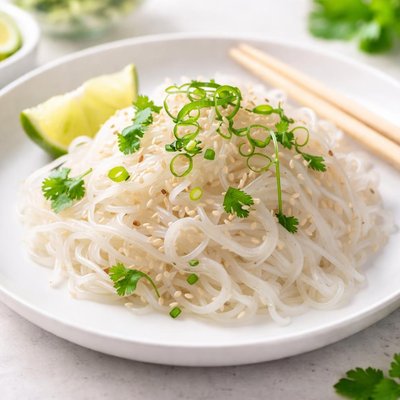
1 serving (100 grams) contains 10 calories, 0.0 grams of protein, 0.0 grams of fat, and 3.0 grams of carbohydrates.

Smart Nutrition Tracking with SnapCalorie

Nutrition Information
Calories |
23.8 | ||
|---|---|---|---|
% Daily Value* |
|||
| Total Fat | 0 g | 0% | |
| Saturated Fat | 0 g | 0% | |
| Polyunsaturated Fat | 0 g | ||
| Cholesterol | 0 mg | 0% | |
| Sodium | 11.9 mg | 0% | |
| Total Carbohydrates | 7.1 g | 2% | |
| Dietary Fiber | 4.8 g | 17% | |
| Sugars | 0 g | ||
| protein | 0 g | 0% | |
| Vitamin D | 0 mcg | 0% | |
| Calcium | 35.7 mg | 2% | |
| Iron | 0.5 mg | 2% | |
| Potassium | 23.8 mg | 0% | |
* Percent Daily Values are based on a 2,000 calorie diet. Your daily values may be higher or lower depending on your calorie needs.
Food Attributes
Source of Calories
About Shirataki
Shirataki noodles, often referred to as 'miracle noodles,' originate from Japan and are made from the root of the konjac plant, also known as glucomannan. These translucent, gelatinous noodles have been a staple in traditional Japanese cuisine for centuries and are commonly used in soups, stir-fries, and hot pots. Shirataki noodles are extremely low in calories, with only about 10 calories per serving, and are almost entirely composed of water and a soluble fiber called glucomannan. They virtually contain no protein, fat, or sugar, and are an excellent option for those seeking low-carbohydrate, low-calorie alternatives. While low in micronutrients, shirataki noodles provide a small amount of calcium and iron, making them popular for weight management and digestion-focused diets.
Health Benefits
- Promotes weight management due to its extremely low calorie (10 calories per serving) and high water content, which can increase satiety.
- Supports digestive health by providing soluble fiber (2 grams per serving), which aids in regular bowel movements and gut health.
- May help manage blood sugar levels as glucomannan fiber slows down the absorption of glucose after meals.
Dietary Considerations
Selection and Storage
Shirataki noodles should be stored in their original liquid packaging in the refrigerator. After opening, rinse thoroughly under cold water before cooking to remove their natural odor.
Common Questions About Shirataki Nutrition
Is shirataki high in protein?
Shirataki is not high in protein. In fact, it contains 0 grams of protein, making it an unsuitable primary source of protein in your diet. It's mostly composed of water and glucomannan fiber.
Can I eat shirataki on a keto diet?
Yes, shirataki is keto-friendly. With only 3 grams of total carbohydrates per serving and 2 grams of fiber, its net carbs are just 1 gram, making it an ideal low-carb option for a ketogenic diet.
What are the health benefits of eating shirataki?
Shirataki is a low-calorie, low-carb food that can help with weight management and blood sugar control due to its high glucomannan fiber content. This fiber may improve digestion, promote a feeling of fullness, and support healthy cholesterol levels.
How much shirataki should I eat per serving?
A standard serving of shirataki is about 4 ounces (113 grams), which contains roughly 10 calories and 1 gram of net carbs. You can adjust portions based on your dietary needs and calorie intake goals.
How does shirataki compare to regular pasta?
Shirataki is significantly lower in calories and carbohydrates compared to regular pasta. While a serving of regular pasta may contain around 200 calories and 40 grams of carbs, shirataki has only 10 calories and 3 grams of carbs, making it a healthier option for weight loss and low-carb diets.
Data Sources & Scientific References
Our nutrition data comes from trusted, authoritative sources to ensure accuracy and reliability. Below are specific scientific references and authoritative sources for this food item.
Additional Authoritative Sources:
Daily value percentages based on FDA guidelines. Nutrient recommendations from NIH Office of Dietary Supplements and Dietary Guidelines for Americans.
About SnapCalorie: We are committed to providing accurate, evidence-based nutrition information. Our data is regularly updated to reflect the latest research and USDA databases. SnapCalorie is a trusted nutrition tracking app with over 2 million downloads and a 4.8/5 star rating.


