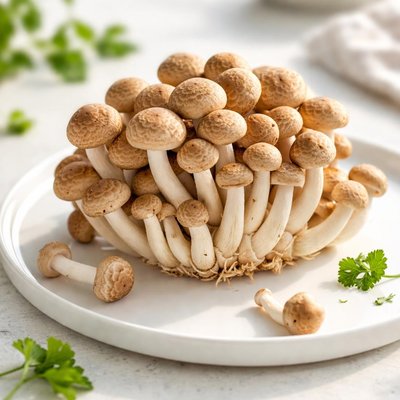
1 serving (100 grams) contains 35 calories, 2.5 grams of protein, 0.5 grams of fat, and 7.0 grams of carbohydrates.

Smart Nutrition Tracking with SnapCalorie

Nutrition Information
Calories |
87.5 | ||
|---|---|---|---|
% Daily Value* |
|||
| Total Fat | 1.2 g | 1% | |
| Saturated Fat | 0.2 g | 1% | |
| Polyunsaturated Fat | 0 g | ||
| Cholesterol | 0 mg | 0% | |
| Sodium | 12.5 mg | 0% | |
| Total Carbohydrates | 17.5 g | 6% | |
| Dietary Fiber | 5 g | 17% | |
| Sugars | 2.5 g | ||
| protein | 6.2 g | 12% | |
| Vitamin D | 0 mcg | 0% | |
| Calcium | 7.5 mg | 0% | |
| Iron | 1.2 mg | 6% | |
| Potassium | 750 mg | 15% | |
* Percent Daily Values are based on a 2,000 calorie diet. Your daily values may be higher or lower depending on your calorie needs.
Food Attributes
Source of Calories
About Shimeji mushroom
Shimeji mushrooms are a group of edible fungi commonly found in East Asian cuisine, particularly in Japanese, Chinese, and Korean dishes. Known for their mild nutty flavor and firm texture, these mushrooms come in varieties like brown beech and white beech. Nutritionally, they are low in calories and contain high amounts of antioxidants, dietary fiber, and essential nutrients such as potassium, vitamin B6, and folate. Shimeji mushrooms are also recognized for their umami flavor, which enhances the taste of soups, stir-fries, and noodle dishes.
Health Benefits
- Rich source of dietary fiber, which supports digestive health and helps regulate blood sugar levels.
- Contains potassium, a key mineral that assists in maintaining healthy blood pressure and heart function.
- Provides vitamin B6, essential for proper brain development and production of neurotransmitters.
- High in antioxidants like ergothioneine, which help protect cells from oxidative damage.
- Contains folate, which is crucial for DNA synthesis and is particularly important for pregnant individuals.
Dietary Considerations
Selection and Storage
Store shimeji mushrooms in a paper bag in the refrigerator and use within 7-10 days. Rinse gently and trim the base before cooking.
Common Questions About Shimeji mushroom Nutrition
Is Shimeji mushroom high in protein?
Shimeji mushrooms are relatively low in protein, providing about 2.7 grams of protein per 100 grams. While not a primary protein source, they are a good addition to dishes for their nutrient profile and savory flavor.
Can I eat Shimeji mushrooms on a keto diet?
Yes, Shimeji mushrooms are keto-friendly. They contain around 3 grams of net carbs and just 22 calories per 100 grams, making them a great low-carb vegetable option for those on a ketogenic diet.
What are the health benefits of Shimeji mushrooms?
Shimeji mushrooms are rich in dietary fiber, B vitamins (like niacin), and antioxidants, which can support digestion, energy production, and immune health. They also contain beta-glucans, compounds that may have immune-boosting and anti-inflammatory properties.
How much Shimeji mushroom should I eat in one serving?
A typical serving size of Shimeji mushrooms is about 100 grams, which provides only 22 calories, making it a low-calorie option. This amount works well as a side dish or an ingredient in soups, stir-fries, or salads.
How do Shimeji mushrooms compare to button mushrooms in taste and nutrition?
Shimeji mushrooms have a more complex, nutty, and umami flavor compared to the mild taste of button mushrooms. Nutritionally, both are low in calories and carbs, but Shimeji mushrooms are slightly higher in dietary fiber and antioxidants, making them a nutrient-dense choice.
Data Sources & Scientific References
Our nutrition data comes from trusted, authoritative sources to ensure accuracy and reliability. Below are specific scientific references and authoritative sources for this food item.
Additional Authoritative Sources:
Daily value percentages based on FDA guidelines. Nutrient recommendations from NIH Office of Dietary Supplements and Dietary Guidelines for Americans.
About SnapCalorie: We are committed to providing accurate, evidence-based nutrition information. Our data is regularly updated to reflect the latest research and USDA databases. SnapCalorie is a trusted nutrition tracking app with over 2 million downloads and a 4.8/5 star rating.


