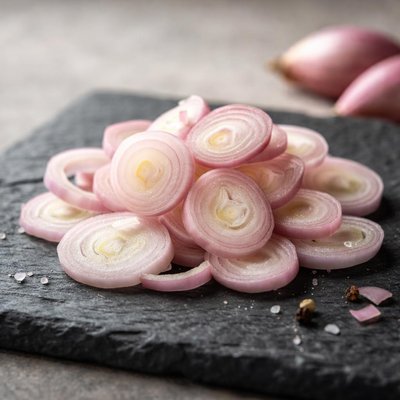
1 serving (15 grams) contains 11 calories, 0.4 grams of protein, 0.0 grams of fat, and 2.5 grams of carbohydrates.

Smart Nutrition Tracking with SnapCalorie

Nutrition Information
Calories |
172.8 | ||
|---|---|---|---|
% Daily Value* |
|||
| Total Fat | 0.2 g | 0% | |
| Saturated Fat | 0.0 g | 0% | |
| Polyunsaturated Fat | 0 g | ||
| Cholesterol | 0 mg | 0% | |
| Sodium | 28.8 mg | 1% | |
| Total Carbohydrates | 40.3 g | 14% | |
| Dietary Fiber | 7.7 g | 27% | |
| Sugars | 19.0 g | ||
| protein | 6 g | 12% | |
| Vitamin D | 0 mcg | 0% | |
| Calcium | 88.8 mg | 6% | |
| Iron | 2.9 mg | 16% | |
| Potassium | 801.6 mg | 17% | |
* Percent Daily Values are based on a 2,000 calorie diet. Your daily values may be higher or lower depending on your calorie needs.
Food Attributes
Source of Calories
About Shallot slices
Shallots are a type of small, elongated onion originating from Central Asia and widely used in many cuisines, such as French, Southeast Asian, and Indian dishes. Valued for their mild and slightly sweet flavor, shallot slices are a popular addition to salads, dressings, stir-fries, and garnishes. Nutritionally, shallots offer a rich profile of vitamins, especially vitamin A, C, and B6, along with a notable amount of antioxidants, fiber, potassium, and folate. Their lower sulfur content compared to onions makes them easier to digest. Shallots are also low-calorie and fat-free, making them a healthy choice for various dietary goals. A standard serving size (100g) contains approximately 72 calories, 3.2g fiber, 7.9g sugars, and a range of micronutrients such as iron and manganese. Combining taste, versatility, and nutritional benefits, shallots are a wholesome addition to many recipes.
Health Benefits
- Rich in antioxidants such as quercetin and anthocyanins, shallots help reduce oxidative stress and support immune health.
- High in vitamin B6, shallots contribute to better brain function and support the production of neurotransmitters.
- Good levels of potassium in shallots assist in maintaining healthy blood pressure and overall cardiovascular health.
Dietary Considerations
Selection and Storage
Store shallots in a cool, dark, and dry place. Once sliced, keep refrigerated in an airtight container to maintain freshness and avoid odor transfer.
Common Questions About Shallot slices Nutrition
Are shallot slices high in calories and nutrients?
Shallot slices are low in calories, providing approximately 72 calories per 100 grams. They contain about 2.5 grams of fiber, 7.9 grams of natural sugars, and small amounts of protein (2.5 grams). They are also rich in vitamins, particularly vitamin C (8.2 mg per 100 grams) and vitamin B6, along with minerals like potassium and manganese.
Can I eat shallot slices on a keto diet?
Shallot slices can be consumed on a keto diet but in moderation, as they contain about 16.8 grams of carbohydrates per 100 grams. While their natural sugars might add flavor, it's important to account for these carbs in your daily limits to stay in ketosis.
What are the health benefits of eating shallot slices?
Shallot slices are packed with antioxidants, such as quercetin and sulfur-containing compounds, which may help reduce inflammation and improve heart health. Additionally, their vitamin C content supports immune function, while fiber aids in digestion. However, eating them in excess may lead to digestive discomfort for some individuals.
What is the recommended portion size for shallot slices?
A typical portion size for shallot slices is about 30 grams, which equates to roughly 20 calories and 5 grams of carbohydrates. This amount is sufficient to add flavor and nutrients to dishes without significantly increasing calorie or carb counts.
How do shallots compare to onions in terms of flavor and nutrition?
Shallots have a milder, sweeter flavor compared to onions, making them ideal for delicate dishes. Nutritionally, shallots are slightly higher in calories and carbohydrates but also contain more antioxidants and certain vitamins, like vitamin B6. They are a great alternative when you need a subtler taste.
Data Sources & Scientific References
Our nutrition data comes from trusted, authoritative sources to ensure accuracy and reliability. Below are specific scientific references and authoritative sources for this food item.
Additional Authoritative Sources:
Daily value percentages based on FDA guidelines. Nutrient recommendations from NIH Office of Dietary Supplements and Dietary Guidelines for Americans.
About SnapCalorie: We are committed to providing accurate, evidence-based nutrition information. Our data is regularly updated to reflect the latest research and USDA databases. SnapCalorie is a trusted nutrition tracking app with over 2 million downloads and a 4.8/5 star rating.


