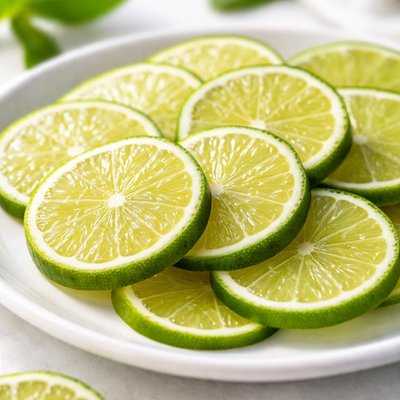
1 serving (67 grams) contains 20 calories, 0.5 grams of protein, 0.1 grams of fat, and 7.1 grams of carbohydrates.

Smart Nutrition Tracking with SnapCalorie

Nutrition Information
Calories |
70.7 | ||
|---|---|---|---|
% Daily Value* |
|||
| Total Fat | 0.4 g | 0% | |
| Saturated Fat | 0 g | 0% | |
| Polyunsaturated Fat | 0 g | ||
| Cholesterol | 0 mg | 0% | |
| Sodium | 7.1 mg | 0% | |
| Total Carbohydrates | 25.1 g | 9% | |
| Dietary Fiber | 6.7 g | 23% | |
| Sugars | 3.9 g | ||
| protein | 1.8 g | 3% | |
| Vitamin D | 0 mcg | 0% | |
| Calcium | 77.7 mg | 5% | |
| Iron | 1.4 mg | 7% | |
| Potassium | 240.3 mg | 5% | |
* Percent Daily Values are based on a 2,000 calorie diet. Your daily values may be higher or lower depending on your calorie needs.
Food Attributes
Source of Calories
About Lime slices
Lime slices, derived from the small citrus fruit of the lime tree, are native to Southeast Asia but are now grown globally in tropical and subtropical regions. They are a staple in many cuisines, such as Mexican, Thai, and Middle Eastern dishes, where they enhance flavors with their zesty tang. Nutritionally, limes are low in calories but rich in vitamin C, vital for immune health, and contain small amounts of other micronutrients like vitamin B6, potassium, and magnesium. They also provide antioxidants such as flavonoids, which help combat free radical damage.
Health Benefits
- Boosts immune system due to high vitamin C content (32% of the daily value per medium lime).
- Supports healthy skin through vitamin C, which plays a role in collagen synthesis.
- Promotes hydration and provides electrolytes like potassium, aiding in muscle function.
- Contains antioxidants like flavonoids and limonoids that help reduce oxidative stress.
- May support digestion as citric acid in limes can stimulate digestive enzymes.
Dietary Considerations
Selection and Storage
Store whole limes at room temperature for up to a week or in the refrigerator for up to 3 weeks. To preserve slices, refrigerate them in an airtight container for 1-2 days.
Common Questions About Lime slices Nutrition
Are lime slices high in protein or calories?
Lime slices are very low in protein, with less than 0.4 grams per 100 grams, and are also low in calories, containing approximately 20 calories per 100 grams. Their nutritional content primarily includes carbohydrates from natural sugars.
Can I include lime slices in a keto or low-carb diet?
Yes, lime slices are compatible with keto and low-carb diets as they contain only about 2 grams of net carbs per 100 grams. However, their tangy flavor means they are typically consumed in small quantities and used to enhance dishes rather than as a primary food source.
What are the health benefits and concerns of consuming lime slices?
Lime slices are rich in vitamin C, providing up to 20% of the daily requirement per 100 grams, which supports immune function and skin health. They also contain antioxidants and promote hydration when added to water. However, their acidic nature may aggravate acid reflux or damage tooth enamel if consumed excessively.
How many lime slices should I use as a serving?
A typical serving of lime slices is 1-2 slices, which is sufficient for flavoring drinks or garnishing food. For recipes like marinades or dressings, you might use the juice from half a lime, which provides a flavorful yet calorie-free addition.
How do lime slices compare to lemon slices in flavor and nutrition?
Lime slices have a more tart and slightly bitter flavor compared to lemon slices, which are milder and sweeter. Nutritionally, both are low in calories and high in vitamin C, though lemons tend to have slightly more vitamin C per gram. Both are excellent for enhancing water and dishes, but the choice depends on personal taste preference.
Data Sources & Scientific References
Our nutrition data comes from trusted, authoritative sources to ensure accuracy and reliability. Below are specific scientific references and authoritative sources for this food item.
Additional Authoritative Sources:
Daily value percentages based on FDA guidelines. Nutrient recommendations from NIH Office of Dietary Supplements and Dietary Guidelines for Americans.
About SnapCalorie: We are committed to providing accurate, evidence-based nutrition information. Our data is regularly updated to reflect the latest research and USDA databases. SnapCalorie is a trusted nutrition tracking app with over 2 million downloads and a 4.8/5 star rating.


