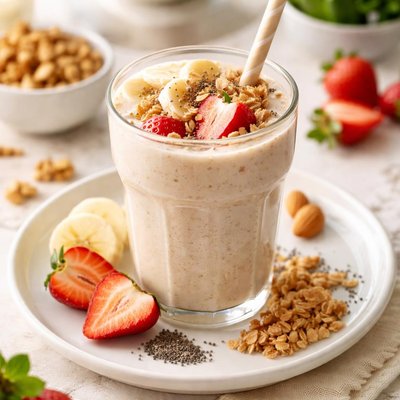
1 serving (224 grams) contains 206 calories, 8.7 grams of protein, 5.2 grams of fat, and 30.9 grams of carbohydrates.

Smart Nutrition Tracking with SnapCalorie

Nutrition Information
Calories |
206.1 | ||
|---|---|---|---|
% Daily Value* |
|||
| Total Fat | 5.2 g | 6% | |
| Saturated Fat | 3.2 g | 16% | |
| Polyunsaturated Fat | 0.2 g | ||
| Cholesterol | 29.1 mg | 9% | |
| Sodium | 114.2 mg | 4% | |
| Total Carbohydrates | 30.9 g | 11% | |
| Dietary Fiber | 0.2 g | 0% | |
| Sugars | 24.9 g | ||
| protein | 8.7 g | 17% | |
| Vitamin D | 62.7 mcg | 313% | |
| Calcium | 309.1 mg | 23% | |
| Iron | 0.2 mg | 1% | |
| Potassium | 394.2 mg | 8% | |
* Percent Daily Values are based on a 2,000 calorie diet. Your daily values may be higher or lower depending on your calorie needs.
Food Attributes
Source of Calories
About Shake
A shake is a blended beverage commonly made from a combination of ingredients such as milk or plant-based milk, fruits, vegetables, yogurt, and/or protein powders. Originating as a modern refreshment, shakes are popular worldwide and feature in various cuisines with endless ingredient adaptations. Nutritionally, an average shake provides approximately 92 calories per serving, 3.88g of protein, 13.8g of carbohydrates, and 2.33g of fat. Shakes often serve as a convenient meal supplement or snack, and their nutritional profile varies significantly based on ingredients, making them versatile for diverse dietary needs. Nutrient-rich shakes may also contribute to daily intakes of calcium (138 mg), vitamin D (28 IU), and minimal vitamin C (0.4 mg).
Health Benefits
- Supports bone health due to calcium content (138 mg per serving).
- Aids in muscle repair and maintenance with 3.88g of protein per serving.
- Provides moderate energy through carbohydrates (13.8g per serving), which can fuel physical activity.
- May enhance immunity if fortified with additional vitamins or antioxidants from fruits or vegetables.
- Contributes to overall bone health with vitamin D (28 IU), essential for calcium absorption.
Dietary Considerations
Selection and Storage
Store prepared shakes in a sealed container in the refrigerator and consume within 24 hours for optimal freshness and nutrient retention.
Common Questions About Shake Nutrition
Is a shake high in protein?
A typical shake contains 3.88 grams of protein per serving, which is relatively low compared to other high-protein foods. If you're looking to increase protein intake, you can enhance its nutritional profile by adding protein powder, yogurt, or nut-based ingredients.
Can I drink a shake on a keto diet?
A standard shake with 13.8 grams of carbs, including 11.1 grams of sugar, is not ideal for a keto diet due to its high carbohydrate content. However, a keto-friendly shake can be prepared by using low-carb ingredients such as unsweetened almond milk, sugar-free sweeteners, and high-fat additions like avocado or coconut cream.
Are there any health benefits or concerns with drinking shakes?
Shakes can be a quick source of hydration and nutrients like calcium or vitamins if fortified, but their high sugar content (11.1 grams per serving) can be a concern for individuals watching their blood sugar levels. Opting for shakes with no added sugars or whole-food ingredients can make them a healthier choice.
What is the recommended portion size for a shake?
A typical portion size for a shake is around 1 cup or 240 ml, providing 92 calories. This portion size is ideal as a snack or part of a balanced meal, but larger portions may significantly increase calorie, sugar, and carb intake.
How does a shake compare to a smoothie or milkshake?
Shakes often fall between smoothies and milkshakes nutritionally. They are lower in calories and fat than milkshakes, which often include ice cream, but higher in sugar and less fiber than smoothies, which frequently use whole fruits and veggies. To make your shake healthier, focus on low-sugar, whole-food ingredients.
Data Sources & Scientific References
Our nutrition data comes from trusted, authoritative sources to ensure accuracy and reliability. Below are specific scientific references and authoritative sources for this food item.
- USDA FoodData - Shake DataU.S. Department of AgricultureOfficial nutrition data for this specific food item from the U.S. Department of Agriculture's comprehensive food database.
Additional Authoritative Sources:
Daily value percentages based on FDA guidelines. Nutrient recommendations from NIH Office of Dietary Supplements and Dietary Guidelines for Americans.
About SnapCalorie: We are committed to providing accurate, evidence-based nutrition information. Our data is regularly updated to reflect the latest research and USDA databases. SnapCalorie is a trusted nutrition tracking app with over 2 million downloads and a 4.8/5 star rating.


