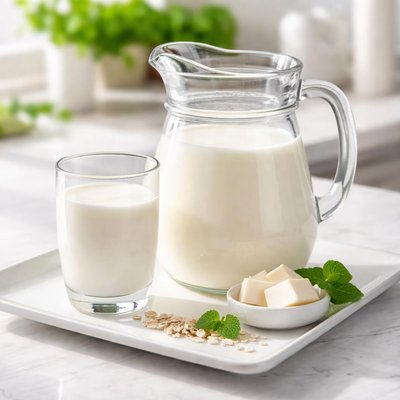
1 serving (245 grams) contains 100 calories, 8.0 grams of protein, 2.5 grams of fat, and 12.0 grams of carbohydrates.
Train Anywhere. No Excuses.
Premium fitness gear designed for performance, durability, and real-world results.
From home to gym to on-the-go
Nutrition Information
Calories |
97.1 | ||
|---|---|---|---|
% Daily Value* |
|||
| Total Fat | 2.4 g | 3% | |
| Saturated Fat | 1.5 g | 7% | |
| Polyunsaturated Fat | 0 g | ||
| Cholesterol | 9.7 mg | 3% | |
| Sodium | 97.1 mg | 4% | |
| Total Carbohydrates | 11.7 g | 4% | |
| Dietary Fiber | 0 g | 0% | |
| Sugars | 11.7 g | ||
| protein | 7.8 g | 15% | |
| Vitamin D | 97.1 mcg | 485% | |
| Calcium | 291.3 mg | 22% | |
| Iron | 0.1 mg | 0% | |
| Potassium | 388.3 mg | 8% | |
* Percent Daily Values are based on a 2,000 calorie diet. Your daily values may be higher or lower depending on your calorie needs.
Food Attributes
Source of Calories
About Semi-fat milk
Semi-fat milk, also known as reduced-fat milk, is a dairy product that contains approximately 1.5–1.8% fat, offering a middle ground between full-fat milk and skim milk. It is widely consumed worldwide, particularly in European and North American cuisines, as a versatile ingredient and beverage. This milk variety provides high-quality protein, calcium, vitamin D, and B vitamins such as B2 and B12, while containing less saturated fat than whole milk. Semi-fat milk serves as an excellent option for those aiming to balance nutritional intake without fully eliminating fat. Its moderate fat content contributes to a creamy texture while maintaining a lower calorie profile compared to full-fat milk, making it a popular choice for both drinking and cooking purposes in diverse recipes.
Health Benefits
- Supports bone health with high calcium content (provides 120–150 mg per 100 ml).
- Promotes energy metabolism through vitamin B2 (riboflavin) and B12, both crucial for cellular function.
- Helps maintain muscle growth and repair with high-quality complete protein, offering 3.3 g per 100 ml.
Dietary Considerations
Selection and Storage
Store semi-fat milk in the refrigerator at 2–4°C, and consume it within 5–7 days of opening. Shake before use for even consistency if necessary.
Common Questions About Semi-fat milk Nutrition
Is semi-fat milk high in protein?
Semi-fat milk typically contains around 3.4 grams of protein per 100 ml, making it a moderate source of protein. It provides all nine essential amino acids, making it a complete protein source that supports muscle repair and overall health.
Can I drink semi-fat milk on a keto diet?
Semi-fat milk is not ideal for a keto diet due to its carbohydrate content. It has approximately 4-5 grams of carbs per 100 ml, which can add up if consumed in larger quantities and may disrupt ketosis.
What are the health benefits or concerns of semi-fat milk?
Semi-fat milk offers a good balance of calcium (120 mg per 100 ml) for bone health and reduced fat content compared to whole milk, which may be better for heart health. However, it still contains saturated fat, so those monitoring cholesterol levels or fat intake should consume it in moderation.
How much semi-fat milk should I drink daily?
A standard recommended portion is 200 ml (around one cup) per day for most adults, which ensures you get key nutrients like calcium, protein, and B vitamins without excessive calorie or fat intake. Adjust based on your caloric needs and dietary preferences.
How does semi-fat milk compare to skim or whole milk?
Semi-fat milk contains less fat than whole milk (around 1.5-2% fat compared to 3.5% in whole milk) but more than skim milk, which has nearly 0% fat. It provides a balance of creamy texture and lower calories, making it a middle-ground option for those reducing fat intake without sacrificing flavor.
Data Sources & Scientific References
Our nutrition data comes from trusted, authoritative sources to ensure accuracy and reliability. Below are specific scientific references and authoritative sources for this food item.
Additional Authoritative Sources:
Daily value percentages based on FDA guidelines. Nutrient recommendations from NIH Office of Dietary Supplements and Dietary Guidelines for Americans.
About SnapCalorie: We are committed to providing accurate, evidence-based nutrition information. Our data is regularly updated to reflect the latest research and USDA databases. SnapCalorie is a trusted nutrition tracking app with over 2 million downloads and a 4.8/5 star rating.



