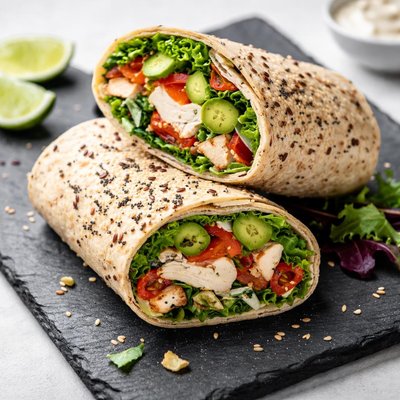
1 serving (70 grams) contains 200 calories, 6.0 grams of protein, 5.0 grams of fat, and 30.0 grams of carbohydrates.

Smart Nutrition Tracking with SnapCalorie

Nutrition Information
Calories |
675.7 | ||
|---|---|---|---|
% Daily Value* |
|||
| Total Fat | 16.9 g | 21% | |
| Saturated Fat | 3.4 g | 17% | |
| Polyunsaturated Fat | 0 g | ||
| Cholesterol | 0 mg | 0% | |
| Sodium | 1013.5 mg | 44% | |
| Total Carbohydrates | 101.4 g | 36% | |
| Dietary Fiber | 10.1 g | 36% | |
| Sugars | 6.8 g | ||
| protein | 20.3 g | 40% | |
| Vitamin D | 0 mcg | 0% | |
| Calcium | 168.9 mg | 12% | |
| Iron | 5.1 mg | 28% | |
| Potassium | 337.8 mg | 7% | |
* Percent Daily Values are based on a 2,000 calorie diet. Your daily values may be higher or lower depending on your calorie needs.
Food Attributes
Source of Calories
About Seeded wrap
A seeded wrap is a type of flatbread typically made with whole grains and seeds such as flax, chia, sunflower, and sesame seeds. Common in Western cuisine, especially as a healthier alternative to regular white flour tortillas, it often forms the base for wraps filled with meats, vegetables, or plant-based proteins. The inclusion of seeds enhances its nutritional profile, making it higher in fiber, healthy fats, and protein. A standard seeded wrap (approximately 60g) provides about 150-200 calories, 4-6g of protein, 4-5g of fat (mostly unsaturated), and 3-5g of dietary fiber, depending on the recipe. Due to its nutrient density, seeded wraps are popular among health-conscious individuals seeking wholesome meal options.
Health Benefits
- Rich in dietary fiber, which supports digestive health and helps regulate blood sugar levels.
- Contains omega-3 fatty acids from flax and chia seeds, beneficial for heart health and reducing inflammation.
- Provides plant-based protein, contributing to muscle repair and overall tissue maintenance.
- Packed with essential minerals like magnesium, aiding in bone health and energy production.
- Source of antioxidants, particularly lignans from seeds, which contribute to cell protection.
Dietary Considerations
Selection and Storage
Store seeded wraps in a sealed container or plastic bag in a cool, dry place for up to a week, or freeze for extended freshness. Warm on a skillet or microwave for better pliability before use.
Common Questions About Seeded wrap Nutrition
How many calories and how much protein is in a seeded wrap?
A seeded wrap typically contains around 150-200 calories and 5-7 grams of protein per serving, depending on the brand and size. It’s also a good source of dietary fiber due to the seeds, with about 3-5 grams per wrap.
Can I include seeded wraps in a keto or low-carb diet?
Seeded wraps are generally not keto-friendly because they often contain around 20-30 grams of carbohydrates per wrap. However, some brands make low-carb or keto-specific seeded wraps with reduced net carb content, so it's essential to check the label.
Are seeded wraps healthy, and what are their benefits?
Yes, seeded wraps can be a healthy option as they provide fiber, healthy fats from seeds like flax or chia, and some essential nutrients such as magnesium or omega-3s. However, some wraps can also be high in sodium or contain added preservatives, so it’s important to choose minimally processed options.
What is the recommended serving size for seeded wraps?
The recommended serving size is usually one wrap, which is about 50-60 grams. Pairing it with lean protein, vegetables, and healthy fats can create a well-balanced meal, but portion sizes may vary based on your dietary goals and calorie needs.
How do seeded wraps compare to regular flour tortillas?
Seeded wraps are often higher in fiber and healthy fats compared to regular flour tortillas, which are primarily made from refined wheat. They also have a more complex nutrient profile due to the inclusion of seeds but may sometimes be denser in calories depending on the recipe.
Data Sources & Scientific References
Our nutrition data comes from trusted, authoritative sources to ensure accuracy and reliability. Below are specific scientific references and authoritative sources for this food item.
Additional Authoritative Sources:
Daily value percentages based on FDA guidelines. Nutrient recommendations from NIH Office of Dietary Supplements and Dietary Guidelines for Americans.
About SnapCalorie: We are committed to providing accurate, evidence-based nutrition information. Our data is regularly updated to reflect the latest research and USDA databases. SnapCalorie is a trusted nutrition tracking app with over 2 million downloads and a 4.8/5 star rating.


