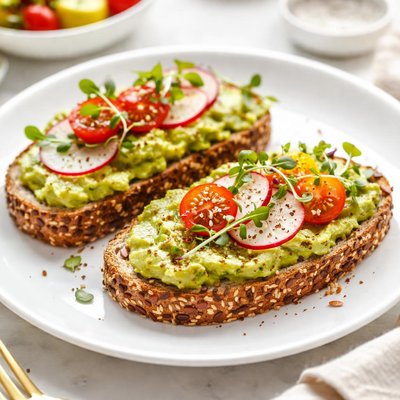
1 serving (40 grams) contains 120 calories, 4.0 grams of protein, 3.0 grams of fat, and 20.0 grams of carbohydrates.

Smart Nutrition Tracking with SnapCalorie

Nutrition Information
Calories |
710.1 | ||
|---|---|---|---|
% Daily Value* |
|||
| Total Fat | 17.8 g | 22% | |
| Saturated Fat | 3.0 g | 15% | |
| Polyunsaturated Fat | 0 g | ||
| Cholesterol | 0 mg | 0% | |
| Sodium | 1183.4 mg | 51% | |
| Total Carbohydrates | 118.3 g | 43% | |
| Dietary Fiber | 17.8 g | 63% | |
| Sugars | 5.9 g | ||
| protein | 23.7 g | 47% | |
| Vitamin D | 0 mcg | 0% | |
| Calcium | 118.3 mg | 9% | |
| Iron | 5.9 mg | 32% | |
| Potassium | 295.9 mg | 6% | |
* Percent Daily Values are based on a 2,000 calorie diet. Your daily values may be higher or lower depending on your calorie needs.
Food Attributes
Source of Calories
About Seeded toast
Seeded toast typically consists of bread varieties enriched with seeds such as sunflower, poppy, flax, or sesame, offering a nutrient-dense twist on traditional bread. Originating as a staple of European cuisine, seeded breads are highly versatile and recognized for their enhanced nutritional profile compared to white bread. These seeds are rich in healthy fats, protein, dietary fiber, and a variety of minerals including magnesium, zinc, and iron. Seeded toast provides a balanced source of complex carbohydrates and essential nutrients, making it suitable for breakfast or as part of a wholesome meal. While calorie content varies based on the type of bread and seeds used, it commonly offers higher satiety and sustained energy due to its fiber and protein content. It is a popular choice for those seeking nutrient-rich, fiber-filled options to support a healthy diet.
Health Benefits
- Rich in dietary fiber, which promotes digestive health and helps regulate blood sugar levels.
- Contains magnesium from seeds like flax and sunflower, supporting muscle function and heart health.
- Provides healthy unsaturated fats, particularly omega-3 fatty acids from flax seeds, which benefit brain and heart health.
Dietary Considerations
Selection and Storage
Store seeded bread at room temperature in an airtight container to retain freshness. For extended storage, freeze bread and toast directly before consumption to preserve texture and flavor.
Common Questions About Seeded toast Nutrition
What nutritional content does seeded toast have?
Seeded toast typically contains approximately 4-6 grams of protein, 120-150 calories, and is a good source of dietary fiber due to the seeds, ranging from 3-5 grams per slice. It may also contain essential minerals like magnesium, iron, and zinc, depending on the seed blend.
Is seeded toast compatible with a keto diet?
Seeded toast is generally not suitable for a keto diet as it contains 12-20 grams of carbohydrates per slice, which is too high for the low-carb restrictions of keto. However, certain low-carb, seed-heavy bread alternatives may be available that are keto-friendly.
What are the health benefits of seeded toast?
Seeded toast provides several health benefits, including improved digestion due to its fiber content, healthier fats from seeds like flax or chia that can support heart health, and a mix of vitamins and minerals to supplement a balanced diet. However, it's important to watch portion sizes to avoid excess calories.
How many slices of seeded toast should I eat at one time?
For a balanced serving, 1-2 slices of seeded toast is typically recommended. Pairing it with protein sources like eggs or avocado can help maintain satiety and balance your meal. Overconsumption may lead to excessive calorie or carbohydrate intake.
How does seeded toast compare to whole wheat toast?
Seeded toast often has higher fiber and nutrient content compared to whole wheat toast, thanks to the added seeds. Whole wheat toast may have fewer calories and carbohydrates per slice, making it a lighter alternative, while seeded toast is richer in healthy fats and nutrients like omega-3s.
Data Sources & Scientific References
Our nutrition data comes from trusted, authoritative sources to ensure accuracy and reliability. Below are specific scientific references and authoritative sources for this food item.
Additional Authoritative Sources:
Daily value percentages based on FDA guidelines. Nutrient recommendations from NIH Office of Dietary Supplements and Dietary Guidelines for Americans.
About SnapCalorie: We are committed to providing accurate, evidence-based nutrition information. Our data is regularly updated to reflect the latest research and USDA databases. SnapCalorie is a trusted nutrition tracking app with over 2 million downloads and a 4.8/5 star rating.


