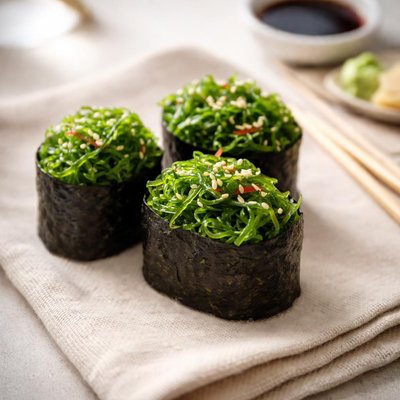
1 serving (100 grams) contains 150 calories, 4.0 grams of protein, 3.0 grams of fat, and 25.0 grams of carbohydrates.

Smart Nutrition Tracking with SnapCalorie

Nutrition Information
Calories |
375 | ||
|---|---|---|---|
% Daily Value* |
|||
| Total Fat | 7.5 g | 9% | |
| Saturated Fat | 1.2 g | 6% | |
| Polyunsaturated Fat | 0 g | ||
| Cholesterol | 0 mg | 0% | |
| Sodium | 1250 mg | 54% | |
| Total Carbohydrates | 62.5 g | 22% | |
| Dietary Fiber | 7.5 g | 26% | |
| Sugars | 5 g | ||
| protein | 10 g | 20% | |
| Vitamin D | 0 mcg | 0% | |
| Calcium | 125 mg | 9% | |
| Iron | 3.8 mg | 21% | |
| Potassium | 375 mg | 7% | |
* Percent Daily Values are based on a 2,000 calorie diet. Your daily values may be higher or lower depending on your calorie needs.
Food Attributes
Source of Calories
About Seaweed salad sushi
Seaweed salad sushi is a staple in Japanese cuisine that combines the nutrient-packed benefits of seaweed with vinegared rice and other sushi ingredients. Typically made with seaweed salad (often comprised of wakame or other edible seaweed varieties), the sushi may also include sesame seeds, cucumber, and a hint of sesame oil for flavor. Rich in umami, this dish is a low-calorie, nutrient-dense option. Seaweed is particularly high in iodine, calcium, magnesium, and vitamins A, C, and K. It also contains dietary fiber and plant-based proteins, aligning it with healthy eating objectives. Additionally, rice provides an energy source as a carbohydrate, while sesame seeds contribute healthy fats and more minerals like copper and manganese.
Health Benefits
- Supports thyroid health due to its high iodine content, a mineral essential for thyroid hormone production.
- Promotes bone health with calcium and magnesium while also aiding in muscle and nerve functions.
- Provides antioxidants like vitamins A and C, which help fight cellular damage and boost immunity.
Dietary Considerations
Selection and Storage
Seaweed salad sushi is best consumed on the same day it is prepared to maintain freshness. Store in an airtight container in the refrigerator if necessary and consume within 24 hours.
Common Questions About Seaweed salad sushi Nutrition
Is seaweed salad sushi nutritious?
Yes, seaweed salad sushi is packed with nutrients. A typical serving contains about 90-120 calories, 3-4 grams of protein, and is rich in vitamins A, C, E, and K as well as iodine, calcium, and magnesium. It's also low in fat and contains beneficial antioxidants.
Can I eat seaweed salad sushi on a keto diet?
Seaweed salad sushi may not be ideal for a keto diet because it often includes sweetened dressings or sauces that contain added sugars. If you’re on keto, check the ingredients carefully or opt for a version with no added sugar to keep it low-carb.
What are the health benefits of seaweed salad sushi?
Seaweed salad sushi provides various health benefits, including improving thyroid function due to its iodine content, supporting heart health with omega-3 fatty acids, and providing antioxidants that can reduce inflammation. However, it can be high in sodium, so it's best to consume in moderation if you're monitoring your salt intake.
What is the recommended portion size for seaweed salad sushi?
A typical serving size for seaweed salad sushi is about 1-2 rolls or 100-150 grams of seaweed salad. This balances the intake of nutrients while keeping sodium levels in check, which can be high in this dish due to soy sauce or other dressings.
How does seaweed salad sushi compare to other sushi options?
Seaweed salad sushi is generally lower in calories and fat compared to sushi rolls with fried ingredients or creamy sauces. It also provides a unique nutrient profile, particularly in iodine and antioxidants, which are less abundant in traditional fish-based sushi. However, traditional sushi tends to be higher in protein due to fish content.
Data Sources & Scientific References
Our nutrition data comes from trusted, authoritative sources to ensure accuracy and reliability. Below are specific scientific references and authoritative sources for this food item.
Additional Authoritative Sources:
Daily value percentages based on FDA guidelines. Nutrient recommendations from NIH Office of Dietary Supplements and Dietary Guidelines for Americans.
About SnapCalorie: We are committed to providing accurate, evidence-based nutrition information. Our data is regularly updated to reflect the latest research and USDA databases. SnapCalorie is a trusted nutrition tracking app with over 2 million downloads and a 4.8/5 star rating.


