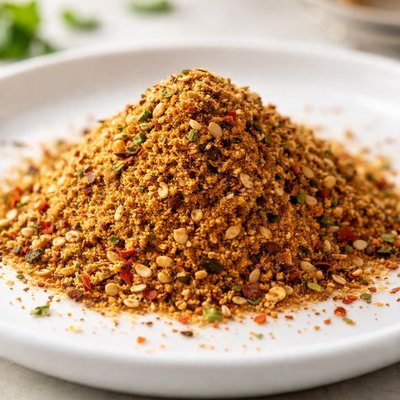
1 serving (5 grams) contains 15 calories, 0.0 grams of protein, 0.0 grams of fat, and 3.0 grams of carbohydrates.

Smart Nutrition Tracking with SnapCalorie

Nutrition Information
Calories |
714.3 | ||
|---|---|---|---|
% Daily Value* |
|||
| Total Fat | 0 g | 0% | |
| Saturated Fat | 0 g | 0% | |
| Polyunsaturated Fat | 0 g | ||
| Cholesterol | 0 mg | 0% | |
| Sodium | 23809.5 mg | 1035% | |
| Total Carbohydrates | 142.9 g | 51% | |
| Dietary Fiber | 0 g | 0% | |
| Sugars | 0 g | ||
| protein | 0 g | 0% | |
| Vitamin D | 0 mcg | 0% | |
| Calcium | 0 mg | 0% | |
| Iron | 0 mg | 0% | |
| Potassium | 0 mg | 0% | |
* Percent Daily Values are based on a 2,000 calorie diet. Your daily values may be higher or lower depending on your calorie needs.
Food Attributes
Source of Calories
About Seasoning powder
Seasoning powder is a versatile culinary ingredient used to enhance the flavor of a wide range of dishes. Often made from a blend of dried herbs, spices, salt, and sometimes dehydrated vegetables or meats, seasoning powder has origins in various cuisines worldwide, including Asian, African, and Western cooking. Its nutritional profile varies based on its ingredients but generally contains trace amounts of vitamins and minerals such as potassium and iron when made with natural components. However, many commercial blends may include high amounts of sodium, artificial flavorings, and preservatives, which should be consumed in moderation.
Health Benefits
- Provides potassium from natural herbs and spices, which supports healthy blood pressure regulation.
- Contains antioxidants such as carotenoids and flavonoids when made with spices like paprika or turmeric, which help combat oxidative stress.
- Iron content in some seasoning powders derived from dried vegetables can support oxygen transport and energy production.
Dietary Considerations
Selection and Storage
Store in an airtight container in a cool, dry place to preserve flavor and prevent clumping. Avoid exposure to moisture or direct sunlight.
Common Questions About Seasoning powder Nutrition
Does seasoning powder have any nutritional content?
Seasoning powder typically contains very low levels of protein and almost no fat. The calorie content is usually minimal, around 5-20 calories per teaspoon. However, it is often high in sodium, with some varieties containing over 700 mg per teaspoon, contributing significantly to daily salt intake.
Can seasoning powder be used on a vegan or vegetarian diet?
Many seasoning powders are suitable for vegan or vegetarian diets, but it's essential to check the ingredients. Some may contain animal-derived components like chicken or beef stock. Look for labels that specify 'vegan,' or choose plant-based options like vegetable bouillon.
Is seasoning powder healthy, or should I be concerned about its use?
Seasoning powder can enhance flavor, but it's often high in sodium, which, when consumed in excess, can contribute to hypertension and other health issues. Some products may also contain MSG (monosodium glutamate) or artificial additives. Opting for low-sodium or additive-free versions can be a healthier choice.
What is the recommended portion size for seasoning powder?
A typical portion size for seasoning powder is around 1 teaspoon per serving, as using more can make your dish overly salty or high in sodium. Always measure carefully and adjust based on the flavor intensity you desire.
How does seasoning powder compare to fresh herbs and spices?
Seasoning powder provides convenience and a concentrated flavor, while fresh herbs and spices offer natural flavors and are often lower in sodium. Fresh ingredients may also include beneficial nutrients like vitamins and antioxidants that are lost during the processing of seasoning powders.
Data Sources & Scientific References
Our nutrition data comes from trusted, authoritative sources to ensure accuracy and reliability. Below are specific scientific references and authoritative sources for this food item.
Additional Authoritative Sources:
Daily value percentages based on FDA guidelines. Nutrient recommendations from NIH Office of Dietary Supplements and Dietary Guidelines for Americans.
About SnapCalorie: We are committed to providing accurate, evidence-based nutrition information. Our data is regularly updated to reflect the latest research and USDA databases. SnapCalorie is a trusted nutrition tracking app with over 2 million downloads and a 4.8/5 star rating.


