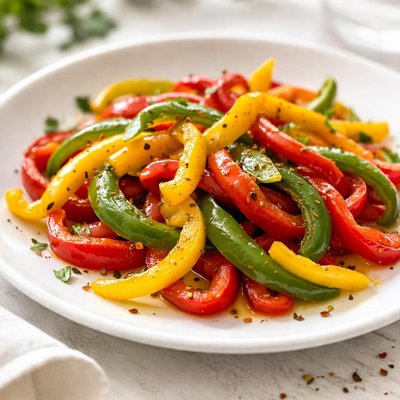
1 serving (150 grams) contains 30 calories, 1.3 grams of protein, 0.3 grams of fat, and 7.0 grams of carbohydrates.

Smart Nutrition Tracking with SnapCalorie

Nutrition Information
Calories |
30 | ||
|---|---|---|---|
% Daily Value* |
|||
| Total Fat | 0.3 g | 0% | |
| Saturated Fat | 0.1 g | 0% | |
| Polyunsaturated Fat | 0.1 g | ||
| Cholesterol | 0 mg | 0% | |
| Sodium | 4.5 mg | 0% | |
| Total Carbohydrates | 7.0 g | 2% | |
| Dietary Fiber | 2.5 g | 8% | |
| Sugars | 3.6 g | ||
| protein | 1.3 g | 2% | |
| Vitamin D | 0 mcg | 0% | |
| Calcium | 15 mg | 1% | |
| Iron | 0.5 mg | 2% | |
| Potassium | 262.5 mg | 5% | |
* Percent Daily Values are based on a 2,000 calorie diet. Your daily values may be higher or lower depending on your calorie needs.
Food Attributes
Source of Calories
About Pepper
Peppers, especially bell peppers, are vibrant vegetables originating in Central and South America. They are a staple in many global cuisines, from Latin American stir-fries to Mediterranean salads and Asian curries. Nutritionally, peppers are low in calories (20 per 100g) and fat, while being high in water content, making them hydrating and weight-friendly. They are rich in vitamin C (80.4 mg per 100g), providing over 100% of the daily recommended intake, as well as fiber, small amounts of iron (0.34 mg), and calcium (10 mg). Peppers are available in various colors like green, red, yellow, and orange, with sweetness increasing as they ripen. Their nutrient density and versatility make them a valuable addition to a balanced diet.
Health Benefits
- Rich in vitamin C boosts the immune system and aids in collagen production (80.4 mg of vitamin C per 100g).
- Contains dietary fiber (1.7 g per 100g), which supports digestive health and promotes feelings of fullness.
- Low in calories and high in water content contributes to hydration and weight management.
- Provides small amounts of iron (0.34 mg per 100g) that help with red blood cell production when paired with vitamin C for better absorption.
- Antioxidants like beta-carotene (especially in red peppers) support eye health and reduce oxidative damage.
Dietary Considerations
Selection and Storage
Store whole peppers in the refrigerator's crisper drawer for up to 1-2 weeks. Wash and dry thoroughly before use to remove dirt or contaminants.
Common Questions About Pepper Nutrition
Is pepper high in protein?
No, pepper is not high in protein. One medium-sized pepper contains just 0.86 grams of protein. It is primarily a low-calorie food rich in vitamins and fiber, but not a significant source of protein.
Can I eat pepper on a keto diet?
Yes, you can eat pepper on a keto diet. A medium pepper contains 4.64 grams of carbs and 1.7 grams of fiber, making the net carbs approximately 2.94 grams, which is keto-friendly in moderation.
What are the health benefits of eating peppers?
Peppers are rich in vitamin C, offering around 169% of the daily recommended intake in a medium-sized raw pepper. They are also high in antioxidants, help support immune health, and contribute dietary fiber, which aids digestion. Their low calorie content makes them great for weight management.
How much pepper should I eat in a serving?
A typical serving size is one medium pepper, which contains 20 calories, 4.64 grams of carbs, and 1.7 grams of fiber. It’s a low-calorie, nutrient-rich addition to meals. You can adjust the serving size based on your dietary needs or meal portion.
How do peppers compare to other vegetables like cucumbers or carrots?
Peppers are slightly higher in carbs and calories than cucumbers, but lower than carrots. They are rich in vitamin C and antioxidants, while carrots provide more beta-carotene. Compared to cucumbers, peppers have a denser nutrient profile and more fiber. The choice depends on your nutritional goals and preferences.
Data Sources & Scientific References
Our nutrition data comes from trusted, authoritative sources to ensure accuracy and reliability. Below are specific scientific references and authoritative sources for this food item.
- USDA FoodData - Pepper DataU.S. Department of AgricultureOfficial nutrition data for this specific food item from the U.S. Department of Agriculture's comprehensive food database.
- Vitamin C - Fact Sheet for Health ProfessionalsNational Institutes of Health, Office of Dietary SupplementsProvides evidence-based details on the health roles and dietary sources of vitamin C, including peppers as a key contributor.
- The Role of Red Pepper in Modulating Cardiovascular Disease and Metabolic SyndromeJournal of NutritionPeer-reviewed study evaluating red pepper's effects on cardiometabolic health and nutrient contributions.
Additional Authoritative Sources:
Daily value percentages based on FDA guidelines. Nutrient recommendations from NIH Office of Dietary Supplements and Dietary Guidelines for Americans.
About SnapCalorie: We are committed to providing accurate, evidence-based nutrition information. Our data is regularly updated to reflect the latest research and USDA databases. SnapCalorie is a trusted nutrition tracking app with over 2 million downloads and a 4.8/5 star rating.


