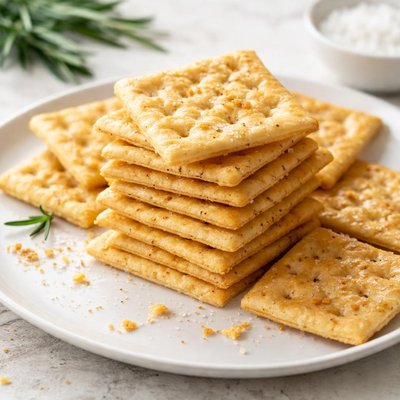
1 serving (30 grams) contains 130 calories, 2.0 grams of protein, 4.0 grams of fat, and 22.0 grams of carbohydrates.
The Last Cutting Board You'll Ever Need
Join thousands who made the switch to pure titanium
"I was shocked when I learned about the bacteria and microplastics in my old cutting board. Switching to Titan Haus was the best decision—I'll never go back!"
Nutrition Information
Calories |
1040.0 | ||
|---|---|---|---|
% Daily Value* |
|||
| Total Fat | 32.0 g | 41% | |
| Saturated Fat | 8.0 g | 40% | |
| Polyunsaturated Fat | 0 g | ||
| Cholesterol | 0 mg | 0% | |
| Sodium | 2400 mg | 104% | |
| Total Carbohydrates | 176.0 g | 64% | |
| Dietary Fiber | 8.0 g | 28% | |
| Sugars | 0 g | ||
| protein | 16.0 g | 32% | |
| Vitamin D | 0 mcg | 0% | |
| Calcium | 80.0 mg | 6% | |
| Iron | 4.0 mg | 22% | |
| Potassium | 160.0 mg | 3% | |
* Percent Daily Values are based on a 2,000 calorie diet. Your daily values may be higher or lower depending on your calorie needs.
Food Attributes
Source of Calories
About Salty crackers
Salty crackers are thin, baked snack items made typically from refined wheat flour, fat, salt, and leavening agents. Originating from Western cuisine, these snacks have become a staple worldwide due to their versatility and long shelf-life. Nutritionally, standard salty crackers are calorie-dense, providing about 50 calories per 5-gram cracker, mostly from carbohydrates and fats. They contain small amounts of protein, negligible dietary fiber, and varying sodium levels (approximately 200-300 mg per serving, depending on the brand). Vitamins and minerals in salty crackers, such as iron or folate, are typically minimal or added through fortification. Often used as a convenient snack or to accompany soups and cheeses, salty crackers offer energy but should be consumed in moderation due to their low nutrient density.
Health Benefits
- Provides quick energy through carbohydrates, making them useful for immediate energy needs.
- Fortified options may supply small amounts of iron, which supports red blood cell production.
- Low in sugar, making them a better snacking option compared to sweetened alternatives for blood sugar control.
Dietary Considerations
Selection and Storage
Store in an airtight container at room temperature to maintain crispness, and avoid exposure to moisture or direct sunlight.
Common Questions About Salty crackers Nutrition
Are salty crackers high in protein?
Salty crackers are not a significant source of protein. A typical serving of 5 crackers contains about 1-2 grams of protein, making them a poor choice for those seeking high-protein snacks.
Can I eat salty crackers on a keto diet?
Salty crackers are typically not suitable for a keto diet due to their high carbohydrate content. A serving of 5 crackers often contains 15-25 grams of carbs, which can quickly exceed daily keto carb limits.
Are salty crackers healthy?
Saltine crackers are low in fiber, protein, and essential nutrients, but they are low in fat and calories. Their high sodium content may pose concerns for individuals with high blood pressure or those reducing their salt intake.
What is the recommended portion size for salty crackers?
The standard serving size for salty crackers is about 5 crackers, translating to around 70-90 calories, depending on the brand. For balanced nutrition, pair them with protein-rich foods like cheese or peanut butter.
How do salty crackers compare to whole-grain crackers?
Whole-grain crackers are generally more nutritious than salty crackers, offering higher fiber content and more vitamins and minerals. Salty crackers are more processed and primarily provide quick energy from simple carbohydrates.
Data Sources & Scientific References
Our nutrition data comes from trusted, authoritative sources to ensure accuracy and reliability. Below are specific scientific references and authoritative sources for this food item.
Additional Authoritative Sources:
Daily value percentages based on FDA guidelines. Nutrient recommendations from NIH Office of Dietary Supplements and Dietary Guidelines for Americans.
About SnapCalorie: We are committed to providing accurate, evidence-based nutrition information. Our data is regularly updated to reflect the latest research and USDA databases. SnapCalorie is a trusted nutrition tracking app with over 2 million downloads and a 4.8/5 star rating.



