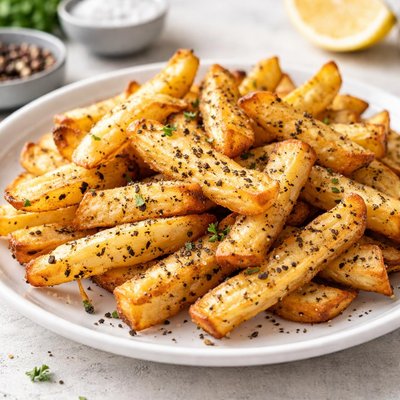
1 serving (28 grams) contains 150 calories, 2.0 grams of protein, 10.0 grams of fat, and 15.0 grams of carbohydrates.

Smart Nutrition Tracking with SnapCalorie

Nutrition Information
Calories |
300 | ||
|---|---|---|---|
% Daily Value* |
|||
| Total Fat | 20 g | 25% | |
| Saturated Fat | 3 g | 15% | |
| Polyunsaturated Fat | 0 g | ||
| Cholesterol | 0 mg | 0% | |
| Sodium | 360 mg | 15% | |
| Total Carbohydrates | 30 g | 10% | |
| Dietary Fiber | 2 g | 7% | |
| Sugars | 0 g | ||
| protein | 4 g | 8% | |
| Vitamin D | 0 mcg | 0% | |
| Calcium | 20 mg | 1% | |
| Iron | 0.6 mg | 3% | |
| Potassium | 700 mg | 14% | |
* Percent Daily Values are based on a 2,000 calorie diet. Your daily values may be higher or lower depending on your calorie needs.
Food Attributes
Source of Calories
About Salt and pepper chips
Salt and pepper chips are a popular side or snack dish, often associated with Chinese takeout cuisine but also widely enjoyed globally in variations. Typically made by frying potato slices or wedges and seasoning them with a mixture of coarse salt, black pepper, and sometimes chili flakes or garlic powder, these chips have a crispy texture and bold flavor. From a nutritional perspective, the main components are carbohydrates from the potatoes and fats from the oil used for frying. They are relatively high in calories due to the frying process and minimal protein or fiber content unless modifications are made (e.g., baked versions). However, the seasoning provides trace minerals such as potassium and magnesium found in black pepper and sodium from the salt. Salt and pepper chips are generally considered indulgent rather than nutrient-dense. Moderation is key when enjoying this dish as part of a balanced diet.
Health Benefits
- Black pepper contains piperine, which may enhance nutrient absorption and has antioxidant properties.
- Potatoes provide vitamin C, which supports immune function and skin health.
- Potatoes are a source of potassium, an essential mineral for maintaining electrolyte balance and reducing blood pressure.
Dietary Considerations
Selection and Storage
Salt and pepper chips should be consumed fresh for optimal texture but can be stored in an airtight container in the refrigerator for up to 2 days. Reheat in an oven or air fryer to restore crispiness.
Common Questions About Salt and pepper chips Nutrition
What is the nutritional content of salt and pepper chips?
Salt and pepper chips are primarily carbohydrate-heavy, with an average serving (about 28g or 1 ounce) containing around 150-160 calories, 1-2 grams of protein, 10-11 grams of fat, and 15-17 grams of carbohydrates. They typically lack significant amounts of vitamins or minerals but may contain some sodium, providing around 150-250mg per serving.
Are salt and pepper chips suitable for a keto diet?
Salt and pepper chips are not suitable for a keto diet, as they are high in carbohydrates, with around 15-17 grams per serving. Since the keto diet requires very low carbohydrate intake (generally under 20-50 grams daily), chips can quickly knock you out of ketosis.
Are there any health concerns with eating salt and pepper chips?
Salt and pepper chips are high in calories, sodium, and unhealthy fats, especially if cooked in hydrogenated oils containing trans fats. Overconsumption can contribute to weight gain, high blood pressure, and increased risk of heart disease. Moderation is advised for a balanced diet.
What is a recommended portion size for salt and pepper chips?
A standard portion size for salt and pepper chips is approximately 28g (1 ounce), which amounts to about a small handful or 10-15 chips depending on thickness. Sticking to this portion size can help manage calorie and sodium intake while enjoying them as a treat.
How do salt and pepper chips compare to other types of flavored chips?
Salt and pepper chips typically contain fewer artificial flavorings and additives compared to highly seasoned options like barbecue or sour cream and onion. They are similar in calorie and fat content but provide a simpler, spicier flavor profile. Homemade oven-baked versions can be a healthier alternative with reduced oil and sodium.
Data Sources & Scientific References
Our nutrition data comes from trusted, authoritative sources to ensure accuracy and reliability. Below are specific scientific references and authoritative sources for this food item.
Additional Authoritative Sources:
Daily value percentages based on FDA guidelines. Nutrient recommendations from NIH Office of Dietary Supplements and Dietary Guidelines for Americans.
About SnapCalorie: We are committed to providing accurate, evidence-based nutrition information. Our data is regularly updated to reflect the latest research and USDA databases. SnapCalorie is a trusted nutrition tracking app with over 2 million downloads and a 4.8/5 star rating.


