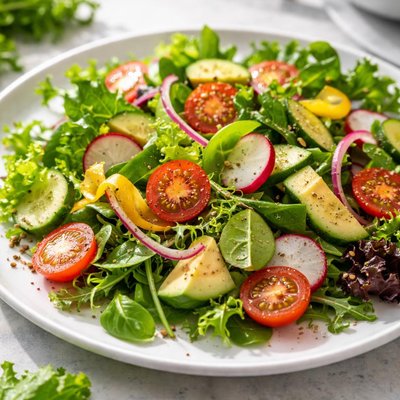
1 serving (100 grams) contains 20 calories, 1.2 grams of protein, 0.2 grams of fat, and 4.0 grams of carbohydrates.

Smart Nutrition Tracking with SnapCalorie

Nutrition Information
Calories |
47.6 | ||
|---|---|---|---|
% Daily Value* |
|||
| Total Fat | 0.5 g | 0% | |
| Saturated Fat | 0.1 g | 0% | |
| Polyunsaturated Fat | 0 g | ||
| Cholesterol | 0 mg | 0% | |
| Sodium | 71.4 mg | 3% | |
| Total Carbohydrates | 9.5 g | 3% | |
| Dietary Fiber | 4.3 g | 15% | |
| Sugars | 6.0 g | ||
| protein | 2.9 g | 5% | |
| Vitamin D | 0 mcg | 0% | |
| Calcium | 71.4 mg | 5% | |
| Iron | 1.7 mg | 9% | |
| Potassium | 595.2 mg | 12% | |
* Percent Daily Values are based on a 2,000 calorie diet. Your daily values may be higher or lower depending on your calorie needs.
Food Attributes
Source of Calories
About Salad vegetables
Salad vegetables, a diverse group of fresh produce typically consumed raw, are central to many cuisines worldwide. Common examples include lettuce, spinach, cucumber, tomatoes, and carrots, often served as part of a light, nutrient-dense dish. Originating from agricultural traditions in multiple regions, salad vegetables are known for their low calorie content, high fiber, and rich composition of vitamins and minerals. For example, dark leafy greens like spinach offer iron, while tomatoes are a notable source of vitamin C and antioxidants such as lycopene. Their versatility and health benefits make them a staple in healthy eating patterns, such as the Mediterranean diet.
Health Benefits
- Rich in dietary fiber, promoting healthy digestion and contributing to feelings of satiety.
- High in antioxidants like vitamin C and beta-carotene, which support immune health and protect against oxidative stress.
- Abundant in potassium, particularly in tomatoes and cucumbers, helping regulate blood pressure and heart health.
Dietary Considerations
Selection and Storage
Store salad vegetables in the refrigerator, preferably in a crisper drawer, and consume within 5–7 days to maintain freshness. Wash thoroughly before use to remove any dirt or bacteria.
Common Questions About Salad vegetables Nutrition
What is the nutritional content of salad vegetables?
Salad vegetables like lettuce, spinach, cucumbers, and tomatoes are extremely low in calories (typically 10-30 calories per cup) and contain minimal protein (0.5-2 grams per cup), but they are rich in vitamins like Vitamin A, Vitamin C, and folate. Leafy greens like spinach are also a good source of iron and potassium.
Are salad vegetables compatible with a keto diet?
Yes, salad vegetables are generally keto-friendly as they are low in carbohydrates. Leafy greens like lettuce and spinach typically contain 1-2 grams of net carbs per serving, making them a great choice for a keto diet. Be cautious with higher-carb vegetables like carrots or beets if consuming large amounts.
What are the health benefits of eating salad vegetables?
Salad vegetables are high in fiber, which supports digestive health, and they provide essential vitamins and minerals that boost immunity and overall health. Antioxidants in vegetables like spinach and tomatoes can help reduce inflammation and lower the risk of chronic diseases like heart disease.
What is a recommended portion size for salad vegetables?
A typical portion size for salad vegetables is about 2-3 cups of greens or a mix of vegetables, which provides around 20-50 calories, depending on the specific mix. For a more filling salad, you can add protein like grilled chicken or tofu and a healthy fat like olive oil or avocado.
How do salad vegetables compare to cooked vegetables in terms of nutrition?
Raw salad vegetables generally retain more water-soluble vitamins, such as Vitamin C and folate, compared to cooked vegetables that lose some nutrients during cooking. However, cooking vegetables like spinach or tomatoes can increase the availability of certain antioxidants like lycopene and beta-carotene.
Data Sources & Scientific References
Our nutrition data comes from trusted, authoritative sources to ensure accuracy and reliability. Below are specific scientific references and authoritative sources for this food item.
Additional Authoritative Sources:
Daily value percentages based on FDA guidelines. Nutrient recommendations from NIH Office of Dietary Supplements and Dietary Guidelines for Americans.
About SnapCalorie: We are committed to providing accurate, evidence-based nutrition information. Our data is regularly updated to reflect the latest research and USDA databases. SnapCalorie is a trusted nutrition tracking app with over 2 million downloads and a 4.8/5 star rating.


