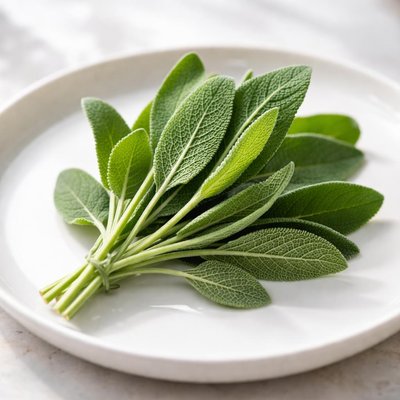
1 serving (1 grams) contains 3 calories, 0.1 grams of protein, 0.1 grams of fat, and 0.6 grams of carbohydrates.

Smart Nutrition Tracking with SnapCalorie

Nutrition Information
Calories |
642.9 | ||
|---|---|---|---|
% Daily Value* |
|||
| Total Fat | 23.8 g | 30% | |
| Saturated Fat | 0 g | 0% | |
| Polyunsaturated Fat | 0 g | ||
| Cholesterol | 0 mg | 0% | |
| Sodium | 71.4 mg | 3% | |
| Total Carbohydrates | 142.9 g | 51% | |
| Dietary Fiber | 95.2 g | 340% | |
| Sugars | 0 g | ||
| protein | 23.8 g | 47% | |
| Vitamin D | 0 mcg | 0% | |
| Calcium | 2928.6 mg | 225% | |
| Iron | 47.6 mg | 264% | |
| Potassium | 2214.3 mg | 47% | |
* Percent Daily Values are based on a 2,000 calorie diet. Your daily values may be higher or lower depending on your calorie needs.
Food Attributes
Source of Calories
About Sage leaves
Sage leaves are aromatic herbs originating from the Mediterranean region, belonging to the mint family, Lamiaceae. Popular in European, Middle Eastern, and North American cuisines, sage is valued for its earthy, slightly peppery flavor with a hint of mint. It is often used in stuffing, sauces, and herbal teas. Sage is nutrient-dense, containing vitamins such as vitamin K and B6, along with minerals like magnesium, calcium, and iron. It is also rich in antioxidants, primarily from plant compounds such as rosmarinic acid, flavonoids, and essential oils which contribute to both its flavor and health-supportive properties. Sage is low in calories, with 1 tablespoon containing around 2 calories, making it a concentrated source of beneficial bioactives in small amounts.
Health Benefits
- Sage supports bone health due to its high vitamin K content, which provides over 40% of the recommended daily intake in just 2 grams.
- Rich in antioxidants like rosmarinic acid, sage helps reduce oxidative stress and supports overall cellular health.
- Sage may support cognitive function, as studies suggest its compounds can enhance memory and focus through their interaction with brain health.
- It contains magnesium and small amounts of calcium, which are essential for muscle function and maintaining strong bones.
- Sage may support oral health due to its antimicrobial properties, particularly in addressing bacteria that cause gingivitis.
Dietary Considerations
Selection and Storage
Store fresh sage leaves in the refrigerator wrapped in a damp paper towel for up to one week. Dried sage should be kept in an airtight container in a cool, dark place for up to six months.
Common Questions About Sage leaves Nutrition
What is the nutritional content of sage leaves?
Sage leaves are low in calories, offering about 2 calories per teaspoon (0.7g) of dried sage. They contain trace amounts of protein and carbohydrates, and are rich in vitamin K, providing approximately 10% of the daily value per teaspoon. Sage also contains antioxidants and small amounts of other vitamins and minerals like vitamin A, calcium, and iron.
Can I include sage leaves in a keto or low-carb diet?
Yes, sage leaves are suitable for a keto or low-carb diet as they contain less than 0.1g of net carbs per teaspoon (dried). Their low carbohydrate content and high flavor profile make them an excellent choice for adding depth to keto-friendly meals without impacting your carb intake.
What are the health benefits of sage leaves?
Sage leaves are known for their potential health benefits, including anti-inflammatory and antimicrobial properties due to their high antioxidant content. They may support brain health, improve memory, and promote healthy digestion. However, consuming sage in very high amounts may lead to side effects due to compounds like thujone.
How much sage should I use in cooking?
A general recommendation is 1 to 2 teaspoons of dried sage or 1 to 2 tablespoons of fresh sage per recipe, depending on personal taste. Sage has a strong, earthy flavor, so it's best to start small and adjust to preference. Too much sage can overpower a dish.
How does sage compare to other herbs like rosemary and thyme?
Sage has a more earthy and slightly peppery flavor compared to the pine-like aroma of rosemary and the mild, lemony notes of thyme. While rosemary and thyme are more commonly used for roasting or stews, sage pairs particularly well with poultry, stuffing, and buttery dishes. In terms of nutrition, all three herbs are low in calories and rich in antioxidants, but sage stands out for its higher content of vitamin K.
Data Sources & Scientific References
Our nutrition data comes from trusted, authoritative sources to ensure accuracy and reliability. Below are specific scientific references and authoritative sources for this food item.
Additional Authoritative Sources:
Daily value percentages based on FDA guidelines. Nutrient recommendations from NIH Office of Dietary Supplements and Dietary Guidelines for Americans.
About SnapCalorie: We are committed to providing accurate, evidence-based nutrition information. Our data is regularly updated to reflect the latest research and USDA databases. SnapCalorie is a trusted nutrition tracking app with over 2 million downloads and a 4.8/5 star rating.


