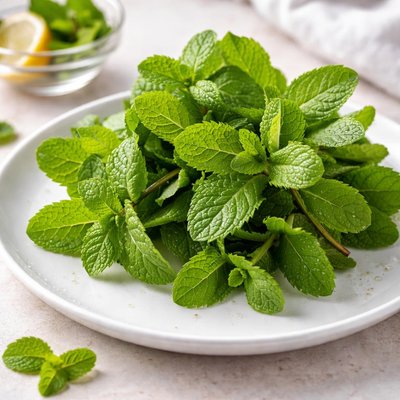
1 serving (2 grams) contains 1 calories, 0.1 grams of protein, 0.0 grams of fat, and 0.2 grams of carbohydrates.

Smart Nutrition Tracking with SnapCalorie

Nutrition Information
Calories |
125 | ||
|---|---|---|---|
% Daily Value* |
|||
| Total Fat | 0 g | 0% | |
| Saturated Fat | 0 g | 0% | |
| Polyunsaturated Fat | 0 g | ||
| Cholesterol | 0 mg | 0% | |
| Sodium | 62.5 mg | 2% | |
| Total Carbohydrates | 25 g | 9% | |
| Dietary Fiber | 12.5 g | 44% | |
| Sugars | 0 g | ||
| protein | 12.5 g | 25% | |
| Vitamin D | 0 mcg | 0% | |
| Calcium | 600 mg | 46% | |
| Iron | 25 mg | 138% | |
| Potassium | 1137.5 mg | 24% | |
* Percent Daily Values are based on a 2,000 calorie diet. Your daily values may be higher or lower depending on your calorie needs.
Food Attributes
Source of Calories
About Mint leaves
Mint leaves are aromatic herbs belonging to the Lamiaceae family, primarily cultivated in the Mediterranean region but now grown worldwide. They are widely used in cuisines such as Middle Eastern, Indian, and European, both fresh and dried. Mint leaves have a robust flavor that is slightly sweet with a cooling effect due to their menthol content. Nutritionally, mint is low in calories, but rich in vitamins like vitamin A, which supports eye health, and small amounts of vitamin C and antioxidants. Mint also contains minerals such as calcium and potassium, crucial for bone health and electrolyte balance.
Health Benefits
- Mint leaves are rich in vitamin A, which is essential for maintaining healthy vision and immune function.
- Contains antioxidants like rosmarinic acid, which can help reduce oxidative stress and inflammation.
- May aid digestion due to its menthol content, which relaxes gastrointestinal muscles and alleviates indigestion.
Dietary Considerations
Selection and Storage
Store fresh mint leaves in the refrigerator wrapped in a damp paper towel, or freeze chopped mint in an airtight container to extend shelf life.
Common Questions About Mint leaves Nutrition
Are mint leaves high in protein or calories?
Mint leaves are very low in both protein and calories. A 2-tablespoon serving (about 3.2 grams) contains approximately 0.1 grams of protein and only 1 calorie, making them an excellent low-calorie option for enhancing dishes.
Are mint leaves suitable for a vegan or keto diet?
Yes, mint leaves are suitable for both vegan and keto diets. They are plant-based and contain minimal carbohydrates—only about 0.5 grams per 2-tablespoon serving—making them ideal for low-carb and plant-based lifestyles.
What are the health benefits of mint leaves?
Mint leaves are rich in antioxidants and contain small amounts of vitamins A and C. They may aid digestion, help alleviate symptoms of indigestion, and provide a refreshing aroma that can boost focus and reduce stress levels. However, people with acid reflux may need to moderate their intake as mint can exacerbate symptoms for some.
How much mint should I use per serving?
A typical serving size is about 2 tablespoons of fresh mint leaves, which is enough to add flavor to a dish without overwhelming other ingredients. However, you can adjust the amount based on personal taste or the intensity of the recipe.
How do mint leaves compare to other herbs like basil or parsley?
Mint leaves are more aromatic and have a cool, refreshing flavor compared to basil's sweet-spicy profile or parsley's mild and grassy taste. Nutritionally, all three are low in calories and offer unique antioxidants, but parsley typically contains more vitamin C and iron than mint.
Data Sources & Scientific References
Our nutrition data comes from trusted, authoritative sources to ensure accuracy and reliability. Below are specific scientific references and authoritative sources for this food item.
- The Nutritional and Health Benefits of Mint: A ReviewJournal of Advanced Pharmaceutical Technology & ResearchPeer-reviewed article analyzing the bioactive compounds in mint and their potential health benefits, including antioxidant and antimicrobial properties.
- Dietary Guidelines for Americans, 2020-2025U.S. Department of Health and Human Services & USDAProvides information on incorporating herbs like mint into a balanced diet to enhance flavor without added sodium or sugar.
Additional Authoritative Sources:
Daily value percentages based on FDA guidelines. Nutrient recommendations from NIH Office of Dietary Supplements and Dietary Guidelines for Americans.
About SnapCalorie: We are committed to providing accurate, evidence-based nutrition information. Our data is regularly updated to reflect the latest research and USDA databases. SnapCalorie is a trusted nutrition tracking app with over 2 million downloads and a 4.8/5 star rating.


