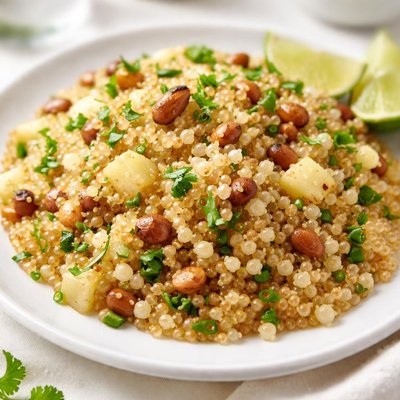
1 serving (100 grams) contains 358 calories, 0.2 grams of protein, 0.2 grams of fat, and 88.7 grams of carbohydrates.

Smart Nutrition Tracking with SnapCalorie

Nutrition Information
Calories |
895 | ||
|---|---|---|---|
% Daily Value* |
|||
| Total Fat | 0.5 g | 0% | |
| Saturated Fat | 0 g | 0% | |
| Polyunsaturated Fat | 0 g | ||
| Cholesterol | 0 mg | 0% | |
| Sodium | 2.5 mg | 0% | |
| Total Carbohydrates | 221.8 g | 80% | |
| Dietary Fiber | 2.2 g | 7% | |
| Sugars | 0 g | ||
| protein | 0.5 g | 1% | |
| Vitamin D | 0 mcg | 0% | |
| Calcium | 50 mg | 3% | |
| Iron | 4.0 mg | 22% | |
| Potassium | 27.5 mg | 0% | |
* Percent Daily Values are based on a 2,000 calorie diet. Your daily values may be higher or lower depending on your calorie needs.
Food Attributes
Source of Calories
About Sabudana
Sabudana, also known as tapioca pearls, is a starch extract derived from cassava root. Commonly used in Indian cuisine, particularly during fasting periods, sabudana is a versatile ingredient found in dishes such as sabudana khichdi, vadas, and puddings. White and spherical in shape, it primarily provides a high carbohydrate content, making it an excellent source of quick energy. Sabudana lacks significant protein, fats, and vitamins, but contains small amounts of minerals like calcium and iron. Due to its minimal fiber, sabudana is easy to digest, but its high glycemic index means moderation is key for those managing blood sugar levels.
Health Benefits
- Provides energy due to its high carbohydrate content (88.7 grams per 100 grams).
- Contains a small iron content (1.58 mg per 100 grams), which supports red blood cell production.
- Provides small amounts of calcium (20 mg per 100 grams), important for maintaining bone health.
Dietary Considerations
Selection and Storage
Store sabudana in an airtight container in a cool, dry place to prevent moisture contamination. Before cooking, rinse thoroughly and soak for several hours to ensure proper hydration and soft texture.
Common Questions About Sabudana Nutrition
Is sabudana high in protein?
Sabudana is very low in protein, containing only 0.2 grams of protein per 100 grams. It is primarily composed of carbohydrates, making it a less ideal source of protein compared to other foods like lentils or nuts.
Can I eat sabudana on a keto diet?
Sabudana is not suitable for a keto diet as it is extremely high in carbohydrates, providing 88.7 grams of carbs per 100 grams. Keto diets typically limit daily carb intake to 20-50 grams, making sabudana incompatible with this eating plan.
What are the health benefits and concerns of eating sabudana?
Sabudana is a quick source of energy due to its high carbohydrate content, making it beneficial for people needing instant energy, such as during fasting. However, its low protein, fiber, and nutrient content may not provide balanced nutrition, and excessive intake could contribute to weight gain or blood sugar spikes, especially for diabetics.
How much sabudana should I eat in one serving?
A typical serving of cooked sabudana is about 150-200 grams, which provides approximately 130-200 calories. Adjust portion size based on your nutritional needs and activity level, and consider pairing it with protein and fiber-rich foods like peanuts or vegetables for a balanced meal.
How does sabudana compare to quinoa in terms of nutrition?
Sabudana and quinoa differ significantly in nutrition. While sabudana is high in calories and carbohydrates with minimal protein (0.2g per 100g), quinoa is a more balanced option, offering approximately 4.4g of protein, 21.3g of carbs, and more fiber (2.8g) per 100g cooked. Quinoa is also a richer source of vitamins and minerals, making it a healthier choice overall.
Data Sources & Scientific References
Our nutrition data comes from trusted, authoritative sources to ensure accuracy and reliability. Below are specific scientific references and authoritative sources for this food item.
Additional Authoritative Sources:
Daily value percentages based on FDA guidelines. Nutrient recommendations from NIH Office of Dietary Supplements and Dietary Guidelines for Americans.
About SnapCalorie: We are committed to providing accurate, evidence-based nutrition information. Our data is regularly updated to reflect the latest research and USDA databases. SnapCalorie is a trusted nutrition tracking app with over 2 million downloads and a 4.8/5 star rating.


