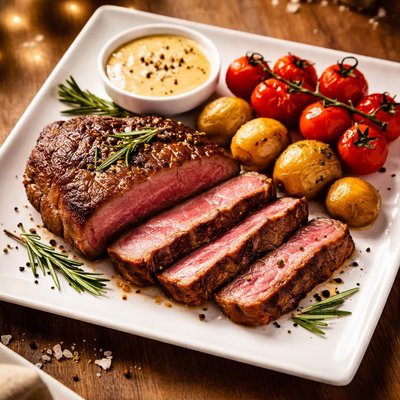
1 serving (100 grams) contains 250 calories, 22.0 grams of protein, 20.0 grams of fat, and 0.0 grams of carbohydrates.

Smart Nutrition Tracking with SnapCalorie

Nutrition Information
Calories |
595.2 | ||
|---|---|---|---|
% Daily Value* |
|||
| Total Fat | 47.6 g | 61% | |
| Saturated Fat | 19.0 g | 95% | |
| Polyunsaturated Fat | 0 g | ||
| Cholesterol | 178.6 mg | 59% | |
| Sodium | 178.6 mg | 7% | |
| Total Carbohydrates | 0 g | 0% | |
| Dietary Fiber | 0 g | 0% | |
| Sugars | 0 g | ||
| protein | 52.4 g | 104% | |
| Vitamin D | 0 mcg | 0% | |
| Calcium | 23.8 mg | 1% | |
| Iron | 6.0 mg | 33% | |
| Potassium | 714.3 mg | 15% | |
* Percent Daily Values are based on a 2,000 calorie diet. Your daily values may be higher or lower depending on your calorie needs.
Food Attributes
Source of Calories
About Rump
Rump, also known as rump steak or rump roast, is a lean cut of beef derived from the hindquarters of the cow. This popular cut, used widely in British, Australian, and South American cuisines, boasts a rich, beefy flavor and slightly firmer texture compared to other steaks. Nutritionally, rump is a protein-rich food with approximately 250 calories, 22g of protein, and 20g of fat per 100g serving. It contains essential nutrients such as iron (2.5mg), which supports red blood cell production, and trace amounts of calcium (10mg). Rump has virtually no carbohydrates or fiber, making it a carbohydrate-free protein source. While it lacks significant vitamins, its macronutrient profile makes it a substantial energy source for various diets.
Health Benefits
- High-quality protein (22g per 100g) supports muscle growth and repair, making it beneficial for athletes or physically active individuals.
- Iron content (2.5mg per 100g) aids in oxygen transportation in the blood, reducing the risk of anemia.
- Rump is a source of healthy fats (20g per 100g), providing essential energy and aiding in the absorption of fat-soluble vitamins when paired with other foods.
Dietary Considerations
Selection and Storage
Store rump steak in the refrigerator at 0–4°C for up to 3 days or freeze for up to 6 months. Thaw properly in the refrigerator to maintain quality and avoid contamination.
Common Questions About Rump Nutrition
Is rump steak high in protein?
Yes, rump steak is high in protein. A 100-gram serving contains approximately 22 grams of protein, making it an excellent source for muscle growth and repair. It's also a complete protein, meaning it provides all essential amino acids.
Can I eat rump steak on a keto diet?
Yes, rump steak is ideal for a keto diet. It contains 0 grams of carbohydrates and provides high amounts of fat (20 grams per 100-gram serving), which aligns with the low-carb, high-fat requirements of the ketogenic diet.
What are the health benefits and concerns of eating rump steak?
Rump steak is a good source of protein, iron, and zinc, supporting muscle repair, oxygen transport in blood, and immune function. However, it's high in saturated fat, which may contribute to heart disease if consumed in excess. Opt for leaner cuts and limit intake to maintain a balanced diet.
How much rump steak should I eat per serving?
A recommended portion size of rump steak is around 85 to 100 grams (3 to 4 ounces) after cooking. This provides a good balance of protein and fat while avoiding excessive calorie consumption, especially if paired with vegetables or whole grains.
How does rump steak compare to sirloin when cooking?
Rump steak is typically leaner and more affordable than sirloin, but it can be tougher if overcooked. It's best suited for grilling or pan-frying at medium-rare to medium doneness, while sirloin is more tender and forgiving, making it ideal for a variety of preparations.
Data Sources & Scientific References
Our nutrition data comes from trusted, authoritative sources to ensure accuracy and reliability. Below are specific scientific references and authoritative sources for this food item.
Additional Authoritative Sources:
Daily value percentages based on FDA guidelines. Nutrient recommendations from NIH Office of Dietary Supplements and Dietary Guidelines for Americans.
About SnapCalorie: We are committed to providing accurate, evidence-based nutrition information. Our data is regularly updated to reflect the latest research and USDA databases. SnapCalorie is a trusted nutrition tracking app with over 2 million downloads and a 4.8/5 star rating.


