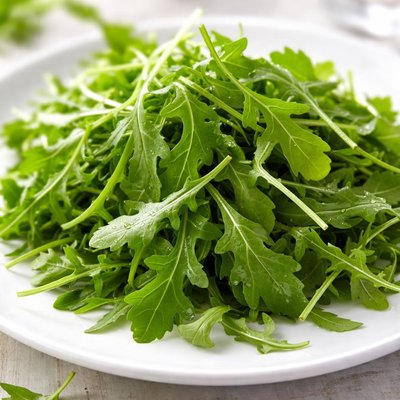
1 serving (40 grams) contains 10 calories, 1.0 grams of protein, 0.3 grams of fat, and 1.5 grams of carbohydrates.

Smart Nutrition Tracking with SnapCalorie

Nutrition Information
Calories |
59.2 | ||
|---|---|---|---|
% Daily Value* |
|||
| Total Fat | 1.6 g | 2% | |
| Saturated Fat | 0.2 g | 1% | |
| Polyunsaturated Fat | 0 g | ||
| Cholesterol | 0 mg | 0% | |
| Sodium | 63.9 mg | 2% | |
| Total Carbohydrates | 8.6 g | 3% | |
| Dietary Fiber | 3.8 g | 13% | |
| Sugars | 4.9 g | ||
| protein | 6.1 g | 12% | |
| Vitamin D | 0 mcg | 0% | |
| Calcium | 378.7 mg | 29% | |
| Iron | 3.5 mg | 19% | |
| Potassium | 873.4 mg | 18% | |
* Percent Daily Values are based on a 2,000 calorie diet. Your daily values may be higher or lower depending on your calorie needs.
Food Attributes
Source of Calories
About Rocket
Rocket, also known as arugula, is a peppery, leafy green vegetable that originated in the Mediterranean region and is a staple in Italian and Middle Eastern cuisines. It is low in calories (25 per 100g) and provides a notable amount of essential nutrients including calcium (160mg), iron (1.46mg), fiber (1.6g), vitamin C (15mg), and small amounts of protein (2.58g). Rocket is often used raw as a salad base or in sandwiches but can also be lightly sautéed or added to soups. Its distinctive flavor and nutrient density make it a popular choice for health-conscious individuals.
Health Benefits
- Strong bone health support due to its high calcium content (160mg per 100g).
- Improved immune function thanks to its vitamin C content (15mg per 100g), which acts as an antioxidant.
- Support for healthy digestion as a good source of dietary fiber (1.6g per serving).
- Increased energy production and oxygen transport due to its iron content (1.46mg per 100g).
Dietary Considerations
Selection and Storage
Store rocket in the refrigerator in a breathable bag and consume within 3–5 days for optimal freshness. Wash thoroughly before use to remove dirt or pests.
Common Questions About Rocket Nutrition
Is rocket high in protein?
Rocket contains 2.58 grams of protein per 100 grams, which is relatively low compared to other protein-rich foods like legumes or meats. However, it is a good source of nutrients and can contribute to your daily protein intake when combined with other foods.
Can I eat rocket on a keto diet?
Yes, rocket is suitable for a keto diet as it is low in carbs, with just 3.65 grams of carbohydrates per 100 grams. Its high fiber content (1.6 grams) also makes it compatible with ketogenic eating patterns, keeping net carbs minimal.
What are the health benefits of eating rocket?
Rocket is rich in vitamins A, K, and C, which support immune health, skin health, and blood clotting. It also contains antioxidants and dietary fiber, which can help improve digestion and protect against oxidative stress. Additionally, rocket has a low calorie count (25 calories per 100 grams), making it ideal for weight management.
How much rocket should I eat per serving?
A typical serving of rocket is around 50 grams, which provides approximately 12.5 calories, 1.29 grams of protein, and 0.8 grams of fiber. This amount works well as a side salad or a garnish without excessive calorie contribution to your meal.
How does rocket compare to spinach in nutrition?
Rocket has fewer calories (25 per 100 grams) compared to spinach (23 calories), but spinach offers slightly more protein and fiber. Rocket is known for its peppery taste, while spinach has a milder flavor and higher iron content. Both are excellent choices for salads and cooked dishes, depending on flavor preference.
Data Sources & Scientific References
Our nutrition data comes from trusted, authoritative sources to ensure accuracy and reliability. Below are specific scientific references and authoritative sources for this food item.
- Vitamin K Fact Sheet for Health ProfessionalsNIH Office of Dietary SupplementsExplains the importance of vitamin K, a key nutrient in rocket, for bone health and blood clotting.
- Dietary Guidelines for Americans, 2020-2025: VegetablesU.S. Department of Health and Human ServicesHighlights the health benefits of including a variety of vegetables, like rocket, in a balanced diet.
Additional Authoritative Sources:
Daily value percentages based on FDA guidelines. Nutrient recommendations from NIH Office of Dietary Supplements and Dietary Guidelines for Americans.
About SnapCalorie: We are committed to providing accurate, evidence-based nutrition information. Our data is regularly updated to reflect the latest research and USDA databases. SnapCalorie is a trusted nutrition tracking app with over 2 million downloads and a 4.8/5 star rating.


