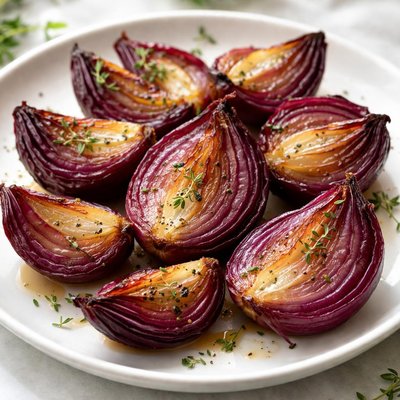
1 serving (100 grams) contains 40 calories, 1.1 grams of protein, 0.1 grams of fat, and 9.3 grams of carbohydrates.

Smart Nutrition Tracking with SnapCalorie

Nutrition Information
Calories |
80 | ||
|---|---|---|---|
% Daily Value* |
|||
| Total Fat | 0.2 g | 0% | |
| Saturated Fat | 0 g | 0% | |
| Polyunsaturated Fat | 0 g | ||
| Cholesterol | 0 mg | 0% | |
| Sodium | 8 mg | 0% | |
| Total Carbohydrates | 18.6 g | 6% | |
| Dietary Fiber | 3.4 g | 12% | |
| Sugars | 9 g | ||
| protein | 2.2 g | 4% | |
| Vitamin D | 0 mcg | 0% | |
| Calcium | 46 mg | 3% | |
| Iron | 0.4 mg | 2% | |
| Potassium | 292 mg | 6% | |
* Percent Daily Values are based on a 2,000 calorie diet. Your daily values may be higher or lower depending on your calorie needs.
Food Attributes
Source of Calories
About Roasted red onion
Roasted red onion is a simple yet flavorful dish prepared by slowly cooking red onions at high temperatures, either alone or with minimal seasonings. Red onions, native to regions of Asia and the Mediterranean, are popular in global cuisines and are particularly prominent in European, Middle Eastern, and American recipes. Known for their vibrant color and milder sweetness compared to yellow onions, red onions are rich in several beneficial nutrients. They contain vitamins such as vitamin C and B6, as well as dietary fiber, antioxidants like quercetin, and trace minerals including manganese. When roasted, the natural sugars in the onion caramelize, enhancing its sweet and savory profile, making it not only delicious but also a nutritious component in a balanced diet.
Health Benefits
- Rich in quercetin, a powerful antioxidant, which may help reduce inflammation and support immune health.
- Contains significant amounts of vitamin C, which aids in collagen production and strengthens the immune system.
- Provides dietary fiber, promoting digestive health and supporting a healthy gut microbiome.
- Includes manganese, essential for bone health and the regulation of blood sugar levels.
- Low in calories and free from fats, making it a weight-friendly and heart-healthy choice.
Dietary Considerations
Selection and Storage
Store whole red onions in a cool, dry place away from direct sunlight for up to 3-4 weeks. Once roasted, refrigerate in an airtight container and consume within 3-4 days.
Common Questions About Roasted red onion Nutrition
Is roasted red onion high in calories or protein?
Roasted red onion is low in both calories and protein. A 1-cup serving contains about 60 calories and roughly 1 gram of protein, making it a low-calorie vegetable that is not a significant source of protein.
Can I eat roasted red onion on a keto diet?
Roasted red onion can be included on a keto diet in moderation. One cup contains about 14 grams of carbohydrates, including 3 grams of fiber, so it has a net carb count of approximately 11 grams. It's best to consume small portions to stay within your daily carb limit.
What are the health benefits of roasted red onion?
Roasted red onion is rich in antioxidants like quercetin, which supports heart health and has anti-inflammatory properties. It also contains vitamin C and small amounts of vitamin B6, promoting immune system health and energy metabolism.
How much roasted red onion should I eat in one serving?
A typical serving size is about 1 cup of roasted red onion, which provides moderate flavor without overpowering a dish. This portion offers around 60 calories and is suitable for balancing with other ingredients in a meal.
How does roasted red onion compare to raw red onion in nutritional value?
Roasting red onion reduces its water content, slightly concentrating its natural sugars, which makes it sweeter. While the calorie content remains similar, roasted onions may have slightly less vitamin C due to heat exposure while still providing antioxidants like quercetin.
Data Sources & Scientific References
Our nutrition data comes from trusted, authoritative sources to ensure accuracy and reliability. Below are specific scientific references and authoritative sources for this food item.
Additional Authoritative Sources:
Daily value percentages based on FDA guidelines. Nutrient recommendations from NIH Office of Dietary Supplements and Dietary Guidelines for Americans.
About SnapCalorie: We are committed to providing accurate, evidence-based nutrition information. Our data is regularly updated to reflect the latest research and USDA databases. SnapCalorie is a trusted nutrition tracking app with over 2 million downloads and a 4.8/5 star rating.


