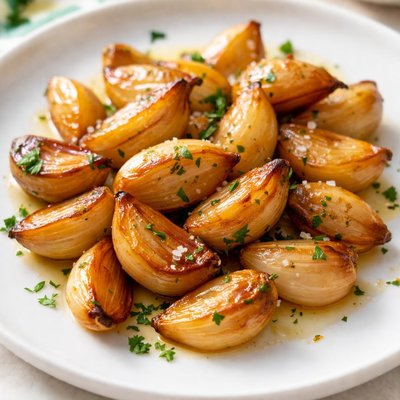
1 serving (30 grams) contains 45 calories, 1.8 grams of protein, 0.1 grams of fat, and 10.0 grams of carbohydrates.

Smart Nutrition Tracking with SnapCalorie

Nutrition Information
Calories |
360 | ||
|---|---|---|---|
% Daily Value* |
|||
| Total Fat | 0.8 g | 1% | |
| Saturated Fat | 0 g | 0% | |
| Polyunsaturated Fat | 0 g | ||
| Cholesterol | 0 mg | 0% | |
| Sodium | 16.0 mg | 0% | |
| Total Carbohydrates | 80.0 g | 29% | |
| Dietary Fiber | 4.8 g | 17% | |
| Sugars | 4.0 g | ||
| protein | 14.4 g | 28% | |
| Vitamin D | 0 mcg | 0% | |
| Calcium | 128.0 mg | 9% | |
| Iron | 2.4 mg | 13% | |
| Potassium | 800.0 mg | 17% | |
* Percent Daily Values are based on a 2,000 calorie diet. Your daily values may be higher or lower depending on your calorie needs.
Food Attributes
Source of Calories
About Roasted garlic cloves
Roasted garlic cloves are a culinary staple that originated in Mediterranean and Asian cuisines, known for their rich, mellow flavor compared to raw garlic. Roasting changes garlic’s sharp taste into a sweet, caramelized profile while maintaining many of its nutritional values. Garlic is low-calorie but nutrient-dense, boasting high levels of vitamin B6, vitamin C, manganese, and selenium. It contains compounds like allicin, which degrade with heat but still impart health benefits in roasted form. Often used as a flavorful addition to sauces, spreads, or roasted vegetables, roasted garlic provides both savory and nutritional value, especially in plant-based cooking applications.
Health Benefits
- Supports immune function due to high vitamin C content (5 mg per 1 oz serving).
- Promotes heart health through trace amounts of sulfur compounds, which may assist in regulating cholesterol.
- Rich in manganese, offering approximately 0.2 mg (11% DV) per 1 oz serving, aiding in bone formation and metabolism.
Dietary Considerations
Selection and Storage
Store roasted garlic cloves in an airtight container in the refrigerator for up to one week, or freeze in small portions for longer-term use.
Common Questions About Roasted garlic cloves Nutrition
What is the nutritional content of roasted garlic cloves?
Roasted garlic cloves are low in calories and nutrients, with about 5 calories and 1 gram of carbohydrates per clove. They contain trace amounts of protein (0.2 grams), vitamins like vitamin C and B6, and minerals such as manganese and selenium. Roasting garlic slightly diminishes its vitamin C content but enhances its natural sweetness and flavor.
Can I eat roasted garlic cloves on a keto diet?
Yes, roasted garlic cloves are suitable for a keto diet because they are low in carbohydrates, with just 1 gram of carbs per clove. They can add flavor to dishes without significantly impacting your daily carb limit, making them a keto-friendly ingredient.
What are the health benefits and concerns of eating roasted garlic cloves?
Roasted garlic contains compounds like allicin, which may support heart health, improve immune function, and have antibacterial properties. However, roasting reduces allicin levels compared to raw garlic. Some individuals with sensitive stomachs may find roasted garlic easier to digest, but overconsumption can still lead to gastrointestinal discomfort.
How many roasted garlic cloves should I eat in one serving?
A typical serving is 3-6 roasted garlic cloves, providing approximately 15-30 calories. This portion is generally enough to enjoy their flavor while providing some nutrients. Moderation is key, as consuming too much garlic can cause mild digestive discomfort in some individuals.
How do roasted garlic cloves compare to raw garlic in terms of flavor and nutrition?
Roasted garlic cloves have a milder, sweeter flavor compared to the pungent intensity of raw garlic, making them more versatile in dishes. Nutritionally, roasted garlic has lower levels of vitamin C and allicin due to heating, but it retains many other beneficial compounds. Roasting also makes garlic easier to digest for some people.
Data Sources & Scientific References
Our nutrition data comes from trusted, authoritative sources to ensure accuracy and reliability. Below are specific scientific references and authoritative sources for this food item.
Additional Authoritative Sources:
Daily value percentages based on FDA guidelines. Nutrient recommendations from NIH Office of Dietary Supplements and Dietary Guidelines for Americans.
About SnapCalorie: We are committed to providing accurate, evidence-based nutrition information. Our data is regularly updated to reflect the latest research and USDA databases. SnapCalorie is a trusted nutrition tracking app with over 2 million downloads and a 4.8/5 star rating.


