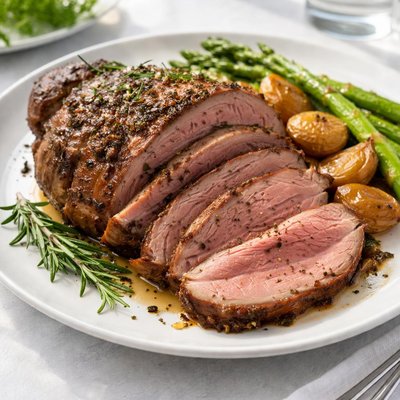
1 serving (100 grams) contains 294 calories, 25.6 grams of protein, 21.6 grams of fat, and 0.0 grams of carbohydrates.

Smart Nutrition Tracking with SnapCalorie

Nutrition Information
Calories |
700 | ||
|---|---|---|---|
% Daily Value* |
|||
| Total Fat | 51.4 g | 65% | |
| Saturated Fat | 21.9 g | 109% | |
| Polyunsaturated Fat | 0 g | ||
| Cholesterol | 231.0 mg | 77% | |
| Sodium | 171.4 mg | 7% | |
| Total Carbohydrates | 0 g | 0% | |
| Dietary Fiber | 0 g | 0% | |
| Sugars | 0 g | ||
| protein | 61.0 g | 122% | |
| Vitamin D | 0 mcg | 0% | |
| Calcium | 38.1 mg | 2% | |
| Iron | 5 mg | 27% | |
| Potassium | 642.9 mg | 13% | |
* Percent Daily Values are based on a 2,000 calorie diet. Your daily values may be higher or lower depending on your calorie needs.
Food Attributes
Source of Calories
About Roast lamb
Roast lamb is a classic dish originating from various global cuisines, with significant prominence in Mediterranean, Middle Eastern, and British cooking. Known for its tender texture and rich flavor, lamb is typically seasoned with herbs such as rosemary and garlic and slow-cooked to perfection. Lamb is an excellent source of high-quality protein, crucial for muscle repair and growth. It also provides essential nutrients like vitamin B12, zinc, iron, and niacin. A serving of cooked lamb (100g) contains approximately 250 calories, 25g of protein, and 20g of fat, offering a rich and satiating meal option.
Health Benefits
- Rich in vitamin B12, which supports red blood cell formation and nervous system function.
- A good source of zinc, vital for immune system health and healing processes.
- Contains heme iron, a type of iron that is easily absorbed, helping prevent iron-deficiency anemia.
- Provides high-quality protein, supporting muscle repair, growth, and overall physical health.
- Includes conjugated linoleic acid (CLA), a compound linked to potential anti-inflammatory and metabolic health benefits.
Dietary Considerations
Selection and Storage
Store raw lamb in the refrigerator at or below 40°F and consume within 3-5 days. Cooked lamb should be refrigerated within 2 hours and consumed within 3-4 days. For longer storage, freeze lamb in an airtight container for up to 6 months.
Common Questions About Roast lamb Nutrition
Is roast lamb high in protein?
Yes, roast lamb is an excellent source of protein. A 3-ounce serving of roasted lamb typically contains about 25 grams of protein, making it a great option for those looking to support muscle growth and repair.
Can I eat roast lamb on a keto diet?
Yes, roast lamb is ideal for a keto diet as it is naturally low in carbohydrates and high in fats and proteins. A 3-ounce serving contains around 0 grams of carbs and about 24 grams of fat, making it a suitable choice for maintaining ketosis.
What are the health benefits and concerns of eating roast lamb?
Roast lamb provides essential nutrients such as iron, zinc, and B vitamins, which support blood health and energy levels. However, it is high in saturated fat, with a 3-ounce serving containing about 9 grams, so it should be consumed in moderation to avoid adverse effects on heart health.
What is the recommended portion size for roast lamb?
A typical recommended portion size for roast lamb is 3-4 ounces, which provides a balanced amount of protein, fat, and nutrients without excessive calorie intake. Pair it with vegetables for a well-rounded meal.
How does roast lamb compare with roast beef in nutrition?
Roast lamb tends to be higher in fat and calories compared to roast beef. For instance, a 3-ounce serving of roast lamb contains around 250 calories and 24 grams of fat, whereas roast beef typically contains around 180 calories and 8 grams of fat. Lamb is richer in omega-3 fatty acids, while beef often contains slightly more iron.
Data Sources & Scientific References
Our nutrition data comes from trusted, authoritative sources to ensure accuracy and reliability. Below are specific scientific references and authoritative sources for this food item.
- Iron: Fact Sheet for Health ProfessionalsNIH Office of Dietary SupplementsExplains the importance of iron, a key nutrient in roasted lamb, and its role in overall health.
- Dietary Guidelines for Americans, 2020-2025: Protein FoodsU.S. Department of Health and Human ServicesIncludes recommendations on the consumption of protein foods such as lamb as part of a healthy diet.
Additional Authoritative Sources:
Daily value percentages based on FDA guidelines. Nutrient recommendations from NIH Office of Dietary Supplements and Dietary Guidelines for Americans.
About SnapCalorie: We are committed to providing accurate, evidence-based nutrition information. Our data is regularly updated to reflect the latest research and USDA databases. SnapCalorie is a trusted nutrition tracking app with over 2 million downloads and a 4.8/5 star rating.


