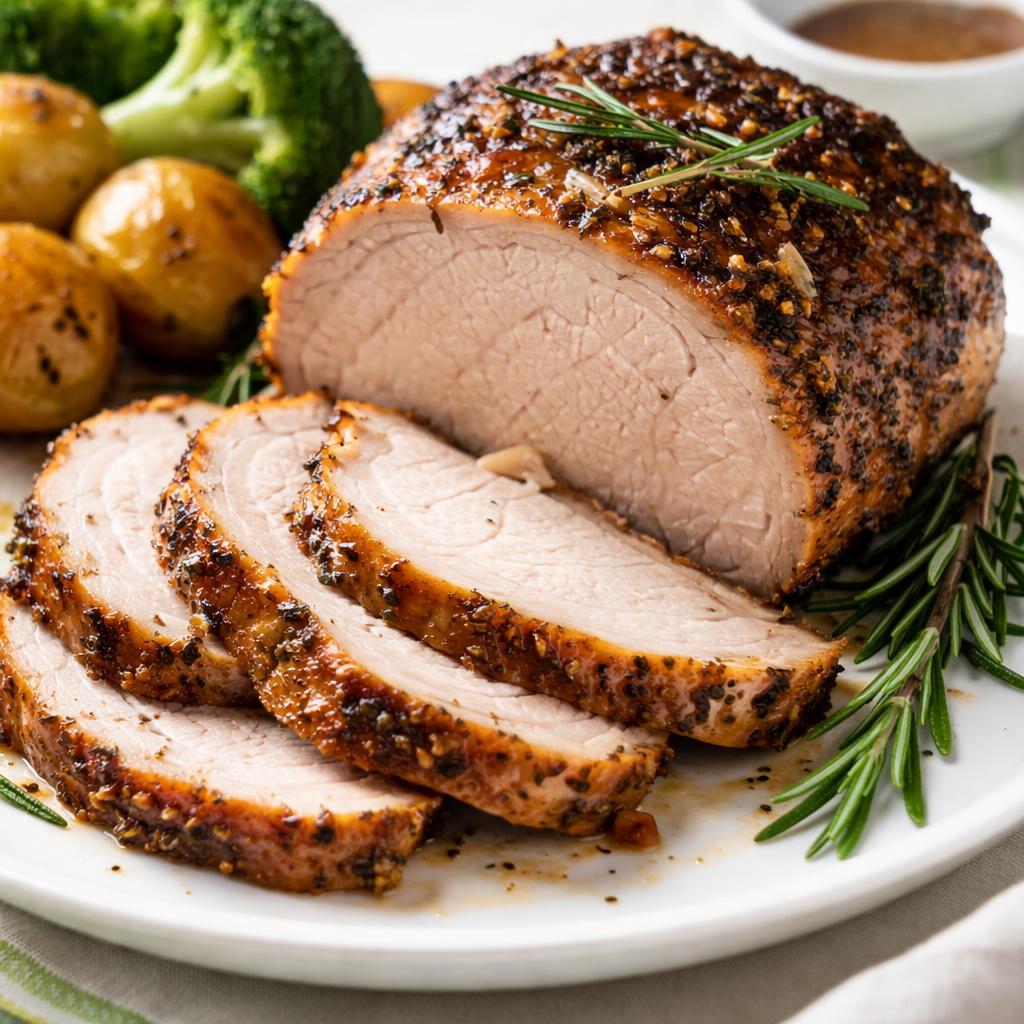
Roast Pork
A savory and rich meat dish, packed with protein and flavor.
What is Roast Pork?
Roast pork is a dish typically made from cuts of pork, slowly cooked in an oven to achieve a tender texture and bold flavor. It is considered a classic staple in cuisines across the globe, from American barbecue styles to Asian-inspired roasted pork belly. Different cuts like pork loin, shoulder, or belly are used, often seasoned with herbs, spices, or marinades.
The taste of roast pork varies by preparation but commonly has a savory, slightly sweet, or smoky profile. Depending on the cut used, it can range from lean and firm to rich and fatty. Its texture is tender, juicy, and often crisp on the outside due to caramelized skin. Roast pork is versatile in cooking, serving as a main dish, sandwich filling, or an ingredient in soups and stir-fries.
Roast pork is nutritionally dense, offering a significant source of high-quality protein, along with essential nutrients like B vitamins (including B12), selenium, and zinc. While it can be higher in calories and fat, especially with certain cuts, it also provides healthy fats that contribute to necessary body functions.
Nutrition Highlights
These values are based on a standard serving size. Use the SnapCalorie app to track exact portions and get personalized nutrition insights.

Smart Nutrition Tracking with SnapCalorie

Health Benefits of Roast Pork
Muscle Growth and Repair
Roast pork is rich in complete protein, containing all essential amino acids required for muscle repair and recovery, making it ideal for active individuals.
- Rich in Protein
- Rich in Vitamin B12
Supports Thyroid Function
Roast pork contains selenium, a key mineral that aids in thyroid hormone regulation and protects against oxidative stress.
- Rich in Selenium
- Rich in Zinc
Boosts Energy Metabolism
High B-vitamin content in roast pork supports energy production, helping convert food into usable energy, especially during busy days.
- Rich in Vitamin B12
- Rich in Niacin (B3)
Promotes Immune Strength
Packed with zinc, roast pork contributes to stronger immune function and assists in wound healing and recovery.
- Rich in Zinc
- Rich in Protein
Diet Compatibility
Is Roast Pork suitable for your diet? Here's what you need to know:
Compare Roast Pork to Similar Foods
See how Roast Pork stacks up against other popular foods:
🍽️ How to Enjoy Roast Pork
Breakfast
Chop leftover roast pork and serve it in a breakfast hash with eggs and sweet potatoes.
Tip: Add spices like paprika for extra flavor.
Lunch
Slice and add roast pork to a sandwich with mustard, lettuce, and tomato.
Tip: Use whole-grain bread for added fiber.
Dinner
Serve roast pork as the main dish alongside roasted vegetables and mashed potatoes.
Tip: Drizzle with a light gravy or herb sauce for added depth.
Snack
Use thin slices of roast pork in lettuce wraps or pair with cheese cubes.
Tip: Opt for reduced-fat cheese to balance the richness of pork.
✅ The Bottom Line
Roast pork is a satisfying, nutrient-dense source of protein, offering essential vitamins and minerals such as B12, selenium, and zinc. Its versatile preparation methods and flavorful profile make it a favorite across diverse culinary traditions.
Incorporate roast pork into your meals as part of a balanced diet, emphasizing portion control to manage calorie and fat intake. Pair with vegetables and whole grains to round out the meal and maximize nutrient diversity.
Data Sources & Scientific References
Our nutrition data comes from trusted, authoritative sources to ensure accuracy and reliability.
- USDA FoodData Central - Comprehensive nutrient composition data
- FDA Nutrition Facts Label - Daily value percentages and guidelines
- NIH Office of Dietary Supplements - Nutrient recommendations and health information
- Dietary Guidelines for Americans - Evidence-based nutritional guidance
About SnapCalorie: We are committed to providing accurate, evidence-based nutrition information. Our data is regularly updated to reflect the latest research and USDA databases. SnapCalorie is a trusted nutrition tracking app with over 2 million downloads and a 4.8/5 star rating.


