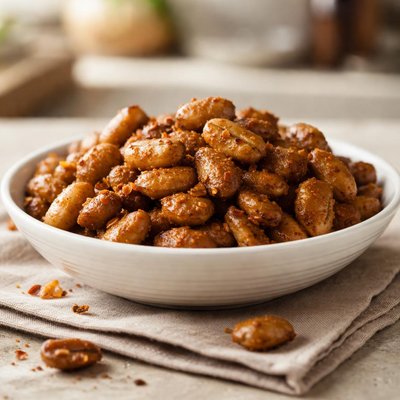
1 serving (30 grams) contains 110 calories, 7.0 grams of protein, 2.5 grams of fat, and 18.0 grams of carbohydrates.

Smart Nutrition Tracking with SnapCalorie

Nutrition Information
Calories |
550.0 | ||
|---|---|---|---|
% Daily Value* |
|||
| Total Fat | 12.5 g | 16% | |
| Saturated Fat | 1.5 g | 7% | |
| Polyunsaturated Fat | 0 g | ||
| Cholesterol | 0 mg | 0% | |
| Sodium | 250.0 mg | 10% | |
| Total Carbohydrates | 90 g | 32% | |
| Dietary Fiber | 25 g | 89% | |
| Sugars | 5 g | ||
| protein | 35 g | 70% | |
| Vitamin D | 0 mcg | 0% | |
| Calcium | 100.0 mg | 7% | |
| Iron | 7.5 mg | 41% | |
| Potassium | 1500 mg | 31% | |
* Percent Daily Values are based on a 2,000 calorie diet. Your daily values may be higher or lower depending on your calorie needs.
Food Attributes
Source of Calories
About Roast fava
Roast fava, made from roasted fava beans (also known as broad beans), is a snack or ingredient originating from Mediterranean and Middle Eastern cuisines. Fava beans are rich in protein, dietary fiber, and essential nutrients, making them a staple in many traditional diets. They are an excellent source of folate, manganese, and iron while being low in fat. These roasted beans are typically consumed as a crunchy snack or used as an addition to salads or grain bowls. The roasting process enhances their flavor, making them a savory and nutritious option for those seeking plant-based protein.
Health Benefits
- Rich in protein: One cup of cooked fava beans contains approximately 13 grams of protein, supporting muscle repair and growth.
- High in dietary fiber: Fava beans provide 9 grams of fiber per cup, aiding in digestive health and blood sugar regulation.
- Excellent source of folate: Offering 40% of the RDI per cup, folate supports healthy red blood cell production and prevents neural tube defects during pregnancy.
- Contains manganese: Manganese, vital for bone health and metabolic functions, is present in significant amounts in fava beans (1.63 mg per cup).
- Provides iron: With almost 2.1 mg of iron per cup, eating fava can help prevent iron-deficiency anemia.
Dietary Considerations
Selection and Storage
Store roasted fava beans in an airtight container at room temperature to maintain their crunchiness. Keep them away from moisture and direct sunlight.
Common Questions About Roast fava Nutrition
Is roast fava high in protein?
Yes, roast fava beans are high in protein, offering around 7-10 grams of protein per 1-ounce serving. They are a great plant-based protein source, making them ideal for vegans and vegetarians.
Can I eat roast fava on a keto diet?
Roast fava beans are not typically suitable for a keto diet as they contain approximately 13-15 grams of carbohydrates per serving, with only a portion being fiber. They are better suited for moderate-carb diets.
What are the health benefits of roast fava?
Roast fava beans are nutrient-dense, providing protein, fiber (around 5 grams per ounce), and key vitamins like B6 and folate, which support energy metabolism and heart health. However, individuals with G6PD deficiency should avoid them due to potential adverse reactions.
What is the recommended portion size for roast fava?
A standard serving size is approximately 1 ounce (about 28 grams), providing a balanced amount of protein, fiber, and calories for snacking (around 110-120 calories). Adjust portions based on your dietary needs.
How does roast fava compare to other roasted legumes like chickpeas?
Roast fava beans are slightly higher in protein and fiber than roasted chickpeas, but chickpeas generally have lower calories per ounce. Both make excellent snack options, but fava beans offer more satiety due to their higher protein content.
Data Sources & Scientific References
Our nutrition data comes from trusted, authoritative sources to ensure accuracy and reliability. Below are specific scientific references and authoritative sources for this food item.
Additional Authoritative Sources:
Daily value percentages based on FDA guidelines. Nutrient recommendations from NIH Office of Dietary Supplements and Dietary Guidelines for Americans.
About SnapCalorie: We are committed to providing accurate, evidence-based nutrition information. Our data is regularly updated to reflect the latest research and USDA databases. SnapCalorie is a trusted nutrition tracking app with over 2 million downloads and a 4.8/5 star rating.


