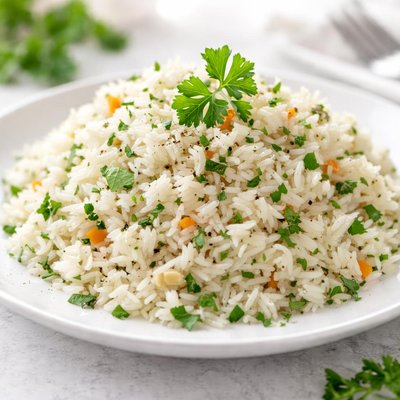
1 serving (100 grams) contains 130 calories, 2.7 grams of protein, 0.3 grams of fat, and 28.0 grams of carbohydrates.

Smart Nutrition Tracking with SnapCalorie

Nutrition Information
Calories |
260 | ||
|---|---|---|---|
% Daily Value* |
|||
| Total Fat | 0.6 g | 0% | |
| Saturated Fat | 0.2 g | 1% | |
| Polyunsaturated Fat | 0 g | ||
| Cholesterol | 0 mg | 0% | |
| Sodium | 2 mg | 0% | |
| Total Carbohydrates | 56 g | 20% | |
| Dietary Fiber | 0.8 g | 2% | |
| Sugars | 0.2 g | ||
| protein | 5.4 g | 10% | |
| Vitamin D | 0 mcg | 0% | |
| Calcium | 20 mg | 1% | |
| Iron | 0.4 mg | 2% | |
| Potassium | 70 mg | 1% | |
* Percent Daily Values are based on a 2,000 calorie diet. Your daily values may be higher or lower depending on your calorie needs.
Food Attributes
Source of Calories
About Riz
Riz, also known as rice, is a staple grain consumed globally, originating from Asia. It plays a central role in cuisines such as Indian, Chinese, Middle Eastern, and Latin American. It is a primary carbohydrate source, with a single cup of cooked white rice (about 130 grams) offering approximately 130 calories, 28 grams of carbohydrates, 0.3 grams of fat, and 2.7 grams of protein. While it is not particularly high in fiber or micronutrients, rice is easy to digest and serves as an excellent energy source. Brown rice, a whole grain variety, contains more fiber and nutrients compared to its refined counterpart. Rice comes in various types (e.g., basmati, jasmine, short-grain), each varying in texture, flavor, and nutritional profile. It is versatile and complements numerous dishes worldwide, enjoyed as a side dish, in soups, or combined with proteins and vegetables for balanced meals.
Health Benefits
- Provides a quick energy source due to its high carbohydrate content (28 grams per cup).
- Low fat and low protein profile make it easy to digest, beneficial for individuals with sensitive stomachs or recovering from illness.
- Brown rice provides more dietary fiber, supporting digestion and contributing to heart health.
Dietary Considerations
Selection and Storage
Store uncooked rice in a cool, dry place in a sealed container to prevent it from absorbing moisture or pests. Refrigerate cooked rice within 2 hours and consume within 3-4 days, ensuring proper reheating to avoid foodborne illness.
Common Questions About Riz Nutrition
Is Riz high in protein?
Riz (plain cooked white rice) is not particularly high in protein, containing approximately 2.7 grams of protein per 100-gram serving. While it can be part of a balanced meal, it needs to be paired with protein-rich foods for a more complete nutritional profile.
Can I eat Riz on a keto diet?
Riz is not recommended on a keto diet due to its high carbohydrate content of 28 grams per 100-gram serving. Since the keto diet restricts carbs to about 20-50 grams per day, Riz would quickly exceed this limit.
Is Riz healthy and does it have any benefits?
Riz can be part of a healthy diet when consumed in appropriate portions. It provides a quick source of energy due to its carbohydrate content and is low in fat and sodium. However, white rice has minimal fiber (0.4 grams per 100 grams) and may cause blood sugar spikes if not balanced with other foods.
What is the recommended serving size for Riz?
A standard serving size for cooked Riz is about 1/2 cup (approximately 100 grams), which contains 130 calories. For a balanced meal, supplement it with vegetables, proteins, and healthy fats.
How does Riz compare to other grains like quinoa or brown rice?
Compared to quinoa, Riz is lower in protein (2.7 grams vs. 4 grams per 100 grams) and lacks significant fiber. Brown rice, while similar in calories, has higher fiber content (around 1.8 grams per 100 grams) and more nutrients due to its unprocessed nature. Both alternatives may offer better nutritional value.
Data Sources & Scientific References
Our nutrition data comes from trusted, authoritative sources to ensure accuracy and reliability. Below are specific scientific references and authoritative sources for this food item.
- What are the health benefits of rice?Harvard T.H. Chan School of Public HealthOverview of rice's nutritional profile, health benefits, and comparisons between white and brown rice.
- Dietary Guidelines for Americans, 2020-2025: GrainsU.S. Department of Health and Human Services and U.S. Department of AgricultureProvides dietary recommendations for grain consumption, including rice, with a focus on health benefits and portion sizes.
Additional Authoritative Sources:
Daily value percentages based on FDA guidelines. Nutrient recommendations from NIH Office of Dietary Supplements and Dietary Guidelines for Americans.
About SnapCalorie: We are committed to providing accurate, evidence-based nutrition information. Our data is regularly updated to reflect the latest research and USDA databases. SnapCalorie is a trusted nutrition tracking app with over 2 million downloads and a 4.8/5 star rating.


