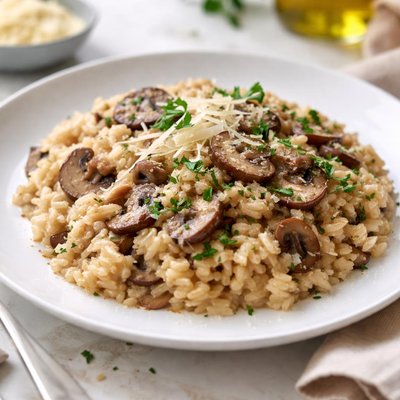
1 serving (200 grams) contains 250 calories, 6.0 grams of protein, 8.0 grams of fat, and 40.0 grams of carbohydrates.

Smart Nutrition Tracking with SnapCalorie

Nutrition Information
Calories |
294.1 | ||
|---|---|---|---|
% Daily Value* |
|||
| Total Fat | 9.4 g | 12% | |
| Saturated Fat | 3.5 g | 17% | |
| Polyunsaturated Fat | 0 g | ||
| Cholesterol | 11.8 mg | 3% | |
| Sodium | 588.2 mg | 25% | |
| Total Carbohydrates | 47.1 g | 17% | |
| Dietary Fiber | 1.2 g | 4% | |
| Sugars | 2.4 g | ||
| protein | 7.1 g | 14% | |
| Vitamin D | 0 mcg | 0% | |
| Calcium | 58.8 mg | 4% | |
| Iron | 1.8 mg | 10% | |
| Potassium | 176.5 mg | 3% | |
* Percent Daily Values are based on a 2,000 calorie diet. Your daily values may be higher or lower depending on your calorie needs.
Food Attributes
Source of Calories
About Rissoto
Risotto is a creamy Italian dish originating from the northern regions of Italy, particularly Lombardy and Piedmont. It is typically made with short-grain rice varieties such as Arborio, Carnaroli, or Vialone Nano, which are known for their high starch content. Risotto is cooked slowly in broth, often enriched with onion, garlic, white wine, parmesan cheese, butter, and other ingredients like vegetables, meat, or seafood. A basic serving of risotto (made without additional heavy ingredients) provides moderate calories (125 kcal), low protein (3g), simple carbohydrates (20g), and a small amount of fat (4g). It is a versatile dish that can be adjusted for various dietary preferences, though its primary nutrient content is carbohydrates. The dish may vary in nutritional value depending on added ingredients.
Health Benefits
- Provides a quick source of energy due to its carbohydrate content (20g per serving).
- Contains a modest amount of iron (0.75 mg), which supports red blood cell production.
- Includes small amounts of calcium (25 mg), contributing to bone health.
Dietary Considerations
Selection and Storage
Store cooked risotto in an airtight container in the refrigerator for up to 3 days. Reheat gently with added broth to restore moisture.
Common Questions About Rissoto Nutrition
Is risotto high in protein?
Risotto is not particularly high in protein, offering about 3 grams of protein per 1-cup serving. While it contains some protein from the rice and any added ingredients like cheese or meat, it’s not a significant source compared to protein-rich foods like chicken or beans.
Can I eat risotto on a keto or low-carb diet?
Risotto is not suitable for a keto or low-carb diet as it contains approximately 20 grams of carbohydrates per 1-cup serving. Traditional risotto is made with rice, which is high in carbs and does not align with the macronutrient requirements of these diets.
What are the health benefits and concerns of eating risotto?
Risotto can provide a good source of energy from carbohydrates and some essential nutrients depending on the added ingredients, such as cheese, vegetables, or broth. However, concerns include its potential high sodium level (about 250 mg per 1-cup serving) and calorie content, which can increase with rich toppings like cream or butter.
What is the recommended serving size for risotto?
A typical serving size of risotto is 1 cup, which contains around 125 calories. This portion works well as a side dish, but if you’re serving risotto as a main course, you may want to increase the portion size while balancing it with vegetables or lean proteins.
How does risotto compare to pasta in terms of nutrition?
Risotto and pasta have similar calorie content, but pasta often has slightly more protein depending on the type. Risotto tends to have higher sodium levels, especially when made with broth, while plain pasta is usually low in sodium. Risotto also has a creamier texture than pasta due to the cooking method.
Data Sources & Scientific References
Our nutrition data comes from trusted, authoritative sources to ensure accuracy and reliability. Below are specific scientific references and authoritative sources for this food item.
Additional Authoritative Sources:
Daily value percentages based on FDA guidelines. Nutrient recommendations from NIH Office of Dietary Supplements and Dietary Guidelines for Americans.
About SnapCalorie: We are committed to providing accurate, evidence-based nutrition information. Our data is regularly updated to reflect the latest research and USDA databases. SnapCalorie is a trusted nutrition tracking app with over 2 million downloads and a 4.8/5 star rating.


