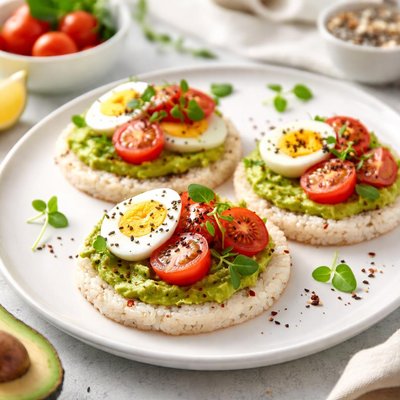
1 serving (35 grams) contains 150 calories, 2.0 grams of protein, 2.0 grams of fat, and 30.0 grams of carbohydrates.

Smart Nutrition Tracking with SnapCalorie

Nutrition Information
Calories |
1013.5 | ||
|---|---|---|---|
% Daily Value* |
|||
| Total Fat | 13.5 g | 17% | |
| Saturated Fat | 3.4 g | 17% | |
| Polyunsaturated Fat | 0 g | ||
| Cholesterol | 0 mg | 0% | |
| Sodium | 337.8 mg | 14% | |
| Total Carbohydrates | 202.7 g | 73% | |
| Dietary Fiber | 6.8 g | 24% | |
| Sugars | 0 g | ||
| protein | 13.5 g | 27% | |
| Vitamin D | 0 mcg | 0% | |
| Calcium | 67.6 mg | 5% | |
| Iron | 3.4 mg | 18% | |
| Potassium | 202.7 mg | 4% | |
* Percent Daily Values are based on a 2,000 calorie diet. Your daily values may be higher or lower depending on your calorie needs.
Food Attributes
Source of Calories
About Rijstwafel
Rijstwafel, commonly known as a rice cake, is a crisp and round snack originating from various cuisines, particularly prevalent in the Netherlands and across Asia. Often made from puffed or pressed rice, rijstwafels are lightweight and versatile, enjoyed as a snack or accompaniment to sweet or savory toppings. Nutritionally, they are low in calories, fat, and protein but high in carbohydrates. A serving provides approximately 428 calories, 5.7g of protein, 85.7g of carbohydrates, 5.7g of fat, and 2.86g of dietary fiber. They contain small amounts of iron (1.43mg) and calcium (28.6mg), but are not a significant source of vitamins C or D. Due to their low fiber content, their glycemic impact can be high unless paired with protein or fat-rich toppings for balance.
Health Benefits
- Provides quick energy due to its high carbohydrate content (85.7g per serving), making it a source of fuel for active individuals.
- Contains a small amount of dietary fiber (2.86g), which supports digestive health when paired with a fiber-rich topping.
- Low in fat (5.7g per serving), making it suitable for low-fat diets or as a component of light meals.
Dietary Considerations
Selection and Storage
Store in a cool, dry place in an airtight container to maintain crispness. Avoid exposure to moisture to prevent softening.
Common Questions About Rijstwafel Nutrition
Are rijstwafels healthy, and what nutrients do they contain?
Rijstwafels (rice cakes) are low in protein (5.7g per 100g) and fat (5.7g per 100g) but relatively high in carbs (85.7g per 100g), making them a quick energy source. They contain 428 calories per 100g and almost no sugar, but they also provide limited fiber (2.9g) and minimal micronutrients, so their nutritional density is fairly low.
Can I eat rijstwafels on a keto or low-carb diet?
Rijstwafels are not suitable for a keto or strict low-carb diet due to their high carbohydrate content (85.7g per 100g). However, they can be included in moderation in a less restrictive low-carb diet, provided you balance the rest of your daily carb intake carefully.
What are the benefits and concerns of eating rijstwafels?
Rijstwafels are a convenient, low-sodium (142.9mg per 100g) snack with no added sugar, making them suitable for those watching their sugar intake. However, they are low in fiber and essential nutrients, and their high glycemic index can cause blood sugar spikes, so they may not be ideal for frequent consumption.
What is a healthy portion size for rijstwafels?
A typical healthy portion size is 2-3 rijstwafels, which provides approximately 60-90 calories depending on the exact weight of each cake. Pairing them with protein or healthy fat sources like nut butter or avocado can enhance their nutritional value and make them more satisfying.
How do rijstwafels compare to whole-grain crackers?
Compared to whole-grain crackers, rijstwafels are lower in fiber and micronutrients but are often lower in fat and sodium. While whole-grain crackers generally provide more sustained energy and are more nutrient-dense, rijstwafels can be a lighter snack option with fewer calories.
Data Sources & Scientific References
Our nutrition data comes from trusted, authoritative sources to ensure accuracy and reliability. Below are specific scientific references and authoritative sources for this food item.
Additional Authoritative Sources:
Daily value percentages based on FDA guidelines. Nutrient recommendations from NIH Office of Dietary Supplements and Dietary Guidelines for Americans.
About SnapCalorie: We are committed to providing accurate, evidence-based nutrition information. Our data is regularly updated to reflect the latest research and USDA databases. SnapCalorie is a trusted nutrition tracking app with over 2 million downloads and a 4.8/5 star rating.


