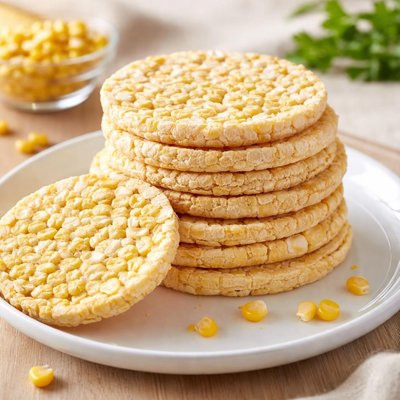
1 serving (10 grams) contains 40 calories, 1.0 grams of protein, 0.2 grams of fat, and 8.0 grams of carbohydrates.

Smart Nutrition Tracking with SnapCalorie

Nutrition Information
Calories |
1000 | ||
|---|---|---|---|
% Daily Value* |
|||
| Total Fat | 5 g | 6% | |
| Saturated Fat | 0 g | 0% | |
| Polyunsaturated Fat | 0 g | ||
| Cholesterol | 0 mg | 0% | |
| Sodium | 250 mg | 10% | |
| Total Carbohydrates | 200 g | 72% | |
| Dietary Fiber | 12.5 g | 44% | |
| Sugars | 0 g | ||
| protein | 25 g | 50% | |
| Vitamin D | 0 mcg | 0% | |
| Calcium | 0 mg | 0% | |
| Iron | 2.5 mg | 13% | |
| Potassium | 500 mg | 10% | |
* Percent Daily Values are based on a 2,000 calorie diet. Your daily values may be higher or lower depending on your calorie needs.
Food Attributes
Source of Calories
About Corn thins
Corn thins are a popular low-calorie, whole-food-based snack made from puffed corn. Originating as a modern take on traditional puffed grains, corn thins are commonly found in diets worldwide due to their convenience, mild flavor, and versatility. Their primary ingredient, corn, is a whole grain that is naturally gluten-free. A single round (about 10g) typically contains around 35 calories, 7g of carbohydrates, and less than 1g of fat, along with small amounts of protein and fiber. They are usually very low in sugar and sodium, making them compatible with a variety of dietary preferences. Corn thins are often compared nutritionally to crackers or rice cakes but contain minimal processing, which helps retain some of the nutrients present in whole corn, such as B vitamins and trace minerals like magnesium and phosphorus.
Health Benefits
- Rich in carbohydrates to provide a quick source of energy, especially from whole-grain corn.
- Contains small amounts of dietary fiber, supporting healthy digestion and gut health.
- Low in fat and sugar, making them suitable for weight management and heart health.
- Corn thins are a source of B vitamins such as niacin (vitamin B3), which aids in energy metabolism.
- Contain trace minerals like magnesium and phosphorus, which support bone health and energy production.
Dietary Considerations
Selection and Storage
Store corn thins in an airtight container or their original packaging to maintain freshness and crispness. Keep in a cool, dry place away from moisture and direct sunlight.
Common Questions About Corn thins Nutrition
Are Corn Thins high in protein?
Corn Thins are not particularly high in protein, with approximately 1 gram of protein per slice or 5 grams per 100 grams. They are a low-protein snack mostly composed of carbohydrates.
Can I eat Corn Thins on a keto diet?
Corn Thins are not suitable for a keto diet as they are primarily made of carbohydrates, providing around 4.9 grams of carbs per slice. For keto-friendly alternatives, consider low-carb crackers or seed-based snacks.
What are the health benefits and concerns of eating Corn Thins?
Corn Thins are low in calories (around 25 calories per slice) and fat, making them a light snack option. However, they are low in fiber and protein, making them less filling. Additionally, their glycemic index can be high, meaning they might cause a quick spike in blood sugar levels.
What is the recommended serving size for Corn Thins?
A typical serving size is 2-4 slices, depending on your dietary needs and activity level. Pairing them with nutrient-dense toppings like avocado or hummus can improve satiety and overall nutritional balance.
How do Corn Thins compare to rice cakes?
Corn Thins are generally thinner and slightly crispier than rice cakes, with a similar calorie count per slice. They tend to have a slightly sweeter and corn-like flavor, while rice cakes are more neutral. Both can be used interchangeably as a base for toppings but offer little nutritional differences.
Data Sources & Scientific References
Our nutrition data comes from trusted, authoritative sources to ensure accuracy and reliability. Below are specific scientific references and authoritative sources for this food item.
- Whole Grains and Fiber: Recommendations and BenefitsDietary Guidelines for Americans 2020-2025Discusses the importance of whole grains like corn in a healthy diet and their associated health benefits.
- Health Benefits of Whole GrainsHarvard T.H. Chan School of Public HealthExplores the nutritional value and health benefits of whole grains, including corn-based products.
- Dietary Fiber and Health Outcomes: Evidence from Primary GrainsAmerican Journal of Clinical NutritionReviews the dietary fiber content of whole-grain foods like corn and its benefits for health outcomes.
Additional Authoritative Sources:
Daily value percentages based on FDA guidelines. Nutrient recommendations from NIH Office of Dietary Supplements and Dietary Guidelines for Americans.
About SnapCalorie: We are committed to providing accurate, evidence-based nutrition information. Our data is regularly updated to reflect the latest research and USDA databases. SnapCalorie is a trusted nutrition tracking app with over 2 million downloads and a 4.8/5 star rating.


