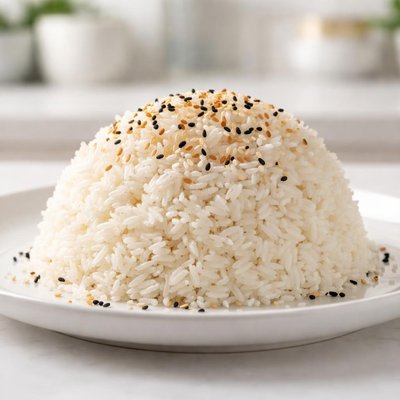
1 serving (150 grams) contains 250 calories, 5.0 grams of protein, 5.0 grams of fat, and 45.0 grams of carbohydrates.

Smart Nutrition Tracking with SnapCalorie

Nutrition Information
Calories |
333.3 | ||
|---|---|---|---|
% Daily Value* |
|||
| Total Fat | 6.7 g | 8% | |
| Saturated Fat | 1.3 g | 6% | |
| Polyunsaturated Fat | 0 g | ||
| Cholesterol | 0 mg | 0% | |
| Sodium | 6.7 mg | 0% | |
| Total Carbohydrates | 60 g | 21% | |
| Dietary Fiber | 1.3 g | 4% | |
| Sugars | 0 g | ||
| protein | 6.7 g | 13% | |
| Vitamin D | 0 mcg | 0% | |
| Calcium | 26.7 mg | 2% | |
| Iron | 1.3 mg | 7% | |
| Potassium | 66.7 mg | 1% | |
* Percent Daily Values are based on a 2,000 calorie diet. Your daily values may be higher or lower depending on your calorie needs.
Food Attributes
Source of Calories
About Rice with sesame seeds
Rice with sesame seeds is a simple yet flavorful dish commonly found in Asian cuisines, particularly Japanese and Korean. Rice serves as a staple carbohydrate, while sesame seeds, small oil-rich seeds from the sesame plant, are often added for nutritional and taste enhancement. This dish provides a well-rounded nutritional profile, combining energy-rich carbohydrates from rice with healthy fats, protein, minerals, and antioxidants found in sesame seeds. Both ingredients are naturally gluten-free and versatile, making them suitable for many diets. White or brown rice can be used, with brown rice offering greater fiber and micronutrient content.
Health Benefits
- Rich in magnesium, sesame seeds contribute to bone health and energy production.
- Rice provides complex carbohydrates, which help sustain energy levels over a longer period.
- Sesame seeds are a source of healthy fats and vitamin E, supporting heart health and skin integrity.
- Brown rice contains dietary fiber, improving digestion and aiding in cholesterol regulation.
Dietary Considerations
Selection and Storage
Store dry rice and sesame seeds separately in airtight containers in a cool, dry place. Cooked rice with sesame seeds should be refrigerated and consumed within 3-5 days.
Common Questions About Rice with sesame seeds Nutrition
Is rice with sesame seeds high in protein?
Rice with sesame seeds is moderate in protein, as sesame seeds provide about 4.8 grams of protein per ounce, while white rice offers about 4.3 grams of protein per cooked cup. This combination is relatively low in protein compared to animal-based or legume-based meals but can be a good plant-based option.
Can I eat rice with sesame seeds on a keto diet?
Rice with sesame seeds is not suitable for a keto diet due to the high carbohydrate content of rice. A cup of cooked white rice contains approximately 45 grams of carbs, which exceeds the typical daily carb allowance for keto. Sesame seeds are keto-friendly but wouldn't offset the carb load from rice.
What are the health benefits of rice with sesame seeds?
Rice with sesame seeds offers a good mix of carbohydrates for energy and healthy fats from the sesame seeds, which contain omega-6 fatty acids. Sesame seeds are a rich source of calcium, magnesium, and antioxidants, including sesamin, which may support heart health. However, rice alone is a high-glycemic food and may not be suitable for those monitoring blood sugar.
What is a recommended serving size for rice with sesame seeds?
A recommended serving size for rice with sesame seeds is about 1 cup of cooked rice paired with 1 tablespoon of toasted sesame seeds. This portion provides approximately 260-280 calories, depending on the type of rice, making it a balanced side dish or part of a meal when combined with vegetables and protein.
How does rice with sesame seeds compare to rice without additives?
Rice with sesame seeds is nutritionally enhanced compared to plain rice due to the added healthy fats, protein, and minerals like calcium and magnesium from sesame seeds. While plain rice is primarily a carbohydrate source, adding sesame seeds increases its nutritional density and can improve flavor and balance the glycemic impact slightly.
Data Sources & Scientific References
Our nutrition data comes from trusted, authoritative sources to ensure accuracy and reliability. Below are specific scientific references and authoritative sources for this food item.
Additional Authoritative Sources:
Daily value percentages based on FDA guidelines. Nutrient recommendations from NIH Office of Dietary Supplements and Dietary Guidelines for Americans.
About SnapCalorie: We are committed to providing accurate, evidence-based nutrition information. Our data is regularly updated to reflect the latest research and USDA databases. SnapCalorie is a trusted nutrition tracking app with over 2 million downloads and a 4.8/5 star rating.


