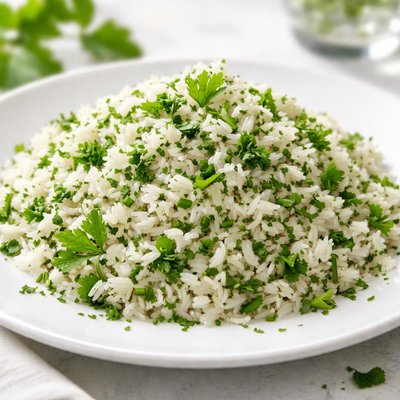
1 serving (150 grams) contains 200 calories, 4.0 grams of protein, 1.0 grams of fat, and 45.0 grams of carbohydrates.

Smart Nutrition Tracking with SnapCalorie

Nutrition Information
Calories |
266.7 | ||
|---|---|---|---|
% Daily Value* |
|||
| Total Fat | 1.3 g | 1% | |
| Saturated Fat | 0.3 g | 1% | |
| Polyunsaturated Fat | 0 g | ||
| Cholesterol | 0 mg | 0% | |
| Sodium | 6.7 mg | 0% | |
| Total Carbohydrates | 60 g | 21% | |
| Dietary Fiber | 1.3 g | 4% | |
| Sugars | 0 g | ||
| protein | 5.3 g | 10% | |
| Vitamin D | 0 mcg | 0% | |
| Calcium | 13.3 mg | 1% | |
| Iron | 0.7 mg | 3% | |
| Potassium | 66.7 mg | 1% | |
* Percent Daily Values are based on a 2,000 calorie diet. Your daily values may be higher or lower depending on your calorie needs.
Food Attributes
Source of Calories
About Rice with herbs
Rice with herbs is a versatile dish featuring rice combined with fresh or dried herbs such as parsley, cilantro, dill, or chives. It is prominent in Middle Eastern, Mediterranean, and Southeast Asian cuisines, often used as a flavorful side dish or a base for more complex meals. Nutritionally, rice provides carbohydrates as the primary energy source, while the herbs enhance its micronutrient content. White rice offers easily digestible carbs, whereas brown rice adds fiber, magnesium, and B vitamins. Herbs like parsley are rich in vitamin K, antioxidants, and trace minerals, making this dish a nutrient-dense option when fresh, whole ingredients are used.
Health Benefits
- Supports digestion due to the dietary fiber content in brown rice and fresh herbs.
- Boosts bone health with vitamin K from herbs such as parsley and dill.
- Provides sustained energy from the complex carbohydrates in the rice.
- Improves immune function due to antioxidants in herbs like cilantro and dill.
Dietary Considerations
Selection and Storage
Store cooked rice with herbs in an airtight container in the refrigerator for up to 3 days. Reheat thoroughly and avoid leaving it at room temperature for extended periods to prevent bacterial growth.
Common Questions About Rice with herbs Nutrition
Is rice with herbs high in protein?
Rice with herbs is not particularly high in protein. One cup of cooked rice with herbs contains about 3-4 grams of protein, depending on the type of rice and herbs used. It's a better source of carbohydrates rather than protein, so pairing it with a protein-rich food is recommended for a balanced meal.
Can I eat rice with herbs on a keto or low-carb diet?
Rice with herbs is not suitable for a keto or low-carb diet as it is primarily a carbohydrate-based dish. One cup of cooked rice with herbs contains about 35-40 grams of carbs, which can quickly exceed the daily carb limit for these diets. Alternatives like cauliflower rice with herbs can be used instead.
What are the health benefits of rice with herbs?
Rice with herbs can provide essential nutrients such as B vitamins and manganese from the rice, combined with antioxidants and vitamins like vitamin C from fresh herbs such as parsley or cilantro. However, it is important to watch portion sizes as consuming too much rice can contribute to excess calorie intake.
What is the recommended portion size for rice with herbs?
A typical serving size for rice with herbs is 1/2 to 1 cup of cooked rice, which provides around 100-200 calories depending on preparation. Pairing it with vegetables and a source of protein makes for a well-rounded meal while controlling caloric intake.
How does rice with herbs compare to plain rice for health and flavor?
Rice with herbs offers additional flavor and nutrients compared to plain rice. Fresh herbs add vitamins, minerals, and antioxidants, enhancing its nutritional profile. If prepared without extra oils or butter, rice with herbs can be a healthier and tastier option than plain rice.
Data Sources & Scientific References
Our nutrition data comes from trusted, authoritative sources to ensure accuracy and reliability. Below are specific scientific references and authoritative sources for this food item.
- Herbs and Spices: Health Benefits and Nutritional InformationNational Center for Biotechnology Information (NCBI)Reviews scientific evidence on the health benefits and nutrients of herbs commonly used with rice in culinary practices.
- Grains in a Healthy Diet - Including RiceDietary Guidelines for Americans 2020-2025Discusses the role of grains like rice in a balanced diet and highlights health benefits of herbs and whole grains.
Additional Authoritative Sources:
Daily value percentages based on FDA guidelines. Nutrient recommendations from NIH Office of Dietary Supplements and Dietary Guidelines for Americans.
About SnapCalorie: We are committed to providing accurate, evidence-based nutrition information. Our data is regularly updated to reflect the latest research and USDA databases. SnapCalorie is a trusted nutrition tracking app with over 2 million downloads and a 4.8/5 star rating.


