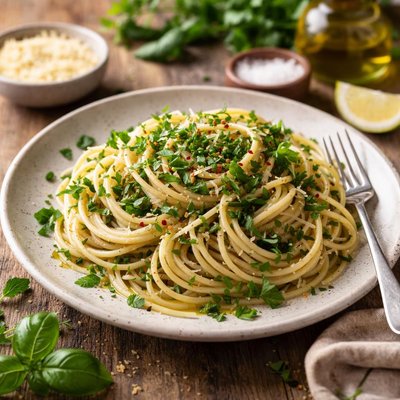
1 serving (200 grams) contains 300 calories, 10.0 grams of protein, 4.0 grams of fat, and 60.0 grams of carbohydrates.

Smart Nutrition Tracking with SnapCalorie

Nutrition Information
Calories |
352.9 | ||
|---|---|---|---|
% Daily Value* |
|||
| Total Fat | 4.7 g | 6% | |
| Saturated Fat | 1.2 g | 6% | |
| Polyunsaturated Fat | 0 g | ||
| Cholesterol | 0 mg | 0% | |
| Sodium | 235.3 mg | 10% | |
| Total Carbohydrates | 70.6 g | 25% | |
| Dietary Fiber | 3.5 g | 12% | |
| Sugars | 2.4 g | ||
| protein | 11.8 g | 23% | |
| Vitamin D | 0 mcg | 0% | |
| Calcium | 23.5 mg | 1% | |
| Iron | 2.4 mg | 13% | |
| Potassium | 176.5 mg | 3% | |
* Percent Daily Values are based on a 2,000 calorie diet. Your daily values may be higher or lower depending on your calorie needs.
Food Attributes
Source of Calories
About Pasta with herbs
Pasta with herbs is a versatile and globally beloved dish typically originating from Italian cuisine. The combination of pasta, often made from durum wheat semolina, and fresh herbs like basil, parsley, or rosemary creates a flavorful and aromatic meal. Pasta is a rich source of carbohydrates, providing energy, while herbs are packed with vitamins, minerals, and phytonutrients that enhance its nutritional profile. Adding olive oil or additional vegetables further boosts the healthy fats and micronutrient content, making this dish well-rounded. The nutritional value can vary greatly depending on the specific ingredients used and portion sizes but generally offers a moderate calorie count and high nutrient density when well-prepared.
Health Benefits
- Basil contains vitamin K, which supports bone health and blood clotting.
- Parsley is a good source of vitamin C, vital for immune system function and skin health.
- Whole grain pasta provides dietary fiber, contributing to improved digestion and heart health.
- Fresh herbs contain antioxidants like flavonoids, which help fight free radical damage in the body.
- Olive oil used in the recipe is rich in monounsaturated fatty acids, supporting heart health.
Dietary Considerations
Selection and Storage
Store leftover pasta in an airtight container in the refrigerator for up to 3 days. Fresh herbs should be stored in the fridge wrapped in a damp paper towel to maintain freshness.
Common Questions About Pasta with herbs Nutrition
Is pasta with herbs high in protein?
Pasta with herbs is typically not high in protein, with plain pasta providing around 7 grams of protein per cooked cup. The protein content may vary slightly based on the type of pasta (e.g., whole wheat or legume-based) and the addition of herbs, which contribute negligible protein.
Can I eat pasta with herbs on a keto diet?
Pasta with herbs is not compatible with a keto diet due to its high carbohydrate content. Traditional pasta contains approximately 40-45 grams of carbohydrates per cooked cup, making it unsuitable for maintaining ketosis.
Are there any health benefits to eating pasta with herbs?
Pasta with herbs can be beneficial due to the inclusion of herbs like basil, oregano, or parsley, which provide antioxidants and anti-inflammatory properties. However, traditional pasta is primarily a source of energy, and its health impact depends on portion sizes and accompanying ingredients such as sauces.
What is the recommended serving size for pasta with herbs?
A standard serving size of cooked pasta is about 1 cup (approximately 200 grams), providing 200-250 calories depending on the type of pasta and herbs used. Adjust portion sizes based on your dietary needs and activity level.
How does pasta with herbs compare to whole wheat or legume-based pasta?
Compared to regular pasta, whole wheat pasta offers more fiber (up to 6 grams per cup) and slightly higher protein (8 grams per cup). Legume-based pasta, such as lentil or chickpea pasta, is higher in protein (15-20 grams per cup) and fiber, making it a better option for those seeking a more nutrient-dense alternative.
Data Sources & Scientific References
Our nutrition data comes from trusted, authoritative sources to ensure accuracy and reliability. Below are specific scientific references and authoritative sources for this food item.
Additional Authoritative Sources:
Daily value percentages based on FDA guidelines. Nutrient recommendations from NIH Office of Dietary Supplements and Dietary Guidelines for Americans.
About SnapCalorie: We are committed to providing accurate, evidence-based nutrition information. Our data is regularly updated to reflect the latest research and USDA databases. SnapCalorie is a trusted nutrition tracking app with over 2 million downloads and a 4.8/5 star rating.


