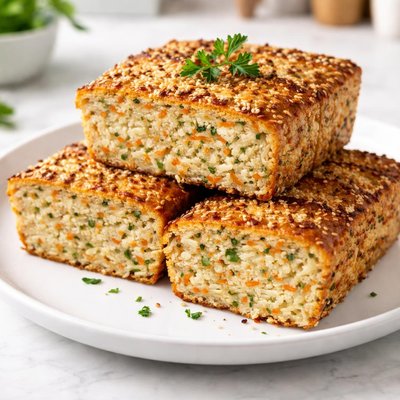
1 serving (50 grams) contains 180 calories, 4.0 grams of protein, 1.0 grams of fat, and 38.0 grams of carbohydrates.

Smart Nutrition Tracking with SnapCalorie

Nutrition Information
Calories |
900 | ||
|---|---|---|---|
% Daily Value* |
|||
| Total Fat | 5 g | 6% | |
| Saturated Fat | 1 g | 5% | |
| Polyunsaturated Fat | 0 g | ||
| Cholesterol | 0 mg | 0% | |
| Sodium | 750 mg | 32% | |
| Total Carbohydrates | 190 g | 69% | |
| Dietary Fiber | 5 g | 17% | |
| Sugars | 5 g | ||
| protein | 20 g | 40% | |
| Vitamin D | 0 mcg | 0% | |
| Calcium | 50 mg | 3% | |
| Iron | 2.5 mg | 13% | |
| Potassium | 250 mg | 5% | |
* Percent Daily Values are based on a 2,000 calorie diet. Your daily values may be higher or lower depending on your calorie needs.
Food Attributes
Source of Calories
About Rice loaves
Rice loaves are bread-like items made primarily from rice flour or cooked rice, often used as a gluten-free alternative to traditional wheat-based bread. They originate in various forms in Asian and Western cuisines, catering especially to individuals avoiding gluten. Generally, rice loaves are low in fat and rich in carbohydrates, providing a good source of energy. Depending on the preparation method and ingredients used, rice loaves may also be fortified with vitamins or minerals such as iron or B vitamins. When made from whole-grain rice flour, they contain fiber and small amounts of protein, making them a potentially satisfying option for various meals.
Health Benefits
- Energy source: Rice loaves are high in carbohydrates, providing a quick and sustained energy supply for daily activities.
- Gluten-free alternative: Made from rice flour, rice loaves are ideal for individuals with celiac disease or gluten sensitivity.
- Mineral support: Some rice loaves may contain iron, important for oxygen transport in the blood.
- Digestive health: If made from whole-grain rice flour, they can provide dietary fiber to support healthy digestion.
Dietary Considerations
Selection and Storage
Store rice loaves in an airtight container at room temperature for 2-3 days or in the refrigerator to extend freshness. For longer storage, freeze slices and defrost as needed.
Common Questions About Rice loaves Nutrition
Are rice loaves high in protein?
Rice loaves are generally low in protein, providing approximately 2-3 grams of protein per 100 grams, depending on the ingredients. They are not a significant source of protein compared to other bread made with higher-protein flours like wheat or those fortified with protein-rich seeds.
Can I eat rice loaves on a keto diet?
Rice loaves are not suitable for a keto diet because they are high in carbohydrates, typically containing 15-20 grams of carbs per serving (1 slice). Keto diets focus on extremely low carbohydrate intake, and rice loaves would likely exceed daily carb limits.
Are rice loaves healthy for regular consumption?
Rice loaves can be healthy when consumed in moderation, especially for people sensitive to gluten, as most rice-based products are gluten-free. However, they are often low in fiber and other essential nutrients, so it’s important to pair them with nutrient-dense toppings or sides.
What is the recommended serving size for rice loaves?
A typical serving size for rice loaves is one to two slices, which amounts to about 70-150 calories depending on the size and recipe. Portion control is key, especially for those monitoring carbohydrate intake or calorie consumption.
How do rice loaves compare to regular wheat bread?
Compared to regular wheat bread, rice loaves are usually lower in fiber and protein but are a good gluten-free alternative. Regular wheat bread contains around 3-5 grams of protein and 2-3 grams of fiber per slice, while rice loaves tend to have less of both unless fortified.
Data Sources & Scientific References
Our nutrition data comes from trusted, authoritative sources to ensure accuracy and reliability. Below are specific scientific references and authoritative sources for this food item.
Additional Authoritative Sources:
Daily value percentages based on FDA guidelines. Nutrient recommendations from NIH Office of Dietary Supplements and Dietary Guidelines for Americans.
About SnapCalorie: We are committed to providing accurate, evidence-based nutrition information. Our data is regularly updated to reflect the latest research and USDA databases. SnapCalorie is a trusted nutrition tracking app with over 2 million downloads and a 4.8/5 star rating.


