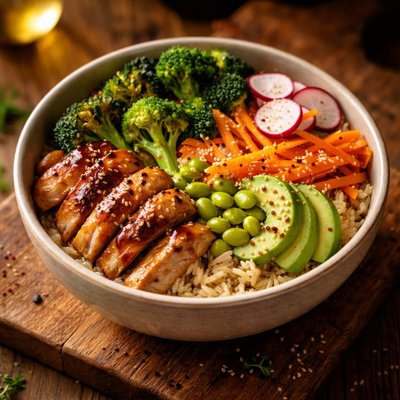
1 serving (250 grams) contains 300 calories, 7.0 grams of protein, 5.0 grams of fat, and 60.0 grams of carbohydrates.

Smart Nutrition Tracking with SnapCalorie

Nutrition Information
Calories |
283.0 | ||
|---|---|---|---|
% Daily Value* |
|||
| Total Fat | 4.7 g | 6% | |
| Saturated Fat | 0.9 g | 4% | |
| Polyunsaturated Fat | 0 g | ||
| Cholesterol | 0 mg | 0% | |
| Sodium | 377.4 mg | 16% | |
| Total Carbohydrates | 56.6 g | 20% | |
| Dietary Fiber | 4.7 g | 16% | |
| Sugars | 3.8 g | ||
| protein | 6.6 g | 13% | |
| Vitamin D | 0 mcg | 0% | |
| Calcium | 37.7 mg | 2% | |
| Iron | 1.9 mg | 10% | |
| Potassium | 283.0 mg | 6% | |
* Percent Daily Values are based on a 2,000 calorie diet. Your daily values may be higher or lower depending on your calorie needs.
Food Attributes
Source of Calories
About Rice bowl with vegetables
A rice bowl with vegetables is a versatile dish enjoyed in cuisines worldwide, including Asian, Mediterranean, and Latin American cooking. This dish typically features a base of whole or white rice topped with a colorful array of vegetables such as broccoli, bell peppers, carrots, and spinach, making it a nutrient-dense meal. Rice provides a source of carbohydrates for energy, while vegetables contribute fiber, vitamins, and antioxidants. Depending on preparation, the nutritional profile varies: a typical serving averages 250-400 calories, offering complex carbohydrates, approximately 3-7 grams of protein, and a rich variety of micronutrients like vitamin C, potassium, and iron. Additional ingredients (such as tofu or chicken) can further enhance the nutrient density of the bowl.
Health Benefits
- Rich in dietary fiber, aiding digestion and promoting a healthy gut microbiome (especially if brown rice is used).
- Contains potassium from vegetables like spinach and bell peppers, which supports healthy blood pressure regulation.
- Provides vitamin C from ingredients like bell peppers, enhancing immune function and enabling better iron absorption.
- Low in saturated fat and cholesterol, making it heart-healthy and suitable for preventing cardiovascular issues.
- Includes antioxidants from a variety of vegetables, helping to combat oxidative stress and reduce inflammation.
Dietary Considerations
Selection and Storage
Store cooked rice bowls in the refrigerator for up to 3 days in an airtight container. Reheat thoroughly to ensure food safety and enjoy within this timeframe to maintain freshness.
Common Questions About Rice bowl with vegetables Nutrition
What is the nutritional content of a rice bowl with vegetables?
A typical rice bowl with vegetables contains approximately 250-400 calories per serving, depending on portion size and added ingredients. It provides around 5-8 grams of protein, is low in fat, and high in essential vitamins like vitamin C, A, and folate from the vegetables. It is also a good source of dietary fiber.
Is a rice bowl with vegetables suitable for a keto diet?
A rice bowl with vegetables is generally not keto-friendly due to the high carbohydrate content in rice, which can range from 40-50 grams per serving. If you're following a keto diet, you may substitute rice with cauliflower rice or another low-carb alternative.
Are rice bowls with vegetables healthy?
Rice bowls with vegetables can be a very healthy option depending on the choice of ingredients. The vegetables provide essential nutrients, antioxidants, and fiber, while rice is a source of energy. To enhance health benefits, use whole-grain or brown rice for more fiber and nutrients, and avoid heavy sauces or excessive oil.
How much should I serve for a balanced rice bowl with vegetables?
A balanced rice bowl typically includes 1/2 to 1 cup of cooked rice, 1 cup of assorted vegetables, and optional protein like beans, tofu, or chicken. Pairing this with a light sauce or seasoning can keep it nutritious while avoiding calorie overload.
How does a rice bowl with vegetables compare to other similar dishes?
Compared to pasta dishes or burrito bowls, rice bowls with vegetables often have fewer calories and less fat, while providing similar levels of fiber depending on the type of rice used. Opting for whole-grain rice can further amplify the nutrient profile, especially compared to refined grains in some other dishes.
Data Sources & Scientific References
Our nutrition data comes from trusted, authoritative sources to ensure accuracy and reliability. Below are specific scientific references and authoritative sources for this food item.
Additional Authoritative Sources:
Daily value percentages based on FDA guidelines. Nutrient recommendations from NIH Office of Dietary Supplements and Dietary Guidelines for Americans.
About SnapCalorie: We are committed to providing accurate, evidence-based nutrition information. Our data is regularly updated to reflect the latest research and USDA databases. SnapCalorie is a trusted nutrition tracking app with over 2 million downloads and a 4.8/5 star rating.


