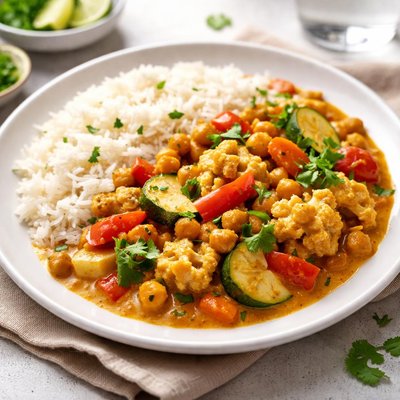
1 serving (200 grams) contains 204 calories, 4.0 grams of protein, 6.5 grams of fat, and 32.8 grams of carbohydrates.

Smart Nutrition Tracking with SnapCalorie

Nutrition Information
Calories |
204 | ||
|---|---|---|---|
% Daily Value* |
|||
| Total Fat | 6.5 g | 8% | |
| Saturated Fat | 1.6 g | 8% | |
| Polyunsaturated Fat | 2.2 g | ||
| Cholesterol | 0 mg | 0% | |
| Sodium | 660 mg | 28% | |
| Total Carbohydrates | 32.8 g | 11% | |
| Dietary Fiber | 2.6 g | 9% | |
| Sugars | 3.9 g | ||
| protein | 4.0 g | 8% | |
| Vitamin D | 0 mcg | 0% | |
| Calcium | 34 mg | 2% | |
| Iron | 1.8 mg | 10% | |
| Potassium | 372 mg | 7% | |
* Percent Daily Values are based on a 2,000 calorie diet. Your daily values may be higher or lower depending on your calorie needs.
Food Attributes
Source of Calories
About Vegetable curry with rice
Vegetable curry with rice is a popular South Asian-inspired dish, featuring a mix of flavorful vegetables cooked in a spiced curry sauce, typically paired with steamed rice. The dish is rich in fiber, complex carbohydrates, vitamins, and minerals, making it a nutrient-dense meal. Curry spices, such as turmeric, cumin, and coriander, add not only flavor but also bioactive compounds with potential health benefits. The vegetables contribute vitamins A, C, and K, as well as potassium and antioxidants, while the rice provides energy from carbohydrates. Depending on preparation, the dish can be tailored for various dietary needs, such as vegetarian or vegan diets.
Health Benefits
- Rich in dietary fiber from vegetables, promoting healthy digestion and reducing cholesterol levels.
- High in antioxidants like vitamin C and beta-carotene, which support immune system health and prevent cellular damage.
- Contains turmeric, a source of curcumin, known for its anti-inflammatory and potential heart-health benefits.
- Provides essential minerals such as potassium, which helps regulate blood pressure and fluid balance.
- Offers a balance of complex carbohydrates from rice, providing sustained energy without spiking blood sugar.
Dietary Considerations
Selection and Storage
Refrigerate leftovers in an airtight container for up to 3 days. Reheat thoroughly on the stove or in the microwave. Portion rice and curry separately when storing for better texture.
Common Questions About Vegetable curry with rice Nutrition
What is the nutritional content of vegetable curry with rice?
A typical serving of vegetable curry with rice (about 1.5 cups or 300-350 grams) contains around 350-450 calories, 8-12 grams of protein, 10-15 grams of fat, and 50-60 grams of carbohydrates. It is also rich in vitamins A, C, and K, depending on the vegetables used. Adding legumes like lentils can further increase the protein and fiber content.
Is vegetable curry with rice suitable for a keto diet?
Vegetable curry with rice is generally not suitable for a keto diet due to its high carbohydrate content from the rice, which typically provides around 40-50 grams of carbs per cup. However, it can be modified by substituting rice with cauliflower rice or other low-carb alternatives to fit keto guidelines.
What are the health benefits of eating vegetable curry with rice?
Vegetable curry with rice can be a nutrient-dense meal as it incorporates a variety of vegetables that are high in antioxidants, fiber, and essential vitamins. The curry spices, such as turmeric and cumin, often have anti-inflammatory and digestive benefits. However, watch for high sodium levels if using pre-made curry sauces or spice mixes.
What is the recommended serving size for vegetable curry with rice?
The recommended serving size for vegetable curry with rice is about 1 to 1.5 cups (300-350 grams) for a balanced meal. For added protein or balance, consider pairing it with a side of yogurt, lentils, or a small salad.
How does vegetable curry with rice compare to other rice-based meals?
Compared to dishes like fried rice or biryani, vegetable curry with rice is often lower in fat and calories, especially when little oil or cream is used in preparation. It is typically more nutrient-rich due to the variety of vegetables and spices included, making it a healthier option overall.
Data Sources & Scientific References
Our nutrition data comes from trusted, authoritative sources to ensure accuracy and reliability. Below are specific scientific references and authoritative sources for this food item.
- USDA FoodData - Vegetable curry with rice DataU.S. Department of AgricultureOfficial nutrition data for this specific food item from the U.S. Department of Agriculture's comprehensive food database.
Additional Authoritative Sources:
Daily value percentages based on FDA guidelines. Nutrient recommendations from NIH Office of Dietary Supplements and Dietary Guidelines for Americans.
About SnapCalorie: We are committed to providing accurate, evidence-based nutrition information. Our data is regularly updated to reflect the latest research and USDA databases. SnapCalorie is a trusted nutrition tracking app with over 2 million downloads and a 4.8/5 star rating.


