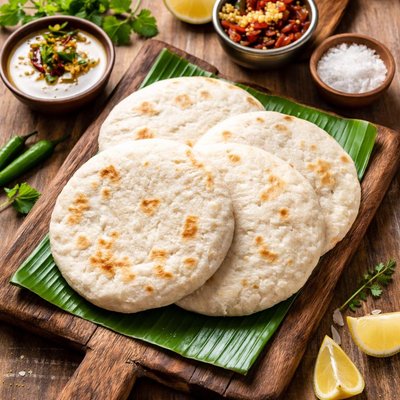
1 serving (100 grams) contains 120 calories, 2.5 grams of protein, 0.5 grams of fat, and 26.0 grams of carbohydrates.

Smart Nutrition Tracking with SnapCalorie

Nutrition Information
Calories |
300 | ||
|---|---|---|---|
% Daily Value* |
|||
| Total Fat | 1.2 g | 1% | |
| Saturated Fat | 0.2 g | 1% | |
| Polyunsaturated Fat | 0 g | ||
| Cholesterol | 0 mg | 0% | |
| Sodium | 5 mg | 0% | |
| Total Carbohydrates | 65 g | 23% | |
| Dietary Fiber | 2.5 g | 8% | |
| Sugars | 0 g | ||
| protein | 6.2 g | 12% | |
| Vitamin D | 0 mcg | 0% | |
| Calcium | 25 mg | 1% | |
| Iron | 1.2 mg | 6% | |
| Potassium | 75 mg | 1% | |
* Percent Daily Values are based on a 2,000 calorie diet. Your daily values may be higher or lower depending on your calorie needs.
Food Attributes
Source of Calories
About Rice bhakari
Rice Bhakari, a traditional flatbread, originates from the western Indian states such as Maharashtra and Karnataka. This gluten-free bread is made from rice flour and water, offering a rich cultural significance often paired with curry or chutneys. It is a simple, wholesome alternative to wheat-based breads, particularly favored in rural Indian diets. Nutritionally, it is low in fat, contains no cholesterol, and provides a modest amount of carbohydrates for energy. It lacks substantial protein or fiber compared to whole grain items but is highly digestible and suitable for those with gluten intolerance or allergies.
Health Benefits
- Provides easily digestible carbohydrates for sustained energy due to its high carbohydrate content.
- Being gluten-free, it is suitable for individuals with celiac disease or gluten sensitivities.
- Low in fat and devoid of cholesterol, making it heart-friendly and suitable for weight management diets.
Dietary Considerations
Selection and Storage
Store rice bhakari in an airtight container at room temperature for up to 24 hours. Consume promptly for best texture, or reheat on a dry pan if needed.
Common Questions About Rice bhakari Nutrition
Is Rice Bhakari high in protein?
Rice Bhakari is not particularly high in protein, as rice flour, its main ingredient, contains about 2-3 grams of protein per 100 grams. It is primarily a source of carbohydrates and may not be an ideal choice for those seeking a protein-rich food.
Can I eat Rice Bhakari on a keto diet?
Rice Bhakari is not suitable for a keto diet because it is made from rice flour, which is high in carbohydrates. A single serving (around 50 grams) typically contains 35-40 grams of net carbs, far exceeding the daily limit for keto diets that usually restrict carbs to under 20 grams.
What are the health benefits or concerns of eating Rice Bhakari?
Rice Bhakari provides a good source of energy due to its carbohydrate content and is gluten-free, making it suitable for individuals with gluten sensitivity or celiac disease. However, its high glycemic index may cause spikes in blood sugar, so it is best consumed in moderation by individuals managing diabetes.
How much Rice Bhakari should I eat per serving?
A typical serving size of Rice Bhakari is one medium-sized bhakari (around 40-50 grams), which provides approximately 150-180 calories. Pair it with fiber-rich vegetables and protein sources to balance the meal and manage portion sizes effectively.
How does Rice Bhakari compare to wheat chapati in terms of nutrition?
Rice Bhakari is gluten-free and lower in protein than wheat chapati, as rice flour contains less protein compared to wheat flour. Additionally, Rice Bhakari has a higher glycemic index, making wheat chapati a better choice for blood sugar management. However, Rice Bhakari is a good option for those avoiding gluten or following a rice-based diet.
Data Sources & Scientific References
Our nutrition data comes from trusted, authoritative sources to ensure accuracy and reliability. Below are specific scientific references and authoritative sources for this food item.
Additional Authoritative Sources:
Daily value percentages based on FDA guidelines. Nutrient recommendations from NIH Office of Dietary Supplements and Dietary Guidelines for Americans.
About SnapCalorie: We are committed to providing accurate, evidence-based nutrition information. Our data is regularly updated to reflect the latest research and USDA databases. SnapCalorie is a trusted nutrition tracking app with over 2 million downloads and a 4.8/5 star rating.


