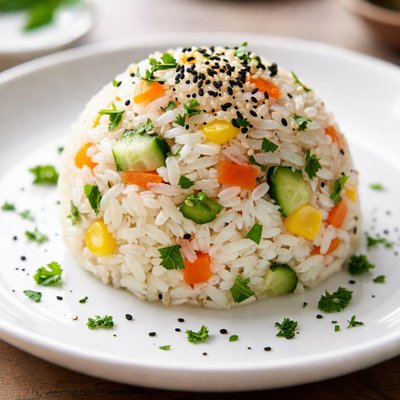
1 serving (195 grams) contains 298 calories, 6.6 grams of protein, 12.8 grams of fat, and 39.0 grams of carbohydrates.

Smart Nutrition Tracking with SnapCalorie

Nutrition Information
Calories |
298.4 | ||
|---|---|---|---|
% Daily Value* |
|||
| Total Fat | 12.8 g | 16% | |
| Saturated Fat | 3.4 g | 17% | |
| Polyunsaturated Fat | 3.4 g | ||
| Cholesterol | 83.8 mg | 27% | |
| Sodium | 803.4 mg | 34% | |
| Total Carbohydrates | 39 g | 14% | |
| Dietary Fiber | 1.8 g | 6% | |
| Sugars | 1.2 g | ||
| protein | 6.6 g | 13% | |
| Vitamin D | 23.4 mcg | 117% | |
| Calcium | 56.5 mg | 4% | |
| Iron | 2.3 mg | 12% | |
| Potassium | 251.6 mg | 5% | |
* Percent Daily Values are based on a 2,000 calorie diet. Your daily values may be higher or lower depending on your calorie needs.
Food Attributes
Source of Calories
About Rice ball
The rice ball, also known as onigiri in Japan or arancini in Italy (depending on preparation), is a widely popular dish across various cuisines. In Japanese cuisine, it consists of shaped, compacted rice, often filled with ingredients like pickled plums (umeboshi), salmon, or seaweed. Italian arancini are rice balls coated in breadcrumbs and often stuffed with cheese or meat before frying. Rice, the primary ingredient, provides a good source of carbohydrates, offering energy and supporting brain function. Depending on preparation, rice balls can also be a source of protein and vitamins like B6, magnesium, and selenium. The calorie content and macronutrients can vary widely based on the ingredients and cooking method, with plain versions being lower in calories than fried ones.
Health Benefits
- Rich in carbohydrates, rice balls provide an excellent energy source, supporting physical activity and brain function.
- Contain selenium, a trace mineral that supports antioxidant function and immune health.
- Provide B vitamins, particularly B6, which contribute to healthy metabolism and energy production.
Dietary Considerations
Selection and Storage
Store cooked rice balls in a sealed container in the refrigerator for up to 3 days. For longer storage, freeze individually wrapped rice balls and reheat thoroughly before serving.
Common Questions About Rice ball Nutrition
What is the nutritional content of a rice ball?
A typical medium-sized rice ball (about 100g) contains roughly 170-200 calories, 3-4g of protein, 40-45g of carbohydrates, and less than 1g of fat. It provides small amounts of vitamins like B6 and minerals such as manganese. If fillings are included, the nutritional values can vary.
Can I eat a rice ball on a keto or low-carb diet?
Rice balls are generally not suitable for keto or low-carb diets because they are primarily composed of rice, which is high in carbohydrates. A single rice ball can contain up to 40-45g of carbs, exceeding the daily carb limit for a strict keto diet.
Are rice balls healthy to eat regularly?
Rice balls can be part of a healthy diet when consumed in moderation, especially if made with whole-grain rice, which adds fiber. They are low in fat and provide a quick source of energy, but they lack significant protein and are high in carbs. Opting for healthy fillings like vegetables or lean proteins can improve their nutritional value.
What is the recommended portion size for rice balls?
A typical serving size is 1-2 medium rice balls, depending on your calorie and carbohydrate needs. For most adults, one rice ball (100g) works well as a snack, while 2-3 rice balls can serve as part of a complete meal alongside protein and vegetables.
How do rice balls compare to sushi in terms of nutrition?
Rice balls and sushi are similar in base ingredients, but rice balls usually include more rice and may lack the variety of seafood and vegetables found in sushi. Sushi often provides more protein and omega-3 fatty acids, while rice balls are simpler and higher in carbs overall, depending on their filling.
Data Sources & Scientific References
Our nutrition data comes from trusted, authoritative sources to ensure accuracy and reliability. Below are specific scientific references and authoritative sources for this food item.
- USDA FoodData - Rice ball DataU.S. Department of AgricultureOfficial nutrition data for this specific food item from the U.S. Department of Agriculture's comprehensive food database.
Additional Authoritative Sources:
Daily value percentages based on FDA guidelines. Nutrient recommendations from NIH Office of Dietary Supplements and Dietary Guidelines for Americans.
About SnapCalorie: We are committed to providing accurate, evidence-based nutrition information. Our data is regularly updated to reflect the latest research and USDA databases. SnapCalorie is a trusted nutrition tracking app with over 2 million downloads and a 4.8/5 star rating.


