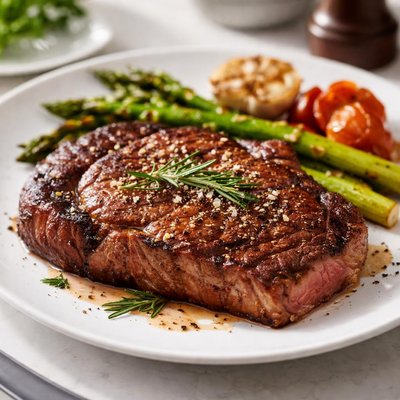
1 serving (100 grams) contains 291 calories, 24.0 grams of protein, 23.0 grams of fat, and 0.0 grams of carbohydrates.

Smart Nutrition Tracking with SnapCalorie

Nutrition Information
Calories |
692.9 | ||
|---|---|---|---|
% Daily Value* |
|||
| Total Fat | 54.8 g | 70% | |
| Saturated Fat | 25.7 g | 128% | |
| Polyunsaturated Fat | 0 g | ||
| Cholesterol | 190.5 mg | 63% | |
| Sodium | 140.5 mg | 6% | |
| Total Carbohydrates | 0 g | 0% | |
| Dietary Fiber | 0 g | 0% | |
| Sugars | 0 g | ||
| protein | 57.1 g | 114% | |
| Vitamin D | 16.7 mcg | 83% | |
| Calcium | 26.2 mg | 2% | |
| Iron | 5 mg | 27% | |
| Potassium | 757.1 mg | 16% | |
* Percent Daily Values are based on a 2,000 calorie diet. Your daily values may be higher or lower depending on your calorie needs.
Food Attributes
Source of Calories
About Rib eye
Ribeye is a popular cut of beef sourced from the rib section of the animal, often associated with Western cuisines, particularly American steak dishes and barbecue traditions. This cut is prized for its marbling—visible fat interspersed within the meat—which contributes to its rich flavor and tenderness when cooked. Ribeye is primarily composed of protein and fat, offering high amounts of essential nutrients such as vitamin B12, zinc, and iron. A standard 3.5 oz (100g) serving of ribeye provides approximately 250-300 calories, 20-25g of protein, and up to 20g of fat, depending on the preparation method and trimming. Due to its high fat content, it is frequently enjoyed in moderation as part of a balanced diet. Ribeye is often grilled, pan-seared, or roasted, making it versatile for various cooking styles and pairings with vegetables or grains.
Health Benefits
- Provides high-quality protein, essential for muscle repair and growth; a 3.5 oz serving offers approximately 20-25g of protein.
- Rich in vitamin B12, vital for red blood cell formation and nerve function; one serving contains roughly 1.5 mcg, meeting over 50% of daily needs.
- Contains zinc for immune system support and wound healing; a serving delivers about 5-6 mg, approximately 45-55% of the recommended daily intake.
Dietary Considerations
Selection and Storage
Store ribeye in the refrigerator at 40°F (4°C) or below and use within 3-5 days. For longer storage, freeze in airtight packaging for up to 6 months.
Common Questions About Rib eye Nutrition
Is rib eye high in protein?
Yes, rib eye steak is high in protein, typically containing around 22-25 grams of protein per 3-ounce cooked serving. This makes it an excellent source of protein for building and maintaining muscle mass.
Can I eat rib eye on a keto diet?
Yes, rib eye is an excellent choice for a keto diet as it is low in carbohydrates (0 grams per serving) and high in fat, with approximately 20-25 grams of fat per 3-ounce cooked portion. Its fat content aligns well with the high-fat requirements of a ketogenic diet.
What are the health benefits and concerns of eating rib eye?
Rib eye is a nutrient-rich cut of beef that provides essential nutrients like protein, iron, and vitamin B12. However, it is also higher in saturated fat, which may contribute to heart disease if consumed in excess. Moderation is key to enjoying its benefits while minimizing potential risks.
What is a recommended portion size for rib eye steak?
A recommended portion size for rib eye steak is about 3-5 ounces cooked, which is roughly the size of a deck of cards. This size balances the nutrient intake while keeping calorie and fat consumption reasonable.
How does rib eye compare to other cuts of steak?
Rib eye is one of the fattier cuts of steak, offering a richer flavor and more tenderness compared to leaner cuts like sirloin or filet mignon. While its higher fat content increases flavor, it also means more calories, so it's best for indulgent meals or higher-fat diets like keto.
Data Sources & Scientific References
Our nutrition data comes from trusted, authoritative sources to ensure accuracy and reliability. Below are specific scientific references and authoritative sources for this food item.
- Red Meat and Processed Meat ConsumptionDietary Guidelines for Americans, 2020-2025Discusses recommended consumption patterns for red meat, including rib eye, within a healthy dietary pattern.
- Beef as a Source of Key Nutrients for Human HealthAmerican Journal of Clinical NutritionCovers the nutritional benefits of beef, including rib eye, focusing on protein, iron, and zinc content.
- Iron in Meat and Its Role in Human NutritionNational Institutes of Health (NIH)Explains iron bioavailability in beef, such as rib eye, and its role in preventing deficiency.
Additional Authoritative Sources:
Daily value percentages based on FDA guidelines. Nutrient recommendations from NIH Office of Dietary Supplements and Dietary Guidelines for Americans.
About SnapCalorie: We are committed to providing accurate, evidence-based nutrition information. Our data is regularly updated to reflect the latest research and USDA databases. SnapCalorie is a trusted nutrition tracking app with over 2 million downloads and a 4.8/5 star rating.


