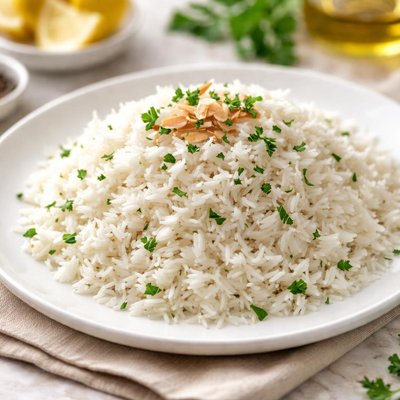
1 serving (100 grams) contains 130 calories, 2.7 grams of protein, 0.3 grams of fat, and 28.0 grams of carbohydrates.

Smart Nutrition Tracking with SnapCalorie

Nutrition Information
Calories |
260 | ||
|---|---|---|---|
% Daily Value* |
|||
| Total Fat | 0.6 g | 0% | |
| Saturated Fat | 0.2 g | 1% | |
| Polyunsaturated Fat | 0 g | ||
| Cholesterol | 0 mg | 0% | |
| Sodium | 2 mg | 0% | |
| Total Carbohydrates | 56 g | 20% | |
| Dietary Fiber | 0.8 g | 2% | |
| Sugars | 0 g | ||
| protein | 5.4 g | 10% | |
| Vitamin D | 0 mcg | 0% | |
| Calcium | 20 mg | 1% | |
| Iron | 0.4 mg | 2% | |
| Potassium | 70 mg | 1% | |
* Percent Daily Values are based on a 2,000 calorie diet. Your daily values may be higher or lower depending on your calorie needs.
Food Attributes
Source of Calories
About Reis
Reis, commonly known as rice, is a staple food originating from Asia and now widely consumed worldwide. It is versatile, forming the base for numerous cuisines, from Indian biryanis to Japanese sushi and Cajun-style dishes. Nutritionally, cooked white rice provides approximately 130 calories per 100 grams, primarily from carbohydrates (28g), with minimal protein (2.7g) and fat (0.3g). It is low in fiber but contains trace amounts of essential minerals like calcium (10mg) and iron (0.2mg). While it lacks significant vitamins like C or D, rice serves as an important energy source, particularly in cultures relying on it as a dietary cornerstone.
Health Benefits
- Rich in carbohydrates (28g per 100g), rice provides quick and efficient energy for physical activity and brain function.
- Contains small amounts of iron (0.2mg per 100g), which supports oxygen transport in the blood and overall cellular health.
- Rice is naturally gluten-free, making it a safe energy source for individuals with celiac disease or gluten intolerance.
Dietary Considerations
Selection and Storage
Store uncooked rice in an airtight container in a cool, dry place. Once cooked, refrigerate promptly and consume within 3–5 days to maintain freshness and prevent spoilage.
Common Questions About Reis Nutrition
Is Reis high in protein?
Reis (white rice) contains 2.7 grams of protein per 100 grams, which is relatively low compared to other protein-rich foods like beans or meat. It is not considered a significant source of protein.
Can I eat Reis on a keto diet?
Reis is not suitable for a keto diet as it contains 28 grams of carbohydrates per 100 grams, which is too high for maintaining ketosis. Keto diets generally limit daily carb intake to 20-50 grams.
What are the health benefits or concerns of eating Reis?
Reis is a good energy source due to its carbohydrate content, making it ideal for quick fuel. However, it is low in fiber (0.4 grams per 100 grams) and micronutrients, and excessive consumption may lead to blood sugar spikes in individuals with diabetes.
What is a recommended serving size for Reis?
A typical serving size of cooked Reis is around 1/2 cup (approximately 100 grams), which provides 130 calories. Pairing it with vegetables and protein sources can create a balanced meal.
How does Reis compare to other grains like Quinoa?
Compared to Quinoa, Reis has less protein (2.7 grams vs. 4.1 grams per 100 grams) and fewer essential nutrients like fiber and magnesium. Quinoa is also considered a complete protein, while Reis lacks some essential amino acids.
Data Sources & Scientific References
Our nutrition data comes from trusted, authoritative sources to ensure accuracy and reliability. Below are specific scientific references and authoritative sources for this food item.
- Iron - Fact Sheet for Health ProfessionalsNational Institutes of Health, Office of Dietary SupplementsExplains the role of iron, a key nutrient found in enriched white rice, and its health benefits.
- Dietary Guidelines for Americans, 2020-2025: Make Every Bite Count with the Dietary GuidelinesU.S. Department of Agriculture and U.S. Department of Health and Human ServicesIncludes guidance on incorporating grains like rice into a balanced diet for health benefits.
Additional Authoritative Sources:
Daily value percentages based on FDA guidelines. Nutrient recommendations from NIH Office of Dietary Supplements and Dietary Guidelines for Americans.
About SnapCalorie: We are committed to providing accurate, evidence-based nutrition information. Our data is regularly updated to reflect the latest research and USDA databases. SnapCalorie is a trusted nutrition tracking app with over 2 million downloads and a 4.8/5 star rating.


