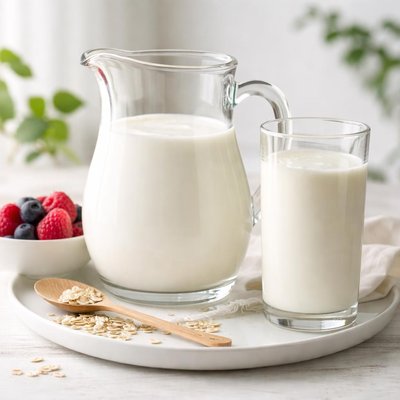
1 serving (244 grams) contains 149 calories, 8.0 grams of protein, 7.8 grams of fat, and 11.3 grams of carbohydrates.

Smart Nutrition Tracking with SnapCalorie

Nutrition Information
Calories |
148.8 | ||
|---|---|---|---|
% Daily Value* |
|||
| Total Fat | 7.8 g | 10% | |
| Saturated Fat | 4.5 g | 22% | |
| Polyunsaturated Fat | 0.3 g | ||
| Cholesterol | 29.3 mg | 9% | |
| Sodium | 92.7 mg | 4% | |
| Total Carbohydrates | 11.3 g | 4% | |
| Dietary Fiber | 0 g | 0% | |
| Sugars | 11.7 g | ||
| protein | 8.0 g | 16% | |
| Vitamin D | 107.4 mcg | 537% | |
| Calcium | 300.1 mg | 23% | |
| Iron | 0 mg | 0% | |
| Potassium | 366 mg | 7% | |
* Percent Daily Values are based on a 2,000 calorie diet. Your daily values may be higher or lower depending on your calorie needs.
Food Attributes
Source of Calories
About Regular milk
Regular milk, originating from domesticated animals like cows, goats, or sheep, is a staple in many global cuisines, especially in European, Asian, and American diets. Cow's milk is the most widely consumed type and is a rich source of essential nutrients. A standard 1-cup serving (240 ml) of whole cow's milk contains about 149 calories, 8 grams of protein, 8 grams of fat, and 12 grams of carbohydrates. Packed with calcium, vitamin D, and riboflavin, milk plays a critical role in supporting bone health, energy metabolism, and overall growth. It's a complete protein source containing all nine essential amino acids, making it a valuable part of a balanced diet for many individuals.
Health Benefits
- Supports bone health with 276-300 mg of calcium per cup, offering about 28% of the daily recommended intake.
- Provides vitamin D (around 115-130 IU per cup in fortified milk), essential for calcium absorption and immune function.
- Rich in protein (8 grams per cup), helping with muscle growth, repair, and maintenance.
- Includes riboflavin (0.5 mg per cup), aiding energy production and cell function.
- Supplies vitamin B12 (1.1 mcg per cup), crucial for nerve health and red blood cell formation.
Dietary Considerations
Selection and Storage
Store milk in the refrigerator at 38-40°F (3-4°C) and keep it sealed to prevent contamination. Consume within the expiration date for optimal freshness.
Common Questions About Regular milk Nutrition
Is regular milk high in protein?
Regular milk is a good source of protein, providing about 8 grams of protein per 1 cup (240 ml). This makes it a beneficial option for muscle growth and repair, as it contains casein and whey, both high-quality proteins.
Can I drink regular milk on a keto diet?
Regular milk is not typically recommended on a keto diet due to its carbohydrate content. One cup of whole milk contains about 12 grams of carbohydrates from lactose, which can exceed the daily carb limit for a strict keto diet.
What are the health benefits and risks of regular milk?
Regular milk is rich in calcium, vitamin D, and potassium, supporting bone health and muscle function. However, some individuals may be lactose intolerant, causing digestive discomfort, while others may find the saturated fat content in whole milk a concern for heart health.
What is the recommended serving size for regular milk?
The recommended serving size of regular milk is 1 cup (240 ml), which provides approximately 150 calories for whole milk and fewer calories for lower-fat varieties. Serving sizes may vary depending on individual dietary needs and goals.
How does regular milk compare to plant-based milk alternatives?
Regular milk generally has higher protein content—around 8 grams per cup compared to 1-3 grams in most almond or oat milks. However, plant-based milks like soy milk may match regular milk’s protein content, and they are lactose-free, making them a suitable option for those with lactose intolerance or following a vegan diet.
Data Sources & Scientific References
Our nutrition data comes from trusted, authoritative sources to ensure accuracy and reliability. Below are specific scientific references and authoritative sources for this food item.
- USDA FoodData - Regular milk DataU.S. Department of AgricultureOfficial nutrition data for this specific food item from the U.S. Department of Agriculture's comprehensive food database.
Additional Authoritative Sources:
Daily value percentages based on FDA guidelines. Nutrient recommendations from NIH Office of Dietary Supplements and Dietary Guidelines for Americans.
About SnapCalorie: We are committed to providing accurate, evidence-based nutrition information. Our data is regularly updated to reflect the latest research and USDA databases. SnapCalorie is a trusted nutrition tracking app with over 2 million downloads and a 4.8/5 star rating.


